Espoma Organic
  • Products
    • Close
    • Product Line Overview
    • Plant food finder
    • Garden Fertilizers
    • Potting Soils
    • Lawn Fertilizers
    • Liquid Fertilizers
    • Single Ingredients
    • Conventional Plant Foods
    • Animal Care Products
  • Where to Buy
  • Our Story
    • Close
    • Our Story
    • Locations
    • Historical Timeline
    • Our Commitment
    • Directions
    • Solar
    • Join our Team
    • Espoma Brand Partners
  • Learn
    • Close
    • Espoma Blog
    • FAQ’s
    • Pocket Guide
    • Espoma Guides
    • Garden Clubs
    • Safe Paws Lawn
    • PRODUCT FACT SHEETS
    • Fertilizer Fundamentals
      • Close
      • Understanding Plant Nutrition
      • Reading Labels
      • Choosing the Right Type of Fertilizer
      • Terms & Definitions
    • Gardening Projects
    • Resource Links
  • Contact Us
  • Menu Menu

Tag Archive for: Growing Joy with Plants podcast

How to Care for Ferns 🌿 | Growing Joy with Maria

December 22, 2025/in Blog, Growing Joy with Maria

Many plant lovers have killed Boston ferns and sworn off ferns as houseplants, but little do they know that the secret is adding the right ferns to your collection and not the wrong ones.

This blog is inspired by Episode 243 of Growing Joy with Plants Podcast, where Maria talks about fern care, varieties that grow indoors, and simple ways to keep them looking their best.

Why Ferns Are Worth Another Try

Ferns have been around for millions of years, and they date back to prehistoric times. For a plant to survive decade after decade, it needs to be resilient, so it has adapted to changing environments and climates.

In fact, there’s a funny meme where the top picture is a fern growing out of a crack in a rock on the sidewalk, completely neglected, and is thriving, and the bottom photo is a fern indoors, in a pot, completely brown and shriveled. 

How to Care for Your Ferns

Best Light for Ferns: A great thing about ferns is that they’re a low-light-tolerant plant. They grow on the floor and in the shade. This makes ferns the perfect houseplant because we only have so much valuable real estate in our window sills, and most of our homes tend to be low-light.

How to Water Ferns: Your ferns do not want to dry out. Evenly moist soil is what is going to make ferns happy and avoid those crispy brown edges. Use glazed ceramic, plastic pots, or self-watering planters to ensure evenly moist soil. To extend your soil moisture by a few days, add a layer of sphagnum moss on top of the soil to slow down evaporation.

Choosing the Right Potting Mix for Ferns:
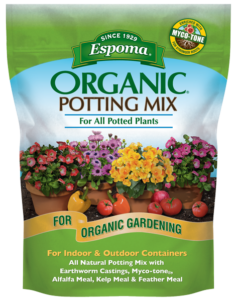
Soil plays a major role in fern success. Ferns need a potting mix that holds moisture while still allowing excess water to drain away. Starting with a high-quality mix like Espoma Organic Potting Mix helps maintain evenly moist soil and supports healthy root systems. Pairing the right soil with containers that have drainage holes makes watering more consistent and stress-free.

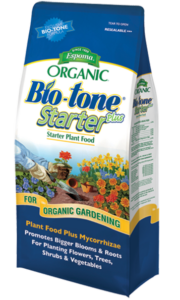
When planting or repotting ferns, mixing in Espoma Organic Bio-tone Starter Plus into the soil can help roots establish more quickly and reduce transplant stress, giving ferns a strong start in their new container.

Ferns need humidity: Any of the ferns that have super delicate, thin fronds (maidenhair ferns, heart leaf ferns, and some Boston ferns) are going to need high humidity (60% to 80%). ​​Put them in a terrarium or under a glass cloche, or keep them near a humidifier.

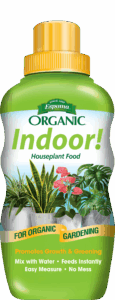
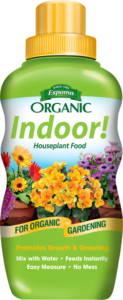
How to fertilize ferns: Ferns don’t need a ton of fertilizer, which makes Espoma Organic Indoor! Liquid Fertilizer the perfect liquid plant food for it. It’s super gentle and should be used when you see new growth on your plants.

Don’t be afraid to prune ferns: Ferns are like a pet that needs to be groomed occasionally. No matter how humid your home is, you’ll have fronds that turn brown, and you should feel free to remove them. 

Which Ferns Are Difficult to Grow?

Maidenhair ferns and Heart Leaf ferns are challenging to grow. They need so much humidity to grow and such evenly moist soil. They don’t leave a lot of room for error.

Which Ferns Are Best for Beginners?

Bird’s Nest Fern – The leaves are thicker, more succulent, more hearty. The leaves stick out horizontally and cover the soil, so it’s harder for the soil to dry out.

Rabbit’s Foot Fern – This is a super fun fern that has fuzzy rhizomes that grow on top of the soil that look like little rabbit’s feet.

Boston or Lemon Button Fern – This is one of the hardier ferns. It’s very resilient, so if it does get dried out and turns brown, just cut the entire top off, and it’ll just grow back.

Staghorn Fern – Because they’re “epiphytic” and grow on trees, they are a little bit more tolerant of drying out than other ferns. These are commonly mounted on wooden boards, but you can grow them in potting mix.

Troubleshooting Common Fern Problems

Browning on every frond – likely a humidity issue (or underwatering). 

Yellow leaves – usually a sign of overwatering. Make sure your pots have drainage holes, and the soil isn’t staying super wet.

Brown spots – could indicate low humidity or sensitivity to water minerals (use filtered water or distilled water). Fern spores also look like small brown spots, so they could be an indicator of a happy plant!

Balding (patchy, thinning appearance) – likely means the fern needs more light.

Are You Ready to Try Growing Ferns?

Moist soil and humidity are the name of the game. Keep ferns where you’ll see them every day. Use the right pots. Remember, these plants have survived for millions of years. They’re tougher than they look!

Recommended Espoma Organic Products for Fern Success

Choosing the right products can make fern care much easier. These Espoma Organic essentials support healthy roots, consistent moisture, and gentle feeding so your ferns can thrive indoors or out.

Espoma Organic Indoor! Liquid Fertilizer
A gentle liquid plant food ideal for houseplants like ferns. Use during active growth to provide nutrients without the risk of burning.

Espoma Organic Potting Mix
Designed to retain moisture while still draining well, this mix helps create the evenly moist soil conditions ferns need.

Espoma Organic Bio-tone Starter Plus
Best used when planting or repotting, this microbial-rich formula supports root development and helps reduce transplant stress.

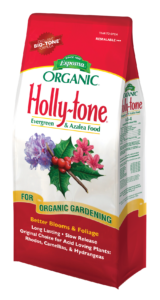
Espoma Organic Holly-tone (for Outdoor Ferns)
For in-ground or outdoor ferns that prefer slightly acidic soil, Holly-tone provides slow-release nutrition and supports long-term soil health when used according to label directions.

*****

Featured Products:
Espoma Organic Holly-toneEspoma Organic Bio-tone Starter Plus Bag Image Espoma Organic Potting Mix Espoma Organic Indoor! liquid fertilizer


Where to Buy


https://www.espoma.com/wp-content/uploads/2025/12/ahmed-xHSzP8XlHkk-unsplash.jpg 960 640 Matt Dauphinais https://www.espoma.com/wp-content/uploads/2023/05/espoma-logo340w-1.png Matt Dauphinais2025-12-22 15:41:322025-12-22 15:41:35How to Care for Ferns 🌿 | Growing Joy with Maria

10 Time-Saving Tactics for a More Efficient Garden | Growing Joy with Maria

September 11, 2025/in Blog, Gardening, Growing Joy with Maria

Has your garden started to feel like a tedious task on your never-ending to-do list? Here are 10 ways to avoid garden burnout by making gardening more efficient and simple, so you can enjoy it without feeling weighed down.

This blog is inspired by Episode 266 of the Growing Joy with Plants Podcast, where Maria chats with CaliKim, YouTube gardening educator and author of The 10 Minute Gardener. Together, they share time-saving hacks to help you enjoy gardening again—without the stress.

Start Small, Stay Consistent

One of Kim’s foundational philosophies is to break down large tasks into smaller, manageable ones (3-, 5-, 8-, 10-, or 30-minute jobs), which is the basis of her book. The 10 Minute Gardener also organizes these by season (early, mid, late, dormant), so you can adapt them no matter where you garden.

Practical Time-Saving Tactics You Can Try Today

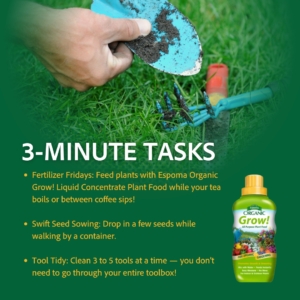
3 minute tasks

3-Minute Gardening Tasks

  • Fertilizer Fridays – Every Friday, while your tea kettle is boiling or you’re sipping coffee, take 3 minutes to fertilize your plants with an organic liquid fertilizer like Espoma Organic Indoor! Houseplant Food. You can also water them or pick off brown leaves.

  • Swift Growth Seed Sowing – Keep a small basket of seeds handy by your back door or in your pocket. During a quick break, pop a few pea seeds along a trellis or lettuce seeds into a container to keep succession planting going.

  • Three-Minute Tool Tidy – Clean and oil a few garden tools, like pruners, that may be getting rusty or sticky.

5-Minute Gardening Tasks

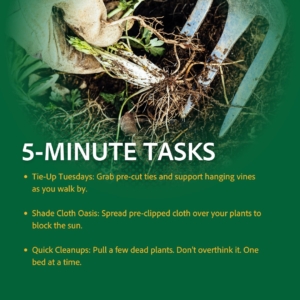
  • Tie-Up Tuesday (and Thursday!) – Dedicate a few minutes twice a week to trellis plants like cucumbers. Keep tie tape or twine in your pocket so you can do this quickly while walking through the garden.

  • Shade Cloth Oasis – Pre-clip shade cloth to trellises so you can dash out and cover plants when the sun is blazing.

  • End-of-Season Cleanups – Pull out dead plants and toss them into nearby trash bins or pop-up bins to keep your garden tidy.

8 & 10-minute tasks

8- & 10-Minute Gardening Tasks

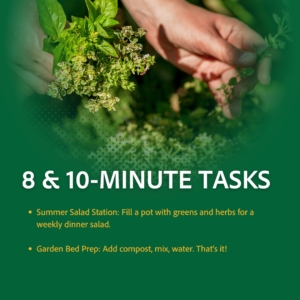
  • Summer Salad Station – Plant a container with salad greens, a tomato or cucumber, and herbs for a quick, ready-to-harvest dinner garden.

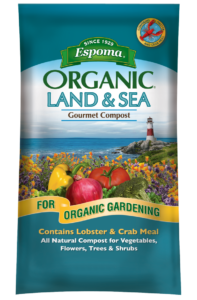
  • Hustle & Bustle Garden Bed Prep – In spring, refresh your garden beds with soil amendments like Espoma Organic Land & Sea Gourmet Compost and worm castings.

30 min tasks

30-Minute Gardening Tasks

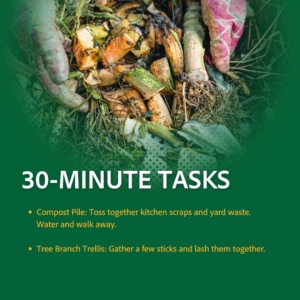
  • Compost Pile Refresh – Toss together kitchen scraps and yard waste to build your compost pile. Give it a splash of water, then walk away and let nature do the work.

  • Tree Branch Trellis – Gather a few sturdy sticks and lash them together to create a simple, rustic trellis for climbing plants.

Be Consistent and Keep Things Within Reach

The key is to keep everything handy and accessible. You don’t need complicated strategies to make gardening easier. Keep a basket of seeds by the door, stash pruners in multiple spots, and have tie tape at the ready. Making tools and supplies accessible ensures you stay consistent and efficient.

Listen to the Growing Joy with Plants Podcast

For more time-saving tips, listen to Episode 266 of the Growing Joy with Plants Podcast!

Featured Products:
Espoma Organic Land and Sea Espoma Organic Indoor! liquid fertilizer


Where to Buy

https://www.espoma.com/wp-content/uploads/2025/09/Time-Saving-1.jpg 1080 1080 Matt Dauphinais https://www.espoma.com/wp-content/uploads/2023/05/espoma-logo340w-1.png Matt Dauphinais2025-09-11 16:15:582025-09-11 16:15:5810 Time-Saving Tactics for a More Efficient Garden | Growing Joy with Maria

Bird Friendly Gardening 🕊️🌸 | Growing Joy with Maria

August 13, 2025/in Blog, Flowers, Fruits & Vegetables, Growing Joy with Maria

Bird-Friendly Gardening with Jen McGuinness, Ep 239

Do you love watching hummingbirds, chickadees, or sparrows right outside your window? One of the key benefits of having a garden is the wildlife that comes to visit your beautiful blooms. Our friend Maria Failla of Growing Joy with Maria gardens specifically for her local birds, because they bring her so much joy, and this blog shares everything she’s learned about bird-friendly gardening.

This blog is inspired by Episode 239 of the Growing Joy with Plants Podcast, where Maria sits down with Jen McGuinness, author of Bird-Friendly Gardening, about how we can make our outdoor spaces safe and welcoming for birds.

Why Should We Help Birds in Our Gardens?

Birds can help pollinate plants and eat harmful insects, which can help keep our garden healthy. But they need our help. Since 1970, about 3 billion birds have disappeared in North America because of habitat loss, pollution, and climate change.

But there’s a way you can make a difference right in your backyard.

What Makes a Garden Bird-Friendly?

A lot of people are probably thinking that bird feeders are enough when they want to help birds, but a bird-friendly garden means using your whole garden to support them by offering them food, water, and shelter.

A bird-friendly garden includes:

  • Native plants that supply seeds, berries, or attract insects (Hummingbirds especially love nectar from flowers)
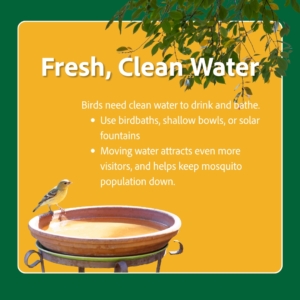
  • Fresh water sources for drinking and cleaning themselves (and if you have a budget, you can add a solar fountain or mister to your birdbath
  • Safe shelter from predators and bad weather
  • Places to build nests, like trees, grasses, or birdhouses (thick bushes, trees, and tall native grasses are great)

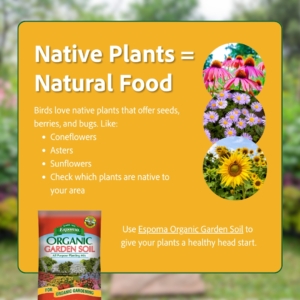
Native plants = natural food for birds in the garden

Add Native Plants to Your Garden

Select native plants when building a bird-friendly garden. You can check your USDA growing zone or use the Audubon Native Plant Finder by simply typing in your zip code to get local recommendations. Garden center employees are also a huge resource that you can ask questions to.

Here are some bird-friendly flowers:

  • Coneflowers and asters
  • Sunflowers
  • Blueberry bushes and crab apple trees
  • Oak trees (they attract insects that the birds eat)
  • Native grasses like Big Bluestem

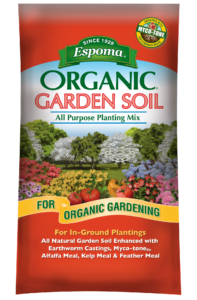
Using a nutrient-rich soil like Espoma Organic Garden Soil helps these plants grow strong and healthy, which then supports more birds and insects.

add fresh clean water to your bird friendly garden

It’s important to maintain your bird feeders

Make sure to keep your bird feeders clean to stop the spread of diseases like House Finch Eye Disease. Utilize squirrel guards to keep them from stealing from your feathered friends. Different feeders attract different types of birds, so ideally, have a seed feeder and a hummingbird feeder to ensure all your local birds are well fed. 

Note: Maria and Jen love monitoring birds using electronic bird feeders with cameras in them, which use AI to identify the birds that come to visit.

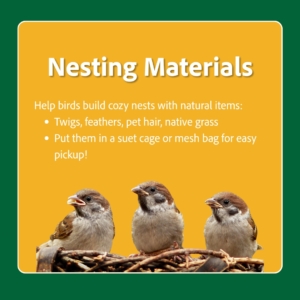
add nesting materials for birds in your garden

Don’t forget nesting areas

To help birds build nests, try leaving out:

  • Twigs
  • Pet hair (like chicken feathers or alpaca furs)
  • Feathers
  • Native grasses

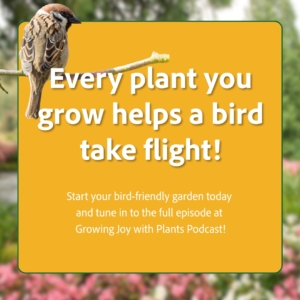
start your bird friendly garden today

Start Small

You don’t need a huge property to create a bird-friendly garden. If you have a small space, you can plant native flowers in containers or hanging baskets. A beautiful hanging basket of fuchsia will keep your hummingbirds happy all summer long!

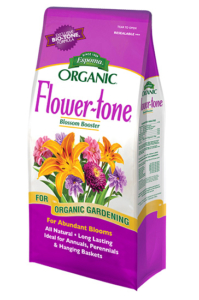
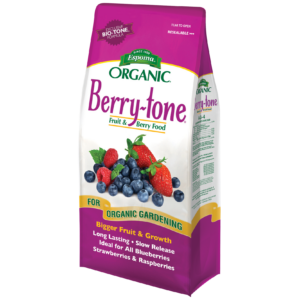
To keep your plants blooming and productive, feed them during the growing season with a gentle organic fertilizer like Espoma Flower-tone or Berry-tone, depending on what you’re growing.

Birds Bring Joy

Watching birds fly, sing, and raise their babies reminds us that our gardens are part of a whole ecosystem where every creature matters. And when we help birds, we help the Earth. Bird care is ecosystem care.

*****

Learn more about Growing Joy with Maria:

🪴🌿 Website

🪴🌿 Facebook

🪴🌿 Instagram

🪴🌿 YouTube

Featured Products:
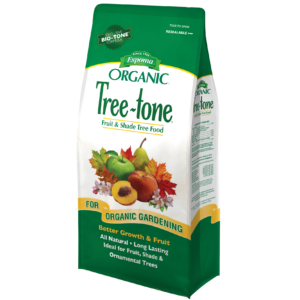
Espoma Organic Flower-tone bag Espoma Organic Berry-tone.Espoma Organic Tree-toneEspoma Organic Bio-tone Starter Plus Bag ImageEspoma Organic All-Purpose Garden Soil image


Where to Buy

https://www.espoma.com/wp-content/uploads/2025/08/Bird-friendly-1.jpg 1080 1080 Matt Dauphinais https://www.espoma.com/wp-content/uploads/2023/05/espoma-logo340w-1.png Matt Dauphinais2025-08-13 15:53:262025-08-13 15:55:45Bird Friendly Gardening 🕊️🌸 | Growing Joy with Maria

How to Care for Alocasia | Growing Joy with Maria

August 5, 2025/in Blog, Growing Joy with Maria, Indoor Gardening

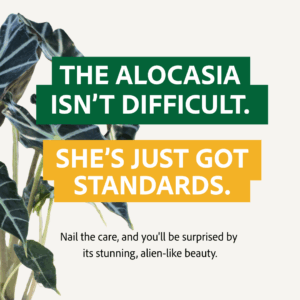
Do you think it’s difficult to care for Alocasia? They are so easy to fall in love with because of their alien-like leaves and colors, but many plant parents feel confused when they suddenly drop leaves or look unhappy. This is particularly true if you’re not a Mindful Plant Parent (find your Plant Parent Personality Here). But the answer is no. Alocasia isn’t a difficult plant; it’s just particular. 

This blog is inspired by Episode 219 of the Growing Joy with Plants podcast with Maria Failla. After years of trial and error, she finally cracked the code on keeping Alocasia alive indoors, and now you can too.

Why So Many People Struggle with Alocasia

Alocasia isn’t “difficult.” It just has high standards. They are native to Southeast Asian rainforests, so they are used to high humidity, indirect light, and evenly moist soil. So most modern homes are not exactly a match. But if you can recreate that environment indoors, your Alocasia will gift you with its stunning leaves that you see all over Pinterest and social media..

How to Care for Alocasia

1) What light do Alocasia need?

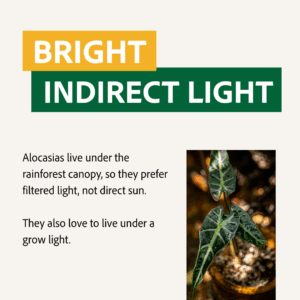
Alocasia like bright indirect light

Bright, Indirect Light

This means “filtered sunlight,” not direct rays. Alocasias prefer to be a few feet from a sunny window or under a grow light. If it’s only holding onto 2 to 3 leaves, that’s a sign it’s starving for more light.

2) How often should I water an Alocasia?

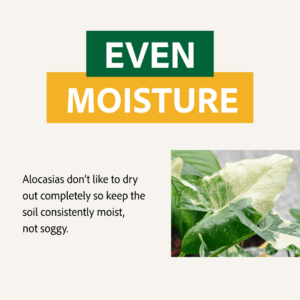
Alocasia like even moisture

Keep the soil evenly moist at all times.

Alocasia like even moisture, so make sure you’re using quality organic soil like Espoma Organic Potting Mix. Let only the top inch dry out before watering. It stores water in little tuber-like roots that look like mini potatoes, so don’t be alarmed when you see them while repotting!

3) What type of humidity does my Alocasia need?

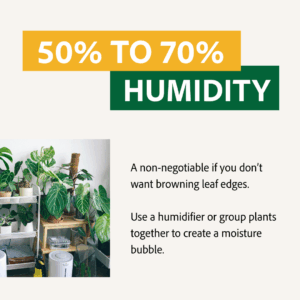
Alocasia like 50% to 70% humidity

High Humidity is Everything

Crispy tips? Curling leaves? That’s low-humidity talking. Alocasia loves 50%–70% humidity, which is achievable with a humidifier, a grouped plant setup, or a closed terrarium. Note that misting is not enough and can even cause fungal issues.

4) When do I fertilize my Alocasia? 

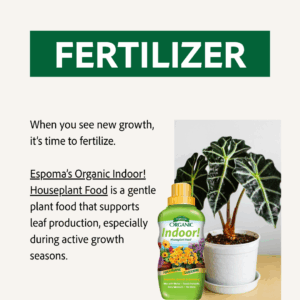
Fertilizer with Espoma Organic Indoor! liquid plant food

Fertilize When It’s Growing

Whenever new leaves appear, it’s time to feed. You can feed them using Espoma Organic Indoor! liquid plant food for greener leaves! Simply dump a capful into your watering can. Many Alocasia under grow lights continue growing through winter, so adjust your fertilizer routine to match the plant and not the calendar.

5) Do Alocasia go dormant? 

Not exactly….In winter, Alocasia may drop a few leaves. This is a natural rest period (also known as quiescence) and not a full dormancy. So don’t freak out if you see a few yellow or dropped leaves come wintertime. It’s natural.

Troubleshooting Common Alocasia Problems


1) Why does my Alocasia have yellowing leaves? 

Yellow leaves on Alocasia are likely due to overwatering. Trim the leaf and let the soil dry slightly before watering again.

2) Why is my Alocasia drooping or wilting?

Drooping or wilting is likely due to underwatering, overwatering, or low humidity.

3) Why can’t my Alocasia grow more than 3 leaves at a time?

It likely needs more light to support a larger leaf system..

4) Why are the edges of my Alocaisa leaf crispy and brown? 

This is usually due to dry air and humidity.

Favorite Alocasia Varieties to Try

If you’re ready to bring one home, here are the top picks for you:

  • Alocasia Ninja – almost black leaves with bold stripes.
  • Alocasia Cuprea (Red Secret) – copper-toned leaves with deep purple backs.
  • Alocasia Dragon Scale – pale green leaves with deep veining!
  • Alocasia Polly (African Mask) –  small, classic that you’ll see in so many garden centers.
  • Alocasia Lola – taller than Polly
  • Alocasia Watsoniana (White Vein) – Glossy leaves with striking white veins.
  • Alocasia Stingray – wild, tail-shaped leaves that really do look like a stingray.

The Alocasia isn't difficult to grow, give it a try! (graphic)

Give Alocasia a Try

The Alocasia is a diva… in the best way. It isn’t impossible to care for, but it just wants what it wants. Give it good light, humidity, and care, and it will grow and give you stunning leaves and be the envy of all your plant friends! Think of it as a little green alien that just needs the right home environment to feel at peace.

Listen to episode 209 of the Growing Joy with Maria Podcast

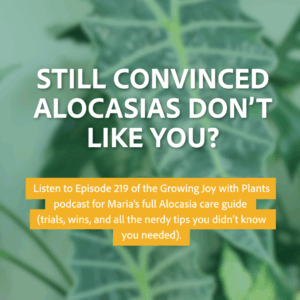
To learn more about Alocasia care, listen to Episode 219 of the Growing Joy with Plants podcast, all about Alocasia, with Maria Failla.

Learn more about Growing Joy with Maria:

🪴🌿 Website

🪴🌿 Facebook

🪴🌿 Instagram

🪴🌿 YouTube


Featured Products:
Espoma Organic Indoor! liquid fertilizer Espoma Organic Potting Mix


Where to Buy

https://www.espoma.com/wp-content/uploads/2025/08/Alocasia-1.png 1080 1080 Matt Dauphinais https://www.espoma.com/wp-content/uploads/2023/05/espoma-logo340w-1.png Matt Dauphinais2025-08-05 13:05:412025-08-05 13:05:41How to Care for Alocasia | Growing Joy with Maria
Where to Buy

Get News & Updates

Recent Posts

  • VIDEO: A Formal Garden Tour with Summer Rayne Oakes
  • VIDEO: Repotting in the Greenhouse with Garden Answer
  • VIDEO: How to Winterize Your Chicken Coop with Summer Rayne Oakes
  • VIDEO: Planting Spring Bulbs in Containers 🪴🌷 with Summer Rayne Oakes
  • VIDEO: Planting the Last Bulbs of the Season with Garden Answer

Tags

All-Purpose Potting Mix bio-tone Bio-tone Starter Bio-tone Starter Plus Cactus Mix caring for houseplants Container Gardening DIY project Espoma espoma grown espoma organic Espoma Organics Espoma Video fall gardening Family fert flower garden flowers garden Garden Answer Gardening gardening tips gardens grow holly-tone houseplants Indoor! indoor gardening indoor plants Kaleb Wyse organic organic fertilizer Organic Gardening organic plant food Organic Potting Mix Outdoor Gardening Planting plants Potting Mix potting soil Spring Gardening summer rayne oakes vegetable garden Vegetable Gardening Wyse Guide

Espoma. A Family Tradition Since 1929.

Espoma Organic logo
  • Espoma Dealer
  • Espoma Pro
  • Garden Club
  • Privacy Policy

Scroll to top