Espoma Organic
  • Products
    • Close
    • Product Line Overview
    • Plant food finder
    • Garden Fertilizers
    • Potting Soils
    • Lawn Fertilizers
    • Liquid Fertilizers
    • Single Ingredients
    • Conventional Plant Foods
    • Animal Care Products
  • Where to Buy
  • Our Story
    • Close
    • Our Story
    • Locations
    • Historical Timeline
    • Our Commitment
    • Directions
    • Solar
    • Join our Team
    • Espoma Brand Partners
  • Learn
    • Close
    • Espoma Blog
    • FAQ’s
    • Pocket Guide
    • Espoma Guides
    • Garden Clubs
    • Safe Paws Lawn
    • PRODUCT FACT SHEETS
    • Fertilizer Fundamentals
      • Close
      • Understanding Plant Nutrition
      • Reading Labels
      • Choosing the Right Type of Fertilizer
      • Terms & Definitions
    • Gardening Projects
    • Resource Links
  • Contact Us
  • Menu Menu

Tag Archive for: Garden-tone

Don’t Stop Believing – Your Garden Reinvented!

July 25, 2017/in Vegetable Gardening

So you just finished harvesting all of your crops, you have tomatoes in every drawer in your kitchen and your garden is cut back. What now?

With enough time left before the first frost, you can still get another crop in the ground.

Whether you are a planner or a fly by the seat of your pants kind of gardener, succession planting is something to try.

What is Succession Planting?

Succession planting is a way of planting that maximizes your harvest. You plant one vegetable right as another finishes. There are a few ways to do this:

  1. Harvest Crop – Using the same plot for another set of vegetables after harvest. When a crop is finished, plant another, with a shorter maturity date, in its place. Leafy greens, followed by potatoes, are a great example of harvesting and replanting.
  2. Companion Crop – Plant two or more crops with varying maturity dates around each other. After the first crop is harvested, your garden will continue flourishing. Radishes next to cucumbers are great companions. Radishes will be harvested before the cucumbers start to produce too much shade.
  3. Staggered Crop – Plant the same crop every few weeks in order to not be bombarded by the entire crop at once. Tomatoes and peas are crops you’d want in small batches through the whole season.
  4. Same Crop – Plant the same crop with different maturity dates. Seed packets will display the days to maturity on the packets. Broccoli is an example crop with various maturity dates.

Now you know what succession planting is, here are a few steps to send you in the right direction.

5 Tips for Succession Planting

  1. Plan Accordingly – Growing based on maturity can be a little tricky if you aren’t planning for your region. Make sure to check the seed packet or plant tag to find out how long the plant will take to mature and what temperature it will grow best in. Make sure you have enough seeds to keep you going through the season.
  2. Plant Transplants – Speed up the growing process by starting seeds This will allow you to harvest and quickly plant to keep your garden at optimum level all the way up to those winter months. Or, purchase plants as seedlings from your local garden center.
  3. Feed Regularly – Add Espoma’s Garden Tone to the soil between plantings to keep the soil rich and crops thriving.
  4. Don’t Hesitate – As you see plants starting to reduce or cease harvest, don’t hesitate to pull them to make room for a new crop.
  5. Rotate Crops – Try not to plant the same vegetable in the same spot year after year. This causes the soil to lose essential nutrients and increases the likelihood for diseases to develop. Rotate crops every three years.

Succession planting can ensure your garden is in working production all season long. Learn what veggies it’s not too late to plant.

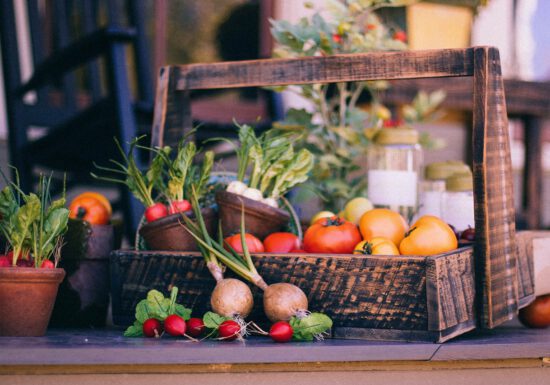
https://www.espoma.com/wp-content/uploads/2017/07/root-vegetables.jpg 2337 3500 espoma https://www.espoma.com/wp-content/uploads/2023/05/espoma-logo340w-1.png espoma2017-07-25 12:30:172019-05-07 10:01:37Don’t Stop Believing – Your Garden Reinvented!

5 Ways to Give Your Summer Garden a Boost

July 13, 2017/in Summer Gardening

There’s no better way to enjoy your garden than by encouraging it to grow bigger and better. Before your summer veggies and flowers peak, take your garden to the next-level by refueling it.

Knock-out these 5 essential tasks and your garden will thank you. You’ll extend your summer season and ensure that your lawn and garden are in tip-top shape.


5 Ways to Give Your Summer Garden a Boost

1. Hydrate. When it’s hot, dry and muggy, the best thing is a nice cold drink. Your plants need some H2O, too. The trick to keeping your garden hydrated during the hottest days is not to water more. It’s to water smarter. Water plants deeply in the morning so they have the entire day to soak it up.

Image courtesy of Garden Answer

2. Keep plants fed. Your summer veggies and flowers are hungry. Feed hanging baskets, container gardens and annuals with liquid Bloom! plant food every 2 to 4 weeks. Vegetables such as tomatoes and peppers are heavy feeders. Continue to feed every 2 weeks with organic fertilizers Tomato-tone or Garden-tone.

3. Prune and deadhead. Extend the life of perennials by deadheading flowers as soon as they are spent. This will encourage plants to keep blooming as long as weather permits. Your roses will thank you. Prune tomato suckers and shrubs now, for fuller plants later.

4. Mow lawns strategically. When mowing, keep the mower blades high (3” or higher) to encourage healthy roots. Cut grass in the evening to give it time to recover and keep yourself cool.

5. Plant more! There are many quickly maturing plants that will thrive in summer gardens and be ready for harvest in the fall. Try planting radishes, cucumbers, beans and more.

Sit back and relax! Take a good look at your hard work and dream about the rewards and bountiful harvests you’ll enjoy in the months to come.

If you’re looking to get a better tomato harvest this summer, be sure to check out our complete tomato guide!

*****

Featured Products:


Where to Buy

https://www.espoma.com/wp-content/uploads/2017/07/June-1A.jpg 444 1200 espoma https://www.espoma.com/wp-content/uploads/2023/05/espoma-logo340w-1.png espoma2017-07-13 17:24:472024-07-23 15:37:025 Ways to Give Your Summer Garden a Boost

5 Summer Edibles it’s not Too Late to Plant

June 27, 2017/in Vegetable Gardening

It’s never too late to start an edible garden. Different fruits and vegetables thrive in all types of conditions, so you’re bound to find the perfect fit for your garden, regardless of the season.

In fact, some summer favorites can be planted now for a delicious late summer or early fall harvest. Make sure to use Espoma’s Organic Garden-tone when growing veggies this summer.

Consider these options for late June – early July planting.

Beets

These little red veggies thrive in conditions with warm days and cooler nights, making them perfect for areas with a mild summer climate. They can also adapt to grow in cool weather, making your harvest last through the fall and winter. Beets prefer full sun when possible, but still produce leafy greens in the shade.

Aside from being delicious, beets also have a ton of nutritional benefits. With loads of vitamins A and C, iron, potassium, and calcium, beets can help protect you from heart cancer.

Cucumbers

Nothing says summer flavor like a delicious, crisp cucumber. Cucumbers serve as a perfect addition to any summer salad or cocktail, or they can stand on their own as a yummy snack. Cucumbers thrive in warm weather and that hot summer heat will give you delicious sprawling cucumbers in as little as 50 days.

Harvest cucumbers before they get too big to encourage continued growth.

Peas

Sweet, crisp and crunchy – what else could you want from a summer vegetable? Sugar snap peas need at least six hours of full sun every day and thrive in sunny spots. As sugar snap peas grow up, support them with a trellis or stake. They will be ready to harvest within 60-90 days of planting, which will give you a delicious late summer – early fall treat.


Zucchini is definitely a fan favorite when it comes to summer squash. This fast-growing vegetable will be ready to harvest within 45-55 days after sowing seeds. Zucchini tastes best when it measures around 4-6 inches. If it grows much bigger, the flavor will become bitter.

Be sure to give your zucchini plants plenty of room to grow as they often produce lots of vegetables very quickly.

Melons

If you live in a climate where the hot summer heat lasts well into the fall, try planting watermelons in your vegetable garden. Watermelons are extremely pest and disease resistant, making them perfect for an organic garden. Watermelons typically need 80-100 days of hot, humid weather to develop their delicious sweet taste, so only plant if you live in the right climate.

For those in climates a bit milder, try planting honeydew or cantaloupe. These melons prefer warm weather but don’t require the same amount of heat as watermelons.

*****

When Planting we recommend using  Espoma Organic Bio-tone Starter Plus to help produce large root systems very quickly. This will help ensure that new plantings get maximum water and nutrients from the soil to minimize transplant loss.


Featured Products:


Where to Buy


https://www.espoma.com/wp-content/uploads/2017/05/Beets.jpg 976 1280 espoma https://www.espoma.com/wp-content/uploads/2023/05/espoma-logo340w-1.png espoma2017-06-27 17:15:412023-06-27 13:22:235 Summer Edibles it’s not Too Late to Plant

Grow These Veggies on Your Patio

May 4, 2017/in Spring Gardening

As urban gardening continues to trend, container gardens are popping up everywhere! Container gardens are perfect small-space solutions. Not only do they provide added appeal to your space, they also give you delicious food right at your fingertips. If you have limited space, or simply just want to add another element to your existing crop, grow these container plants on your patio this summer.

Espoma soil acidifier, Holly-tone, growing blueberries, BrazelBerries Jelly Bean

Photo courtesy of Bushel and Berry.

  1. Blueberries – These sweet summer fruits grow great in containers. Because blueberries are so small, you can get a big harvest with very little space. Blueberries love acidic soil, so check the pH level of your soil and add Espoma’s Holly-tone if necessary. Check out more on growing blueberries here.
  2. Tomatoes – With tons of varieties, there is a tomato for everyone. Some of our favorites to grow in containers include smaller varieties like grape or cherry tomatoes. These are easy to pick right off the vine and are perfect for gardening with kids. Learn more about growing tomatoes in our ultimate tomato-growing guide.
  3. Peppers – Like tomatoes, peppers come in many different shapes and sizes. Whether you’re looking to add some spice to your garden with jalapenos, or prefer milder bell peppers, these colorful veggies are a vibrant summer sight. Peppers love lots of direct sun, so plant these containers in a bright area.
  4. Zucchini – One of our favorite summer veggies, zucchini are a bit larger than tomatoes and peppers and need more room. Grow in a container with at least a five gallon capacity with proper drainage. Use Espoma’s Garden-tone to get the most out of your zucchini plants. Like peppers, zucchini will thrive with 6-8 hours of sunlight, so plant in a sunny spot.
  5. Herbs – Because herbs are small, they are the perfect fit for any container garden. Kitchen staples such as rosemary, basil and mint are great additions to any dish, or even a refreshing summer drink. Grow herbs in Espoma’s Organic Potting Mix in containers inside or out.

If you have limited space, don’t let that discourage you! With the right containers and a little bit of planning, you can have a delicious summer harvest in no time.

Check out this video on container plants and tell us what plants you’ll be growing in containers this season in the comments.

https://www.espoma.com/wp-content/uploads/2016/05/BRAZELBERRIES-pink-icing-medallion-pot-horiz-LAB-c2014-5.jpg 765 1024 espoma https://www.espoma.com/wp-content/uploads/2023/05/espoma-logo340w-1.png espoma2017-05-04 08:00:012022-04-12 09:12:42Grow These Veggies on Your Patio

May Gardening Checklist: 5 Essential To-Dos for a Thriving Garden

May 2, 2017/in Blog, Spring Gardening

May is one of the busiest and most exciting months in the garden. Flowers are blooming, veggies are sprouting, and summer crops are ready to go in. But to keep your garden thriving naturally, it’s important to use the right organic products to nurture your soil, plants, and harvest.

Here’s your Espoma-approved May checklist to prep your garden for a healthy, productive summer season.

Garden Clean up

1: Tidy Up Your Garden Space

Start fresh by clearing out weeds, dead plants, and old debris — this keeps pests and diseases in check and opens up space for new growth. As you tidy up, top off your beds with Espoma Organic Land & Sea Gourmet Compost to enrich the soil with nutrients and improve texture.

Once your garden is clean, you can apply a layer of mulch to help conserve moisture and regulate soil temperature. This simple prep sets the stage for everything that comes next.

spring crops

2: Harvest Early Spring Crops

Your cool-weather crops like lettuce, spinach, radishes, and peas are likely ready to harvest. After picking, don’t leave that soil depleted! Replenish it by working in Espoma Organic Garden-tone or Plant-tone to restore nutrients before planting your summer vegetables.

For container gardens, refresh the mix with Espoma Organic Raised Bed Mix or Potting Mix so your new plants have a rich, organic base to grow in. Healthy soil = healthy crops.

People planning a project

3: Plan Your Garden Layout Thoughtfully

Before you rush to plant, take a little time to sketch out your garden plan. Group plants with similar needs together, and research what varieties perform best in your area. If you’re unsure, visit a local garden center and look for recommendations — and while you’re there, pick up organic fertilizers suited for what you’re planting (like Espoma Organic Tomato-tone for tomatoes, Berry-tone for berries, or Rose-tone for roses).

Planning ahead ensures you can match the right organic products to the right plants, maximizing growth and minimizing problems down the line.

planting with organic fertilizer

4: Get Planting — and Feed Organically

Once your area is frost-free, it’s time to plant! Whether you’re planting veggies, flowers, or herbs, give them the best start by enriching the planting hole with Espoma Organic Bio-tone Starter Plus. This starter fertilizer contains mycorrhizae, which help plants establish strong root systems and reduce transplant shock.

As the season goes on, continue feeding regularly with Espoma Organic Tone Fertilizers, depending on what you’re growing. These slow-release, organic fertilizers keep plants nourished naturally, without the risk of burning or chemical buildup.

planting

5: Transfer Indoor Seedlings Outdoors Carefully

If you started seeds indoors, harden them off gradually before moving them outside. Once ready, plant them in your garden or containers and mix Espoma Organic Bio-tone Starter Plus into the soil. This ensures young plants have access to the nutrients and beneficial microbes they need to get established and grow strong healthy roots.

For containers, fill pots with Espoma Organic Potting Mix, which provides excellent drainage and moisture retention while feeding plants with organic ingredients. Don’t forget to water thoroughly after transplanting to help roots settle in.

family in vegetable garden

🌸 Bonus Tip: Keep Feeding and Caring All Season Long

Throughout the summer, keep an eye on your plants. Feed every month or as needed with the appropriate Espoma Organic fertilizer for each plant type. Water deeply at the base, mulch to retain moisture, and enjoy the lush, organic garden you’ve worked so hard to create.

With the right products and a little care, you’ll be harvesting beautiful, homegrown food and flowers all summer long — the organic way!

Featured Products:

Espoma Organic Potting soil Mix Big bagEspoma Organic Land and SeaEspoma Raised Bed Mix bag  Espoma Organic Tomato-toneEspoma Organic Rose-tone bagEspoma Organic Plant-tone organic fertilizer

Where to Buy

https://www.espoma.com/wp-content/uploads/2018/05/Curb-appeal-hosta-black-eyed-susan.jpg 850 1280 espoma https://www.espoma.com/wp-content/uploads/2023/05/espoma-logo340w-1.png espoma2017-05-02 08:00:312025-05-06 14:10:27May Gardening Checklist: 5 Essential To-Dos for a Thriving Garden

6 Heirloom Plants We Love

March 23, 2017/in Vegetable Gardening

Contrary to popular belief, tomatoes are not the only heirlooms out there. Heirlooms are plants that are grown from seeds that have been passed down through the generations for at least the past 50 years. They must also be open-pollinated, which means they’re pollinated by insects or wind without human intervention.

Your organic vegetable garden wouldn’t be complete without some heirlooms. So grab your shovel and get ready to plant.

Here are six heirlooms we love!

1. Armenian cucumber

This cucumber is also known as yard-long cucumbers or snake melon, because of the cantaloupe-like scent that’s released when sliced. It yields large amounts and turns yellow when ripe. They’re also great for slicing and pickling!

2. Black Diamond Watermelon

It has a blackish green rind that covers its bright red flesh. The seeds are black and can grow to be pretty big. This watermelon is drought resistant and prolific, which means that it produces a lot of “offspring.”

3. Clemson Spineless Green Okra

This plant yields large amounts of pods that should be harvested when they reach three inches long. It will keep growing until the weather cools down during the fall, so it’s possible for them to grow up to 6 feet or taller in warmer areas. It is also a traditional favorite for soups and stews.

4. Early Jersey Wakefield Cabbage

This cabbage is dark green and has a smooth, sweet flavor. It usually harvests pretty early, but is slow to split and bolt. After it matures, it’s best to keep it in the garden for another two to three weeks. It is also really rich in vitamins and minerals.

5. Rutabaga

This plant is grown in the cooler seasons and is desired for its root, the Swedish turnip. It is essentially a natural cross between a cabbage and a turnip, but its yellowish root and smooth leaves differentiate it from an actual turnip.

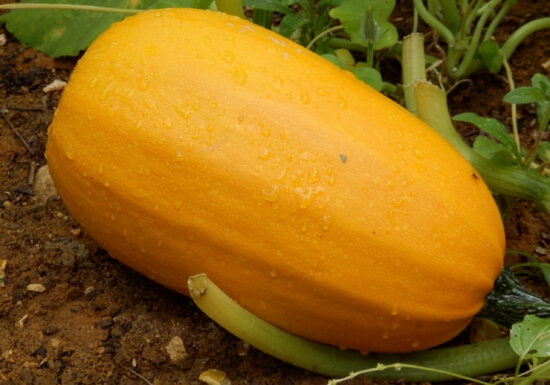
6. Spaghetti Squash

The squash starts off as white and eventually changes colors to a pale yellow once it matures. It can yield up to four or 5 plants and they will last several weeks after harvesting. This plants it known for its double as a healthy substitute to pasta.

Once your vegetable garden gets growing, don’t forget to feed with an organic fertilizer such as Garden-tone.

https://www.espoma.com/wp-content/uploads/2017/03/Spaghetti-squash.jpg 3456 4608 espoma https://www.espoma.com/wp-content/uploads/2023/05/espoma-logo340w-1.png espoma2017-03-23 15:30:062019-05-07 10:03:176 Heirloom Plants We Love

Grab Your Books for a Lesson in Gardening 101

September 6, 2016/in Blog, Fall Gardening

Back to Gardening School: A Fresh Start for Your Garden

Remember the excitement of a new school year? Fresh notebooks, a backpack ready for adventure, and the feeling that anything was possible. That same sense of renewal is waiting in the garden this season.

Whether you’re just starting out or brushing up on your skills, it’s the perfect time to get back to the basics. Sharpen those tools (and pencils) and let’s head to Gardening School.

Farmer Nick dumping Espoma Raised bed Mix into a raised garden bed

1. Build a Strong Foundation

Every successful garden begins with healthy soil. Start with a quick soil test to understand what nutrients your garden may be missing, then build from there. For raised beds, fill them with a rich blend of natural ingredients—like those in Espoma Organic Raised Bed Mix—to create the perfect growing environment. Adding an organic compost such as Espoma Organic Land & Sea Gourmet Compost further improves soil structure, boosts moisture retention, and encourages healthy microbial activity. For container plantings, Espoma Organic All-Purpose Potting Mix provides the ideal balance of drainage and organic matter to keep roots thriving. And whenever new plants go in the ground, a starter fertilizer like Espoma Organic Bio-tone Starter Plus helps them establish quickly by supporting strong, resilient root growth. With the right foundation beneath the surface, the garden above will flourish.

old garden tools

2. Check Your Supplies

Just like gathering fresh notebooks and sharpened pencils, gardeners should review their tools. Replace cracked handles, rusty clippers, or wobbly rakes so nothing slows you down during the season. A little care and preparation now saves frustration later and makes gardening smoother and more enjoyable.

Farmer Nick planting a flowering plant

3. Redefine Your Garden’s Style

A new season is the perfect time to refresh the look of the garden. Whether the goal is calm and classic or bold and colorful, the right nutrition helps plants live up to their potential. Espoma Organic Plant-tone provides complete, balanced nutrition for a wide variety of plants, while Espoma Organic Holly-tone supports acid-loving favorites such as azaleas, rhododendrons, and hydrangeas. Feeding properly is the simplest way to bring a dream garden style to life.

little girl holding a carrot

4. Learn From Last Season

Every garden has its victories and its challenges. Take time to reflect on what thrived and what struggled, then plan for improvement. Espoma Organic Garden-tone is specially formulated for vegetables, helping ensure bigger, tastier harvests season after season. When planting new crops or ornamentals, Espoma Organic Bio-tone Starter Plus gives roots the boost they need to grow stronger and more resilient than before. Each new season builds on last year’s lessons with the right nutrition.

indoor plants

5. Don’t Forget Your Indoor Plants

While outdoor gardens take the spotlight, houseplants need care too. Feeding them regularly keeps leaves lush, colors vibrant, and growth steady all year long. Espoma’s Indoor! organic liquid fertilizer makes it easy to give houseplants the nutrition they need with every watering. When repotting, Espoma Organic Potting Mix provides the perfect organic base to keep indoor plants healthy and happy. A thriving indoor garden completes the picture of a gardener’s success.

Farmer Nick holding a shovel

6. Sharpen and Shine

Tools are the unsung heroes of every garden. Taking time to clean, sharpen, and maintain them ensures they last longer and work more effectively. Well-maintained tools make every gardening task easier, allowing more energy to be devoted to growing beautiful, thriving plants.

7. Grow Your Community

Gardening is even better when knowledge is shared. One of the most valuable tips to pass along is to start every planting with a quality organic starter fertilizer like Espoma Organic Bio-tone Starter Plus to set roots up for success, and then feed with Espoma Organic Plant-tone throughout the season to keep growth steady and strong. These trusted essentials have been used by generations of gardeners, and passing them along helps the whole community grow stronger together.

Graduation Time!

Congratulations—you’ve completed your Back-to-Gardening School crash course! Toss those gardening gloves in the air, because the lessons learned here will lead to healthier plants, bigger harvests, and gardens worth celebrating.

At Espoma, teaching organic gardening practices has been a passion since 1929. With products that are safe for people, pets, and the planet, Espoma is here as a mentor and partner on every gardener’s journey. Class dismissed—now go grow with confidence!

Farmer Nick & PlantKids Course 

Looking for a fun way to introduce kids to gardening? Check out our brand partner Farmer Nick’s course, The Adventures of Farmer Nick and Plant! Designed for children ages 4 and up, this 10-episode series inspires a love of gardening and plant science through hands-on lessons. Sometimes silly, always fun, it’s a playful way to spark curiosity and delight both kids and adults alike.

*****

Featured Products:

Espoma Organic Bio-tone Starter Plus Bag Image Espoma Organic Holly-tone Organic Fertilizer for all acid loving plantsEspoma Organic Plant-tone organic fertilizerEspoma Organic Garden-tone Espoma Organic Potting soil Mix Big bag Espoma Raised Bed Mix bag Espoma Organic Land and Sea Espoma Organic Indoor! liquid plant food - Organic fertilizer


Where to Buy


https://www.espoma.com/wp-content/uploads/2016/09/9V2A7296.jpg 1280 853 espoma https://www.espoma.com/wp-content/uploads/2023/05/espoma-logo340w-1.png espoma2016-09-06 12:00:482025-09-12 17:16:48Grab Your Books for a Lesson in Gardening 101

Fall is for Planting: Cool-Season Veggies

August 29, 2016/in Fall Gardening

There is nothing better than the taste of fresh picked produce, except maybe when its fall, and you expected your garden to be put to bed by now!

Even though leaves are starting to change, your organic veggie garden has plenty of time left to produce. Help your fall garden thrive with these four tips from Behnke’s Garden Center.

rucola-791380_1920

Fall is For Planting: Four Tips for Growing a Cool-Season Organic Veggie Garden

  1. Start planting. Now is the time to plant fall veggie seedlings. Fast growing, frost-tolerant plants such as broccoli, cabbage, kale, cauliflower, beets carrots, lettuce, spinach and herbs will keep growing even as the temperature drops.
  2. Fertilize. For a bigger harvest, feed veggies monthly with an organic fertilizer. Your soil has been hard at work all summer and is in need of nutrients. Keep your garden growing with a healthy feeding.

broccoli-494754_1920

  1. Harvest soon. Once your crops start ripening, go out and pick every day. Here’s when to harvest your organic veggies:
  • Lettuce and spinach: Cut outer leaves when young and tender.
  • Kale: Pick when the leaves are as big as your hand.
  • Carrots: Pick when the top of the carrot is 1” wide.
  • Broccoli: Cut broccoli when its head is 4-7” wide.
  • Cauliflower: Cut when its head is 2-3” wide.
  1. Don’t forget to Cover. If frost arrives sooner than expected have a plan to protect your crops from the cold. Water your bed and then cover with a sheet, blanket or tarp. Keep the cover from touching plants with stakes and use bricks to hold it in place. Remove cover when temperatures warm again.

What are you growing in your fall garden? Let us know in the comments!

Behnke Nurseries garden center in Beltsville, MD has provided plants, ceramic pots, and gardening supplies to gardeners since 1930.  Behnke’s offers a very wide selection of perennials, annuals, shrubs, trees and houseplants, and the experienced staff will advise you on the best options for your garden. The Holiday Shop provides a charming Christmas experience and carefully chosen accents for year ’round, while the selection of bonsai by Ducky Hong is unsurpassed.  Behnke’s welcomes gardeners of all levels of expertise: come and learn at their frequent free lectures.

https://www.espoma.com/wp-content/uploads/2016/08/carrot-551661_1920.jpg 1276 1920 espoma https://www.espoma.com/wp-content/uploads/2023/05/espoma-logo340w-1.png espoma2016-08-29 15:29:192019-05-07 10:05:35Fall is for Planting: Cool-Season Veggies

7 Things To-Do in your Garden this July

July 6, 2016/in Blog, Gardening

Lazy days of summer? Think again! July can be a busy month in the garden.

While watering and deadheading may seem like tedious tasks, harvesting and enjoying the bounty are the reward for months of hard work.

Here are seven things to do in the garden this month.

summer gardening tips, garden checklist, summer garden

1. Follow the Watering Rule

Follow the primary rule of summer watering to ensure garden plants get the right amount of water. Water thoroughly and deeply in the morning by making pools in the soil around the roots. Deep watering allows roots to grow deeper and stronger, making them less likely to dry up and die.

When you water will depend on your weather. Check dryness by touching the soil. It should be moist at least 1” below the surface.

Water containers and hanging baskets daily until water runs from the drainage holes.

2. Pick, Eat, and Replant

You can finally enjoy the fruits of your labor!

Harvest tomatoes, peppers, peas, carrots, cauliflower, beans, broccoli, leeks, onions, eggplants, cucumbers, squash, Brussels sprouts, kale, lettuce, melons, parsnips, potatoes, radishes, pumpkins, and rutabagas.

Harvest tree and vine fruits when they are able to be gently plucked or twisted from their stems. Berries, apples, and stone fruits should all be ready for picking in July.

Pick, dry, and freeze herbs for use later in the year.

Sow seeds of cool-season crops such as greens and root vegetables for harvesting throughout August and September. Plant garlic for harvest next season.

Prune tomato suckers weekly and cut off any leaves growing below the lowest ripening fruit trusses to improve air circulation and prevent diseases. Thin fruit trees for a more robust harvest.

3. Plants Need to Eat, too

Continue to feed hanging baskets, container gardens, and faded annuals with Espoma Organic Bloom! liquid fertilizer every 2 to 4 weeks.

Vegetables such as tomatoes and peppers are heavy feeders. Continue to feed every 2 weeks with organic fertilizers Tomato-tone, Plant-tone, or Garden-tone.

Feed roses monthly through the summer with Rose-tone.

Houseplants are actively growing now and will benefit from monthly feedings of Espoma Organic Grow! liquid plant food.

summer gardening tips, garden checklist, summer garden

4. Continue to Create a Safe Paws Lawn

Using organic lawn food, as well as organic mulch will eliminate the hazards that chemical fertilizers, pesticides, and synthetic mulches present to you, your family, and your pets. July is the time to feed your lawn with the summer revitalizer from our annual feeding program.

Water the lawn regularly, slowly, and deeply. Mow to 3″ to protect from the summer heat.

5. Keep an Eye out for Pests

Watch for insect or disease damage as the weather gets hotter and plants become more stressed.

Beetles, aphids, slugs, snails, and spider mites are just a few of the pests that visit your garden in summer.

Keep an eye out for powdery mildew. Remove any affected leaves to prevent further spread.

Health plants will be more able to fend off pests and diseases.

6. Weed, weed, weed

Clear weeds regularly, as they fight your plants for nutrients and water. Plus, you’ll want to pull them before they have a chance to flower and go to seed. Otherwise, you’ll fight even more weeds next season.

Cover freshly weeded beds with a layer of Espoma Organic Land & Sea Compost or mulch to conserve water and blanket weeds reducing their spreading.

summer gardening tips, garden checklist, summer garden

7. Prune and Deadhead

Prune summer flowering shrubs as soon as the blossoms fade. Deadhead annuals to promote more growth. Pinch fall-blooming flowers such as coneflower and asters in mid-July to promote a fall garden full of color.

Try to hold off on planting anything new until the fall as the hot temperatures and dry conditions can strain young roots. And you’ll benefit because most stores offer major end-of-season sales. If you do plant or transplant, make sure to fill the hole with Bio-tone starter plus and keep well-watered.

Enjoy! Take time to slow down and enjoy your garden with friends and family. We sure will be!


Where to Buy

https://www.espoma.com/wp-content/uploads/2016/07/yellow-flower-839744_1920.jpg 1080 1920 espoma https://www.espoma.com/wp-content/uploads/2023/05/espoma-logo340w-1.png espoma2016-07-06 15:10:032024-10-01 17:33:367 Things To-Do in your Garden this July

Score More from Your Organic Fall Garden Crops

October 6, 2015/in Fall Gardening

Organic gardening in the fall always feels like such a treat. Even though the leaves may be changing, your veggie garden is still going strong! While the seasons are transitioning, you’re making the most of every moment — going to football games, bundling up in cozy sweaters, and munching on homegrown produce.

Help your organic garden to produce more veggies than ever this fall with these four tips.

1. Feed to Succeed. Feed your veggies once a month for a bigger, bountiful harvest. This is especially important if you had other crops planted in the same spot earlier. Those crops depleted the garden soil of its nutrients. Luckily, an organic plant fertilizer replenishes the nutrients to keep your produce growing strong.

Step-by-step instructions on adding an organic plant fertilizer here!

2. Pick of the Pack. The more you pick, the more produce you get! Once your crops start ripening, go out and pick every day.

Here’s when to harvest your organic veggies:

  • Lettuce and spinach: Cut outer leaves when young and tender.
  • Kale: Pick when the leaves are as big as your hand.
  • Carrots: Pick when the top of the carrot is 1”
  • Broccoli: Cut broccoli when its head is 4-7”
  • Cauliflower: Cut when its head is between 2-3”

3. A Fresh Feast. Plan your weekly dinners around what’s in harvest in the garden. This is the last hurrah for homegrown meals from the garden, so make the most of it. Of course, save some for winter,

4. Discover the Cover. If the chance of frost arrives earlier than expected, protect your crops. Water and then cover with a sheet, blanket or tarp. Use stakes to keep the cover from touching the plants.

Crunch! How amazing is it that you’re still harvesting veggies from your organic garden in autumn?!

https://www.espoma.com/wp-content/uploads/2015/10/veggies-646107_640.jpg 326 640 espoma https://www.espoma.com/wp-content/uploads/2023/05/espoma-logo340w-1.png espoma2015-10-06 10:13:212019-05-07 10:08:08Score More from Your Organic Fall Garden Crops
Page 4 of 512345
Where to Buy

Get News & Updates

Recent Posts

  • Simple Fall Plantings 🪴🌻🍁 with Garden Answer
  • Video: How to Manage a Wild Garden with Summer Rayne Oakes 🌿🌸
  • VIDEO: Planting Beautiful New Plants and Feeding the Lawn Organically 🌸🚜🌱 with Garden Answer
  • VIDEO: Hydrangea Care Tips 🌿🌸 with Summer Rayne Oakes
  • VIDEO: Planting Boxwoods & Hydrangeas with Garden Answer

Tags

All-Purpose Potting Mix bio-tone Bio-tone Starter Bio-tone Starter Plus Cactus Mix caring for houseplants Container Gardening DIY project Espoma espoma grown espoma organic Espoma Organics Espoma Video fall gardening Family fert flower garden flowers garden Garden Answer Gardening gardening tips gardens grow holly-tone houseplants Indoor! indoor gardening indoor plants Kaleb Wyse organic organic fertilizer Organic Gardening organic plant food Organic Potting Mix Outdoor Gardening Planting plants Potting Mix potting soil Spring Gardening summer rayne oakes vegetable garden Vegetable Gardening Wyse Guide

Espoma. A Family Tradition Since 1929.

Espoma Organic logo
  • Espoma Dealer
  • Espoma Pro
  • Garden Club
  • Privacy Policy

Scroll to top