Espoma Organic
  • Products
    • Close
    • Product Line Overview
    • Plant food finder
    • Garden Fertilizers
    • Potting Soils
    • Lawn Fertilizers
    • Liquid Fertilizers
    • Single Ingredients
    • Conventional Plant Foods
    • Animal Care Products
  • Where to Buy
  • Our Story
    • Close
    • Our Story
    • Locations
    • Historical Timeline
    • Our Commitment
    • Directions
    • Solar
    • Join our Team
    • Espoma Brand Partners
  • Learn
    • Close
    • Espoma Blog
    • FAQ’s
    • Pocket Guide
    • Espoma Guides
    • Garden Clubs
    • Safe Paws Lawn
    • PRODUCT FACT SHEETS
    • Fertilizer Fundamentals
      • Close
      • Understanding Plant Nutrition
      • Reading Labels
      • Choosing the Right Type of Fertilizer
      • Terms & Definitions
    • Gardening Projects
    • Resource Links
  • Contact Us
  • Menu Menu

No Way Blue Jay! Keep Birds from Eating Berries

June 7, 2016/in Fruits & Vegetables


Sun-kissed, slightly tart blueberries. Sweet, juicy raspberries. Scrumptious strawberries as sweet as candy. Sugary, tart blackberries.

Who can resist such delightful, fresh flavors right from the garden?

Certainly not local birds! Crows, blackbirds, robins, jays and more swoop in and eat your berries right from under you!

If you’re growing blueberries (or any berries!), you want to make sure you get to enjoy them, not the birds. Here are our tips for protecting your berries from those hungry birds — while still being kind.
Espoma soil acidifier, Holly-tone, growing blueberries

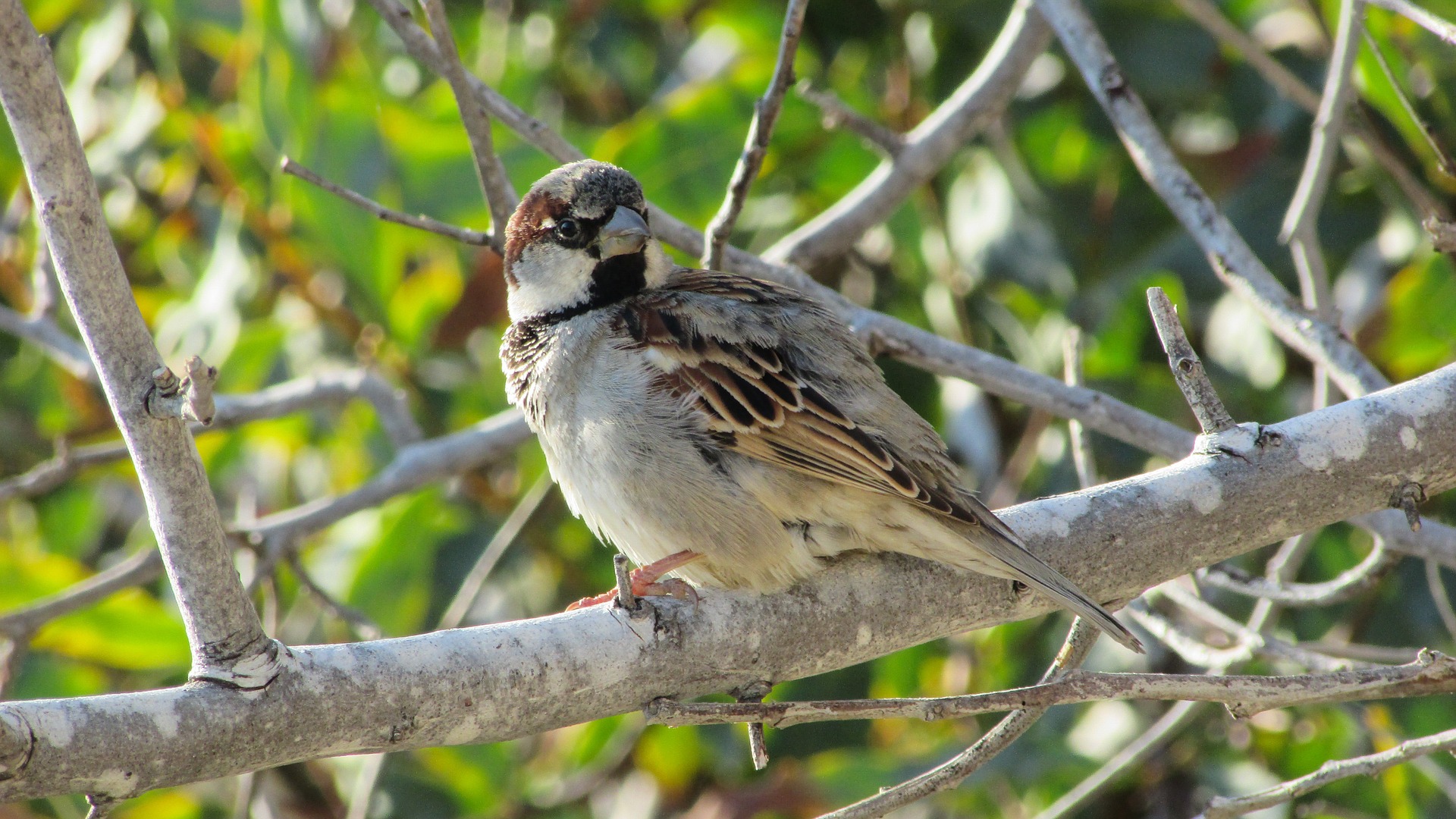
If you’re growing blueberries, make sure you get to enjoy them, not this sparrow. Here are our tips for protecting your berries from those hungry birds — while still being kind.

Take Back the Patch — How to Protect Fruit from Birds, Naturally and Organically

1. Location, Location, Location. Plant or move berries away from hedges and larger shrubs since birds like to rest there.

2. Take Cover! When your berries are immature, add a row cover or bird netting. Make sure the netting is secure, so the birds can’t undo it. This is, hands down, the best way to protect berries.

3. A Sprinkle of Sparkle. Tie a shiny bird scare tape, or foil tape, around your berry bushes or plants to deter birds. Birds don’t like the movement or the tape’s bright reflection.

4. A Dash of Pepper. Sprinkle cayenne pepper around your berry plants as they begin to ripen. This method is super easy, but makes it hard to enjoy eating berries as you pick! You have to wash off the berries before eating to remove any remaining pepper.

5. Snack Attack! Install a few bird feeders to encourage birds to eat there — and not your berry bushes!

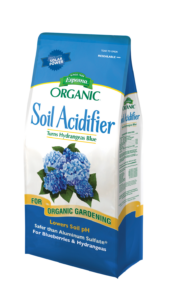
Victory! Now, make sure your blueberries continue to thrive by feeding with Holly-tone. Keep the soil acidic, too, with Espoma’s Organic Soil Acidifier.

See the Total Berry Guide Here


https://www.espoma.com/wp-content/uploads/2016/06/sparrow-1265598_1920.jpg 1079 1920 espoma https://www.espoma.com/wp-content/uploads/2023/05/espoma-logo340w-1.png espoma2016-06-07 10:58:062022-04-12 14:40:41No Way Blue Jay! Keep Birds from Eating Berries

3 Ways to Support Tomatoes

June 2, 2016/in Fruits & Vegetables

Soon your tiny tomato plants will transform into gigantic bushes. Help them grow by giving them some extra support.

Tomato plants often bend, lean or even break as fruit matures. To help your plant from being damaged, get to know the tomato you’re planting. Indeterminate plants will continue to grow and will benefit from some support, while determinate tomatoes may be just fine on their own.

Use tomato cages, wood or metal stakes, or a trellis to give plants extra support. It’s really a matter of preference which one you choose. The most important thing is that you’re keeping plants off the ground to avoid pests, diseases and rot.

Put supports in your garden before or at the same time you plant tomatoes. Tomatoes will be easier to maintain, prune and harvest.

Stake

Choose 6’ to 8’ tall stakes made of wood, plastic or bamboo. Or, create your own from recycled materials.

  1. Pound stake firmly into the ground, about 12” deep, beside tomato plant.
  2. Tie stalk loosely to the stake using twine as soon as flowers appear. Stakes will bear the weight of plants as they grow, preventing branches from tipping and breaking.
  3. Continue tying plants to stakes as they grow.
  4. Water tomatoes regularly and fertilize with Tomato-tone every two weeks.

Cage

Cages can be purchased at your local garden center and they’re easy to remove at the end of the season and store for next year’s use. Choose metal, wooden or plastic tomato cages. Metal cages often hold up better and last longer, but are prone to rust.

  1. Choose 6’ cages for indeterminate and heirloom varieties.
  2. Plant tomatoes and center the cage over the center of the plant.
  3. Depending on the full grown size of your tomatoes, set cages about 4’ apart.
  4. Push the tomato cage legs into the dirt until the bottom rung is even with the base of the tomato plant.
  5. Water tomatoes regularly and fertilize with Tomato-tone every two weeks.

Trellis

Trellising your tomatoes offers them support and is a great way to maximize small spaces. They keep tomatoes off the ground and allow for easy pruning.

  1. Push two 6’ poles or wooden posts into the ground, about 10’ apart. Poles should not wobble.
  2. Tie wire or twine between posts, adding lines across the top, bottom and middle.
  3. Plant tomatoes along the length of trellis.
  4. Water tomatoes regularly and fertilize with Tomato-tone every two weeks.
  5. As plant grows, train stems by attaching stems to the trellis using twist ties, wires or twine.
See our guide to growing tomatoes here


Where to Buy


https://www.espoma.com/wp-content/uploads/2016/06/Tomato-Trellis.jpg 1424 2144 espoma https://www.espoma.com/wp-content/uploads/2023/05/espoma-logo340w-1.png espoma2016-06-02 08:00:332022-04-12 09:42:183 Ways to Support Tomatoes

The Secret to Strawberry Success

May 19, 2016/in Fruits & Vegetables

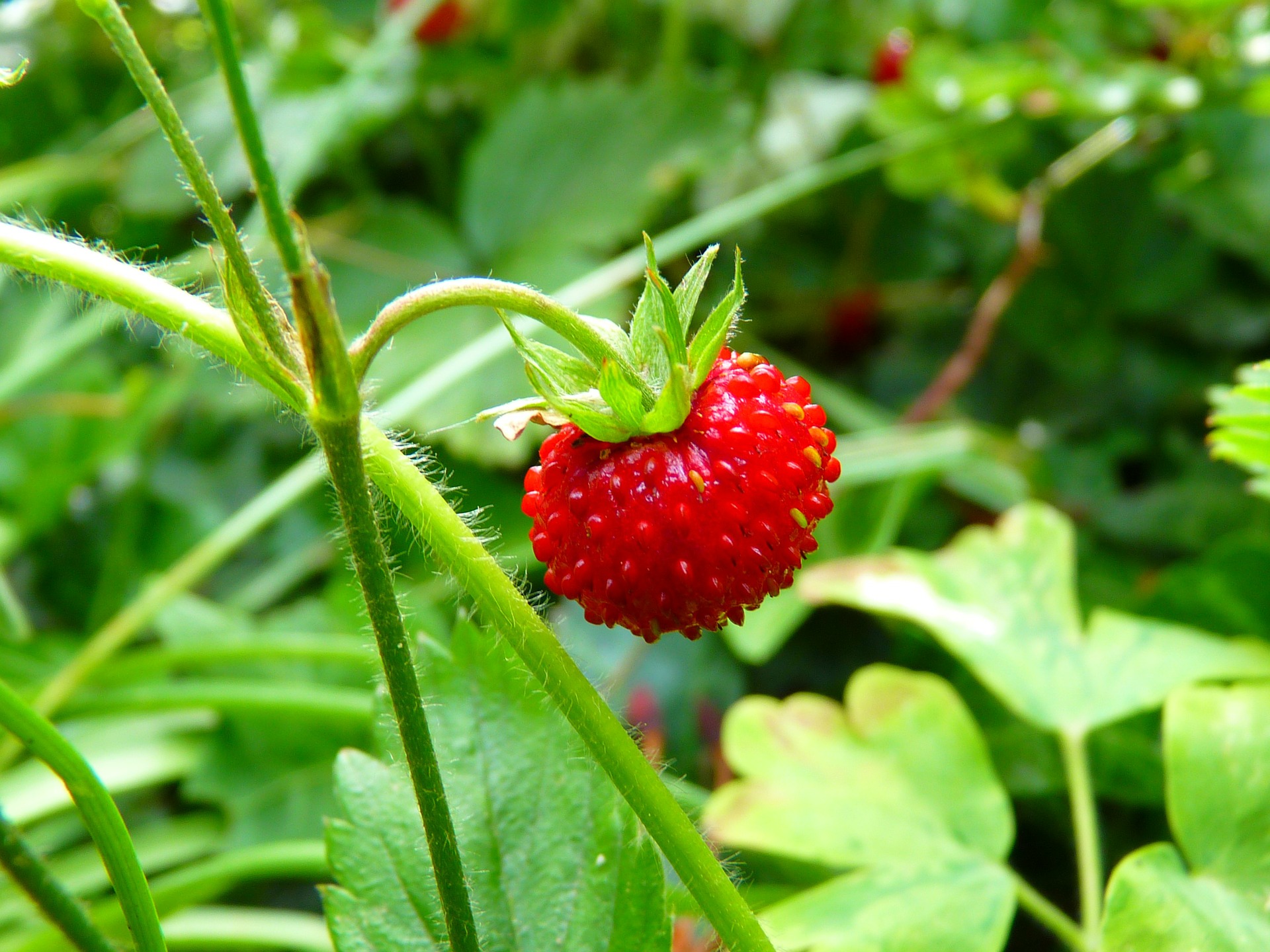
When it comes to choosing which berries to add to your organic garden, you can’t go wrong with summer’s favorite fruit — strawberries.

Packed with Vitamin C and fiber, strawberries make the perfect nutritious and delicious snack. Eat them alone or add to jams, pastries and smoothies.

Nothing says summer like the sweet taste of homegrown strawberries.  So, let’s get planting!

garden-strawberries

Choose Wisely

The first step in planting strawberries is choosing the right variety.

  • June-bearing strawberries produce one large harvest in late spring or early summer.
  • Ever-bearing strawberries produce 2-3 harvests of fruit intermittently during the spring, summer and fall.
  • Day-neutral strawberries continuously produce fruit throughout the growing season when temperatures remain between 35-85°F.

Ask an associate at your local garden center for recommendations for the best variety for your region.

When it comes to choosing which berries to add to your organic garden, you can’t go wrong with summer’s favorite fruit — strawberries.

Start Planting!

Strawberries need lots of sun, so choose a spot accordingly. Soil should be loose and fertile with a pH of 5.5 to 7. If the pH level is too high, add Espoma’s Soil Acidifier for ideal soil conditions.

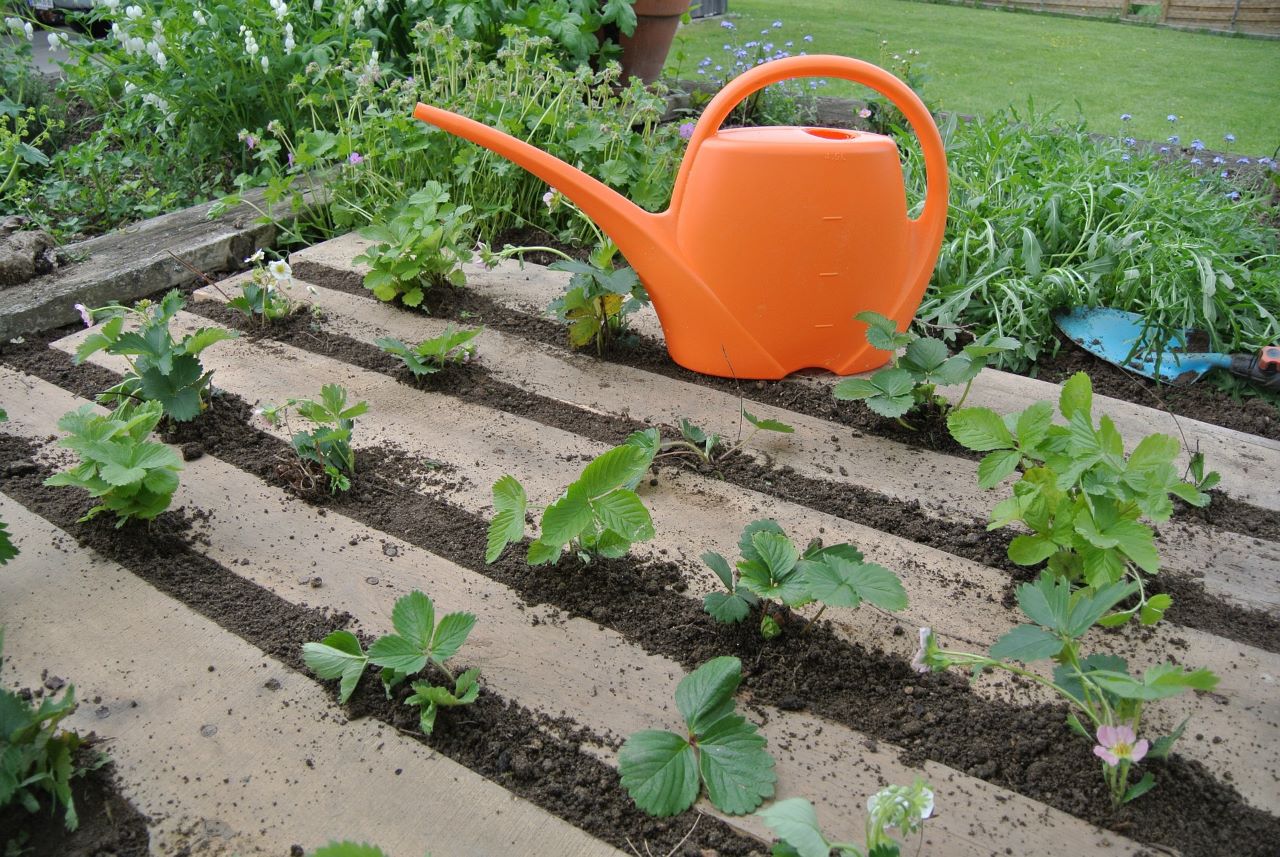
Plant strawberries in the spring as soon as the ground is workable. Space plants about 18″ apart. Dig holes deep and wide enough to accommodate the entire root system without bending it. Bury the roots, but not the center crown – it requires lots of light and fresh air.

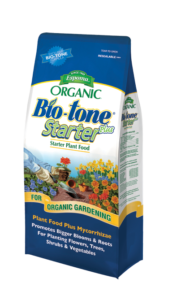
Mix in an organic starter plant food, such as Bio-tone Starter Plus, to keep roots strong.

Encourage growth by adding Espoma’s Holly-tone, an organic plant food perfect for acid-loving plants such as strawberries.

Expect ripe berries about four to six weeks after the plants blossom.

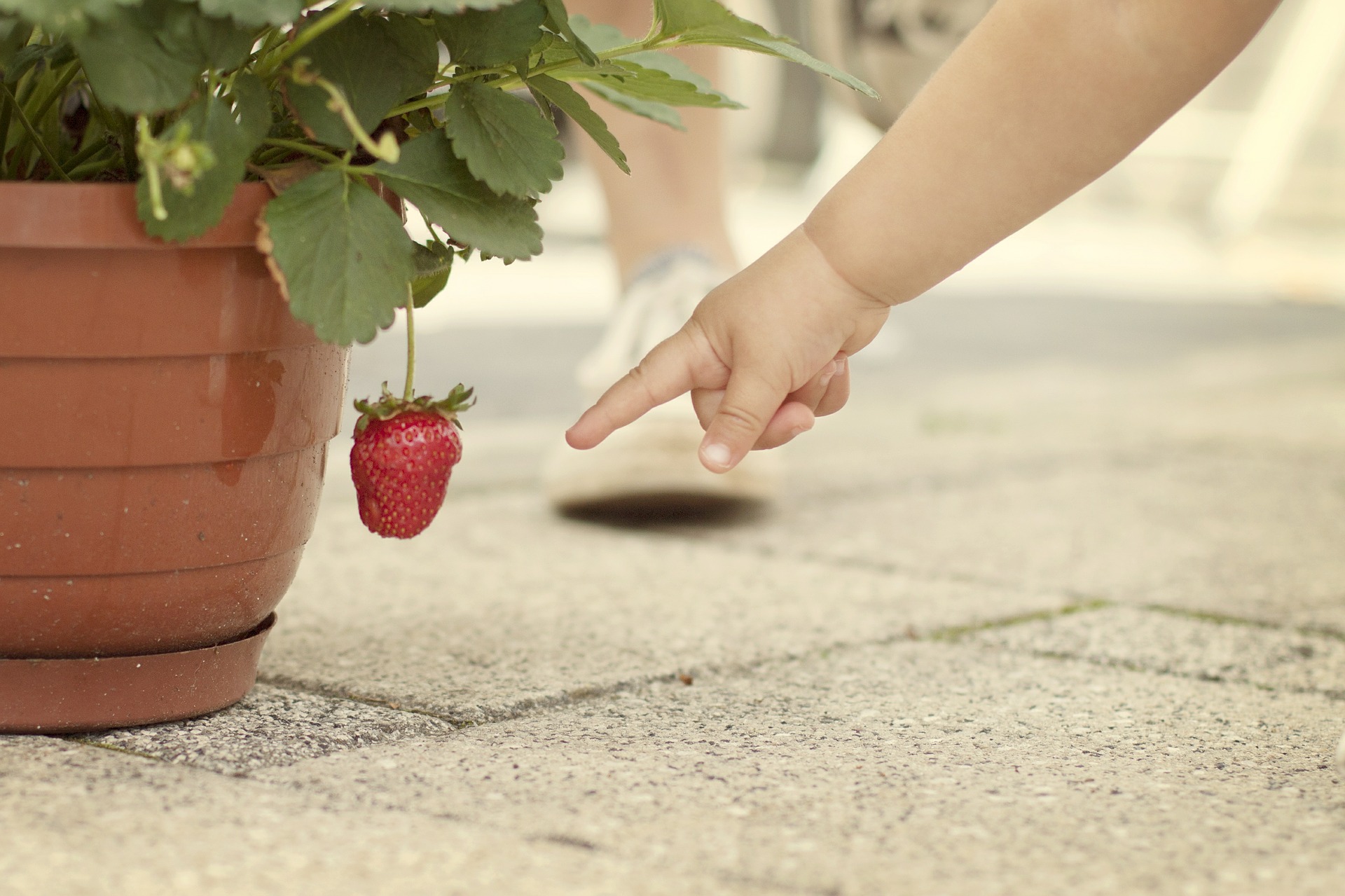
You can still have delicious strawberries if you garden in a small space. They make perfect container plants!

Small Space Strawberries

You can still have delicious strawberries if you garden in a small space. They make perfect container plants! Hanging containers add aesthetic value and are a conversation starter. When plants are off the ground, there is also a decreased risk of pests and disease.

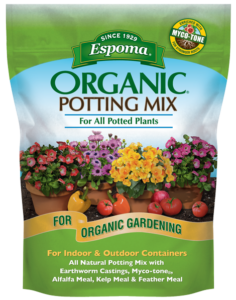
Simply fill a container with Espoma’s Organic Potting Mix and follow the same instructions above for planting strawberries in containers. Water plants well. Set the container in an area where it will receive at least 6 hours of sun. Rotate the container regularly so all sides receive equal light.

Whether you’re planting large beds of strawberries or starting with one small container, these tips will ensure success.

See the Total Berry Guide Here


https://www.espoma.com/wp-content/uploads/2016/05/strawberry-834947_1920.jpg 1893 1920 espoma https://www.espoma.com/wp-content/uploads/2023/05/espoma-logo340w-1.png espoma2016-05-19 08:00:112022-04-12 14:42:25The Secret to Strawberry Success

The Easiest Blueberries for Beginners to Grow

May 10, 2016/in Fruits & Vegetables

Grow blueberries in your garden, on your patio or balcony in containers. They don’t take much space or effort. And, once you know the basics, you are good to grow.

Native to North America, blueberries grow well in acidic soil and in areas with at least 140 frost-free days per year. They’re also perfect for organic gardeners since they can easily be grown without pesticides.

Below are our favorite picks for beginners to grow.

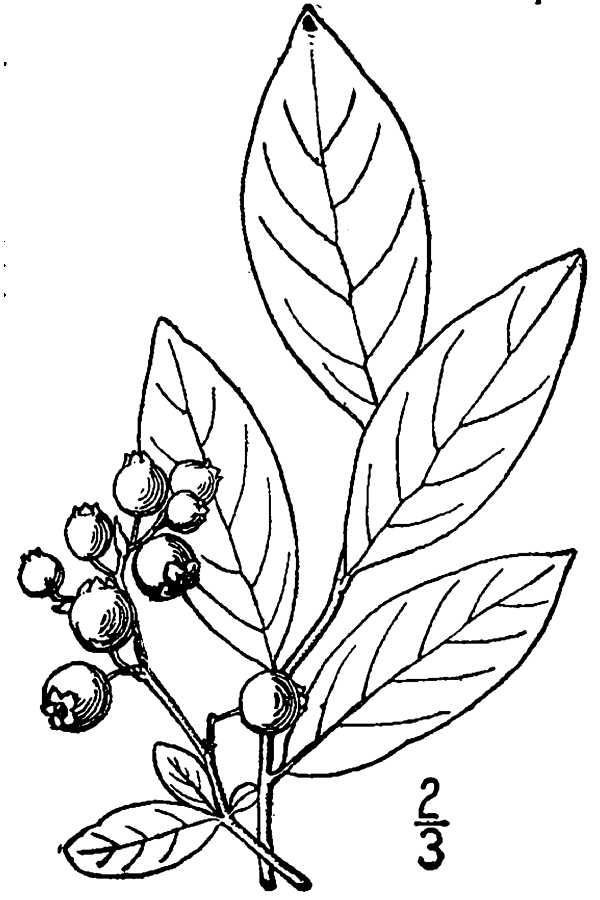
New jersey blueberry, organic blueberries.

Photo courtesy of USDA-NRCS PLANTS Database / Britton, N.L., and A. Brown.

Jersey Blueberry – One of the classics in the blueberry world. This reliable plant is super easy to grow and produces pounds and pounds of blueberries.

Blueberry Type: Northern Highbush

Light: Full sun

Size: 6-8’ H x 5-6’ W

Zone: 4-7

Chill Hours: 800-1,000

Ripening Season: Late: End of July-End of August

Taste and Size: Medium blueberries that taste rich and super sweet

Yield: High yield, 7-10 pounds of blueberries

Features:

  • Great blueberries for baking
  • Fiery orange fall foliage
  • Tolerant of many soil types
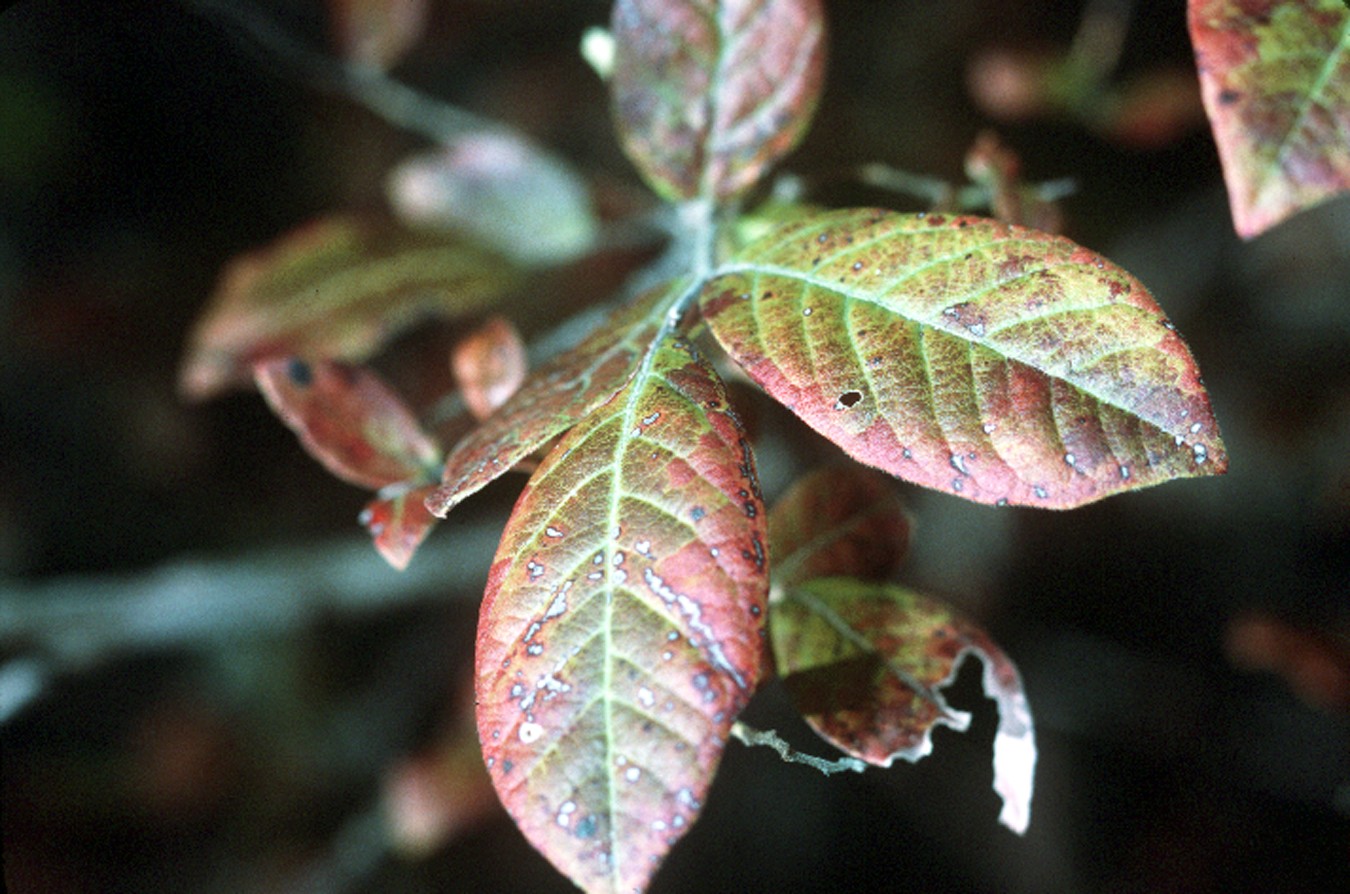
Photo courtesy of Robert H. Mohlenbrock, hosted by the USDA-NRCS PLANTS Database

Photo courtesy of Robert H. Mohlenbrock, hosted by the USDA-NRCS PLANTS Database

Emerald Blueberry – These berries are so enchanted you’ll think they’re from the Emerald City of Oz. This new blueberry variety is one you can count on. Year after year, it produces some of the biggest blueberries you’ve ever seen.

Blueberry Type: Southern Highbush

Light: Full sun

Size: 5-6’ H x 5-6’ W

Zone: 7-10

Chill Hours: 250

Ripening Season: Mid-season: End of May-Mid-June

Taste and Size: Enormous blueberries with a sweet flavor

Yield: High yield

Features:

  • Looks great in the landscape
  • Dependable in Southern climates
  • Grows well in Central and South Florida


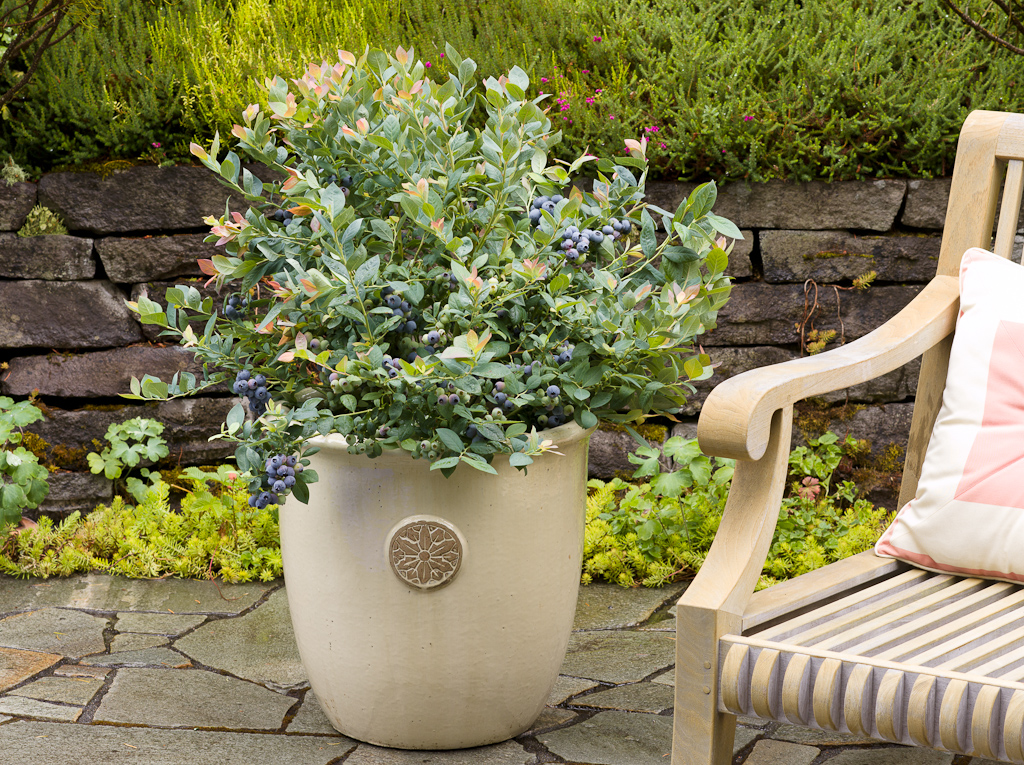
pink icing blueberries, easiest blueberries to grow

Photo courtesy of Bushel and Berry™

Pink Icing – With breathtaking spring and fall foliage and large, sweet berries mid-summer, this gem makes small spaces shine. Plus, these bushes are self-pollinating, so only one bush is needed to produce fruit.

Blueberry Type: Dwarf

Light: Full sun

Size: 3’ H x 4’ W

Zone: 5-10

Chill Hours: 500

Ripening Season: Mid-summer

Taste and Size: Large blueberries with sweet, robust flavor

Yield: Moderate yield

Features:

  • Works well in containers or in landscape
  • Likes acidic soil
  • Beautiful year-round foliage
See the Total Berry Guide Here


https://www.espoma.com/wp-content/uploads/2016/05/BrazelBerries-Pink-Icing-Fall-Color.jpg 800 1200 espoma https://www.espoma.com/wp-content/uploads/2023/05/espoma-logo340w-1.png espoma2016-05-10 08:00:282022-04-12 14:43:45The Easiest Blueberries for Beginners to Grow

Less is More: How to Successfully Prune Tomatoes

May 4, 2016/in Fruits & Vegetables

Tiny tomato seedlings can vigorously turn into huge bushes in no time. In fact, they’ve even been known to bend cages and pull stakes out of the ground!

However, when it comes to growing tomatoes, less is more. Fewer leaves mean air circulates better and leaves dry quicker, reducing the risk of disease.

Plants with less density direct energy toward producing bigger fruit. Plus, tomatoes often ripen earlier after a good pruning, allowing you to enjoy your harvest sooner.

Here are some helpful tips for pruning your tomatoes this season.

tomato-tone, growing tomatoes, organic gardening

Pruning 101

1. Find out if your tomato plant is a determinate or indeterminate variety. Determinate varieties often thrive with less attention because they only produce one crop of tomatoes. Indeterminate varieties, on the other hand, require frequent maintenance because they produce tomatoes all season.

2. Pinch or snip flowers until plants are 12-18” tall. When the first green fruit appears, remove all suckers, ie leaves beneath that cluster.

3. Feed throughout the season with Tomato-tone.

4. As the plant continues to fruit and flower, chose a few strong stems to produce tomatoes and prune the rest. Though this results in less fruit, tomatoes will be bigger and juicier.

5. Continue removing unnecessary suckers and flowers at least once a week during peak growing season. Eliminate suckers while they are still small enough to remove by hand. If you need to use a tool, be sure to use a sharp pruner blade to make a clean cut.

tomato-tone, growing tomatoes, organic gardening

Grow Up, Not Out

Tie tomato plants to a support such as a stake or a trellis to promote upward growth. This keeps tomatoes off the ground, keeping pests and diseases at bay. Vertically grown tomatoes are ultimately easier to prune because unnecessary suckers and leaves are more visible.

Though plants may now be better protected from insects and disease, staked and pruned plants may be more susceptible to blossom end rot and sunscald. Get a better harvest than you ever thought possible by giving tomatoes what they need!

See our guide to growing tomatoes here


Where to Buy


https://www.espoma.com/wp-content/uploads/2016/04/bush-tomatoes-876963_1920.jpg 1310 1920 espoma https://www.espoma.com/wp-content/uploads/2023/05/espoma-logo340w-1.png espoma2016-05-04 07:00:552022-04-12 09:51:40Less is More: How to Successfully Prune Tomatoes

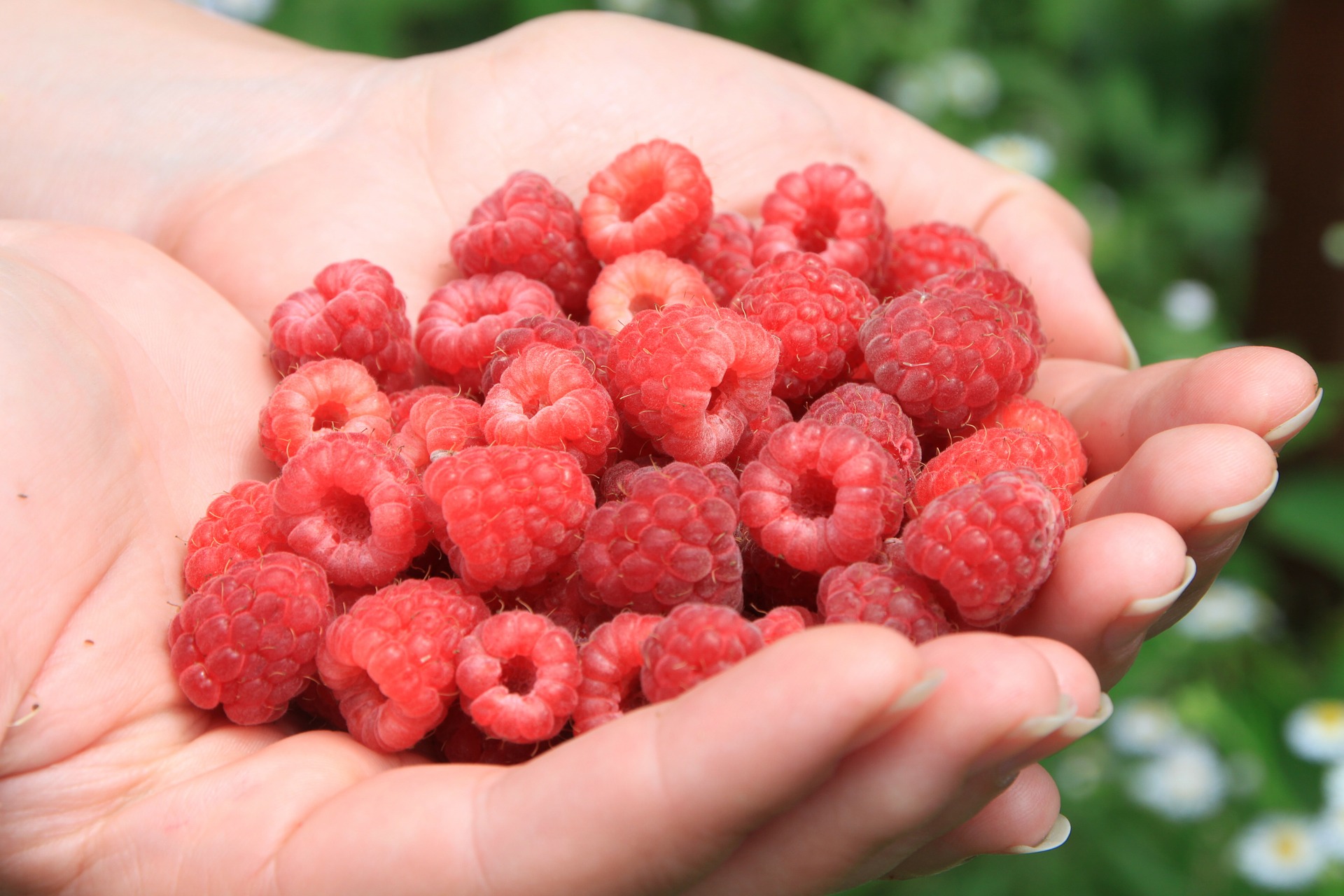
Seeing Red: Raspberries in the Garden

April 28, 2016/in Fruits & Vegetables

Raspberries are a summer staple in every kitchen. Make them a staple in the organic garden, too.

Whether you are growing berries for jam, raspberry cobbler, or just to eat as a quick and healthy snack, these sweet little fruits will never disappoint!

If you want to enjoy these delicious summer berries, now is the time to start planting. Here’s how, and when to plant raspberries.

Espoma soil acidifier, Holly-tone, growing berries

Pick a Berry

Summer-bearing fruits bear one crop per season, typically summer. Ever-bearing fruits bear two crops, one in the summer and one in the fall. Choose your variety based on how many berries you’d like to harvest.

Contrary to popular belief, raspberries aren’t always red! They also come in yellow, purple and black, so grow a variety of berries and add some color to your organic garden this summer. Visit your local garden center and they can help you choose a variety best fit for your region.

Espoma soil acidifier, Holly-tone, growing berries

When and Where?

The best time to plant raspberries is in early or mid-spring. These berries are inclined to grow in cooler climates, but the ground might not be workable until after the last frost.

When choosing a location, plant raspberries in an area with full sun and good air circulation. Avoid areas with heavy winds that may damage plants. Leave about 3 feet of space in between each plant.

Because some varieties of raspberries send long canes upward as they grow, they need support. Plant them next to a fence or create a simple support alongside the row with stakes and wire.

Espoma soil acidifier, Holly-tone, growing berries

Soil Conditions

Raspberries will grow best in slightly acidic, well-drained soil. Be sure to test your soil — an ideal pH level is anywhere between 5.5 and 6.5. If the soil is not acidic enough, add Espoma’s Soil Acidifier.
Add an organic plant food to the soil to encourage healthy growth. Espoma’s Holly-tone is perfect for raspberries as it is a slow-release fertilizer for extended feeding. Keep the soil evenly moist and water as needed.

And that’s it! You’ll have juicy, fresh-picked raspberries in no time.

See the Total Berry Guide Here


https://www.espoma.com/wp-content/uploads/2016/04/raspberry-368159_1920.jpg 1280 1920 espoma https://www.espoma.com/wp-content/uploads/2023/05/espoma-logo340w-1.png espoma2016-04-28 08:00:132022-04-12 14:45:36Seeing Red: Raspberries in the Garden

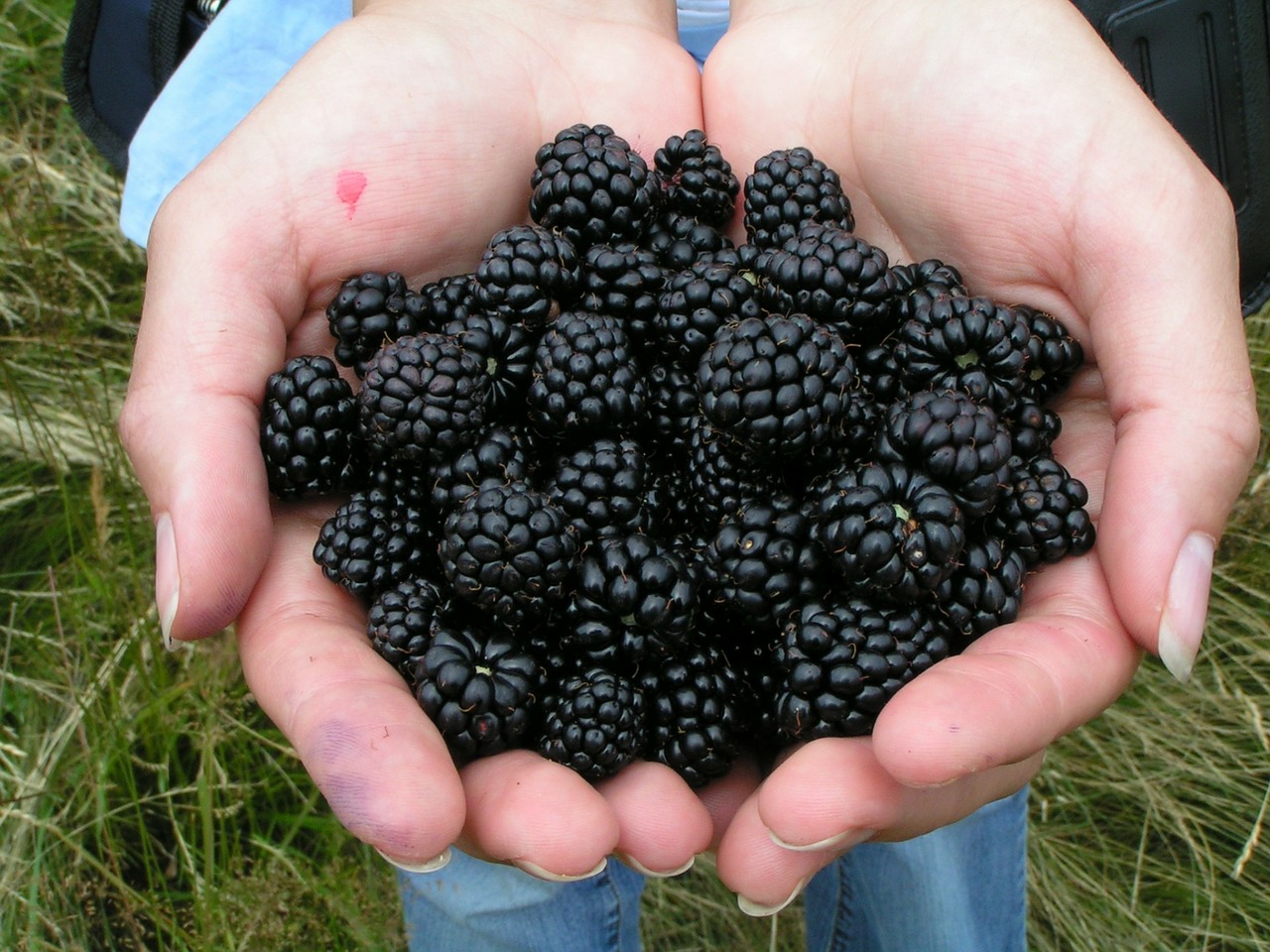
The Time is Ripe to Plant Blackberries

April 26, 2016/in Fruits & Vegetables

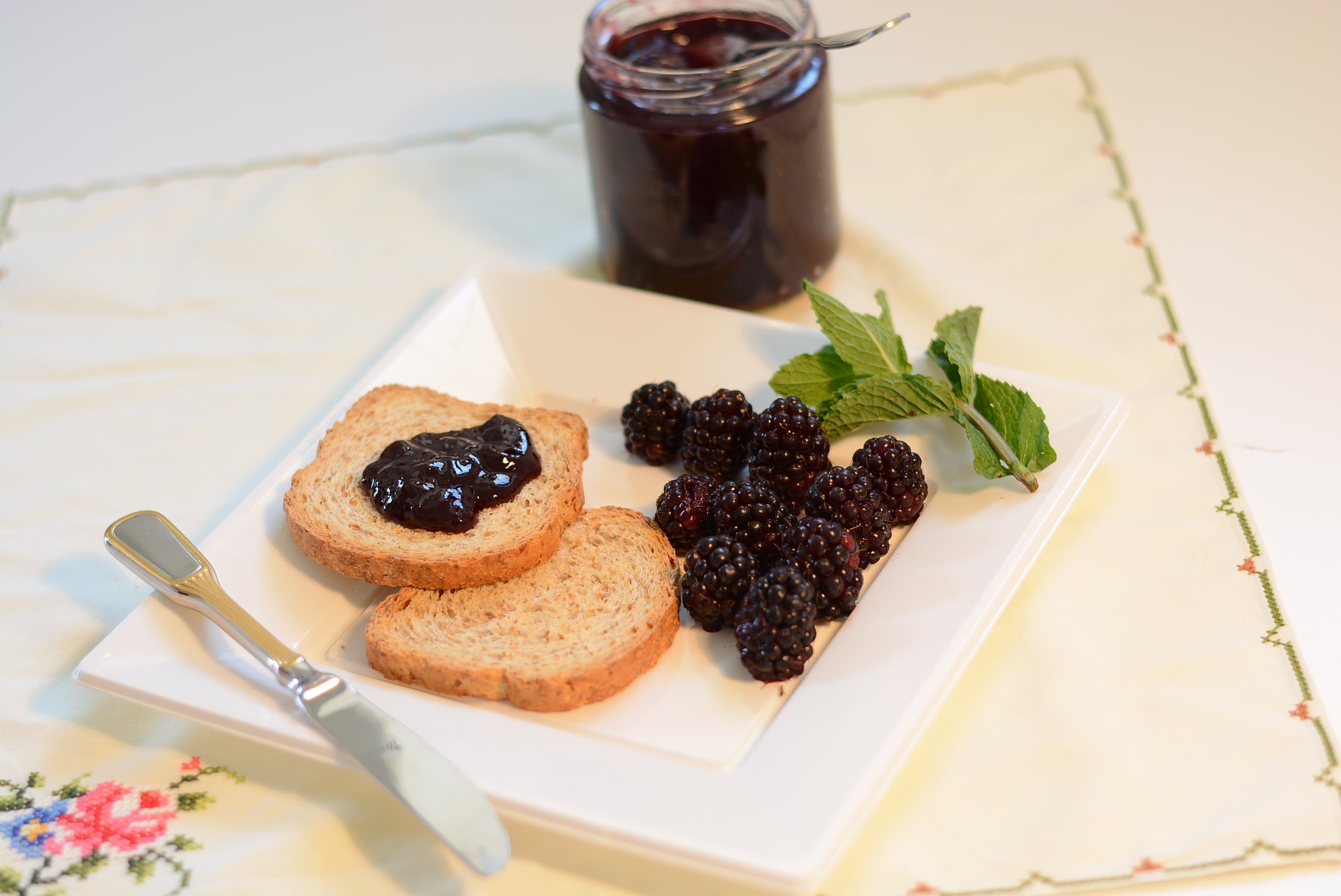
Blackberry cobbler, fruit salad, pie, and muffins – oh my!

These yummy berries are loaded with antioxidants and Vitamin-C, which help promote healthy skin and improve memory.

So maybe, it’s ok to have that second slice of cobbler after all?

We’re getting ahead of ourselves, though. Let’s get those blackberries planted first.

Grow Bliss in the Garden! Plant Blackberries

1. Just in Time! The best time to plant blackberries is early spring. If you’re feeling eager, plant them a month before winter’s last frost if the ground is workable. Planting in late fall works, too – as long as winters temps aren’t especially cold.

2. Here or There? Plant blackberries in full sun. Also, blackberries don’t play well with others. Choose a spot that hasn’t had blackberries, blueberries, raspberries, tomatoes, potatoes, eggplants, or peppers growing there in the last few years. Otherwise, leftover diseases or pests from those plants could spread to your blackberries.

Espoma soil acidifier, Holly-tone, growing berries

3. Testing, Testing. Once, you’ve found the prime spot, test the soil. Blackberries prefer well-draining, acidic soil. Add a handful of compost and Espoma’s Organic Soil Acidifier, if needed.

Growing, Growing, Gone! Plant your blackberry 1” deeper than it was growing in its pot. Plant upright varieties 3’ apart and trailing varieties 5-8’ apart. Then, water.

Ready, Set, Wait! Blackberries don’t produce fruit their first year, but they still need TLC to establish. Give them 1-2” of water a week, and organically feed throughout the season with Holly-tone.

See the Total Berry Guide Here


Where to Buy

https://www.espoma.com/wp-content/uploads/2016/04/jametlene-reskp-HGMw8z3NmcU-unsplash-scaled.jpg 1707 2560 espoma https://www.espoma.com/wp-content/uploads/2023/05/espoma-logo340w-1.png espoma2016-04-26 08:00:162024-04-16 11:17:20The Time is Ripe to Plant Blackberries

Grow Scrumptious Tomatoes in Easy Containers

April 19, 2016/in Fruits & Vegetables

True love is biting into a juicy tomato you’ve just picked off the vine. Even if space is limited, you can still grow delicious tomatoes in pots.

Tomatoes grown in portable containers are just as tasty and satisfying as garden grown. Plus, containers are versatile and can easily be moved from one spot to another to suite your gardening needs.

It takes just a few minutes to plant and maintain for a summer of delicious fruit.

tomato-tone, growing tomatoes, organic gardening

Make Space for Tomatoes with These Easy Planting Tips

Growing tomatoes in containers is easy. Tomatoes just need soil, sun and a little care.

Whether you live in an apartment or farm, containers are the perfect solution when space is limited or soil is tough to work.

1. Start by choosing a sunny patio, driveway, walkway, stairway or deck. Tomatoes need 6-8 hours of full sun a day.

2. Pick a pot big enough for your variety. A container 18 inches or larger in diameter with drainage holes will work. Tomatoes can grow 6-8 feet tall and 2 feet across. Place drainage material (like gravel) in the bottom of the pot before you add soil to provide air pockets so roots don’t drown.

3. Select the right tomato variety for containers. While any variety will perform, determinate varieties such as Patio Princess, Baxter’s Bush cherry tomato and Balcony are great choices.

4. Fill container 3/4 full with Espoma’s organic potting mix.

5. Add an organic starter plant food, such as Bio-tone Starter Plus, to keep roots strong.

6. Moisten mix slightly.

7. Add tomato plants. Sit the plant in the hole so its lowest leaves are below the soil level. Pinch off lower leaves.

8. Fill with potting soil.

9. Mix compost into the top few inches of your container.

10. Place container in a sunny spot that’s easy to access so you can regularly monitor plants.

11. Water tomatoes generously for the next few days. Then, give tomatoes about 2” of water at their base each week.

12. Add stakes or cages to your container to keep tomatoes from growing out of control and to help prevent diseases.

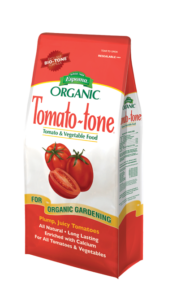
In addition to watering, feed tomatoes with Espoma’s Tomato-tone every other week. Organically fertilizing tomatoes with Tomato-tone produces larger, plumper tomatoes all season.

See our guide to growing tomatoes here


Where to Buy

https://www.espoma.com/wp-content/uploads/2016/04/tomato-999110_1920.jpg 1279 1920 espoma https://www.espoma.com/wp-content/uploads/2023/05/espoma-logo340w-1.png espoma2016-04-19 08:00:202022-04-12 09:56:24Grow Scrumptious Tomatoes in Easy Containers

Simple Steps to Planting Tomatoes

April 14, 2016/in Fruits & Vegetables

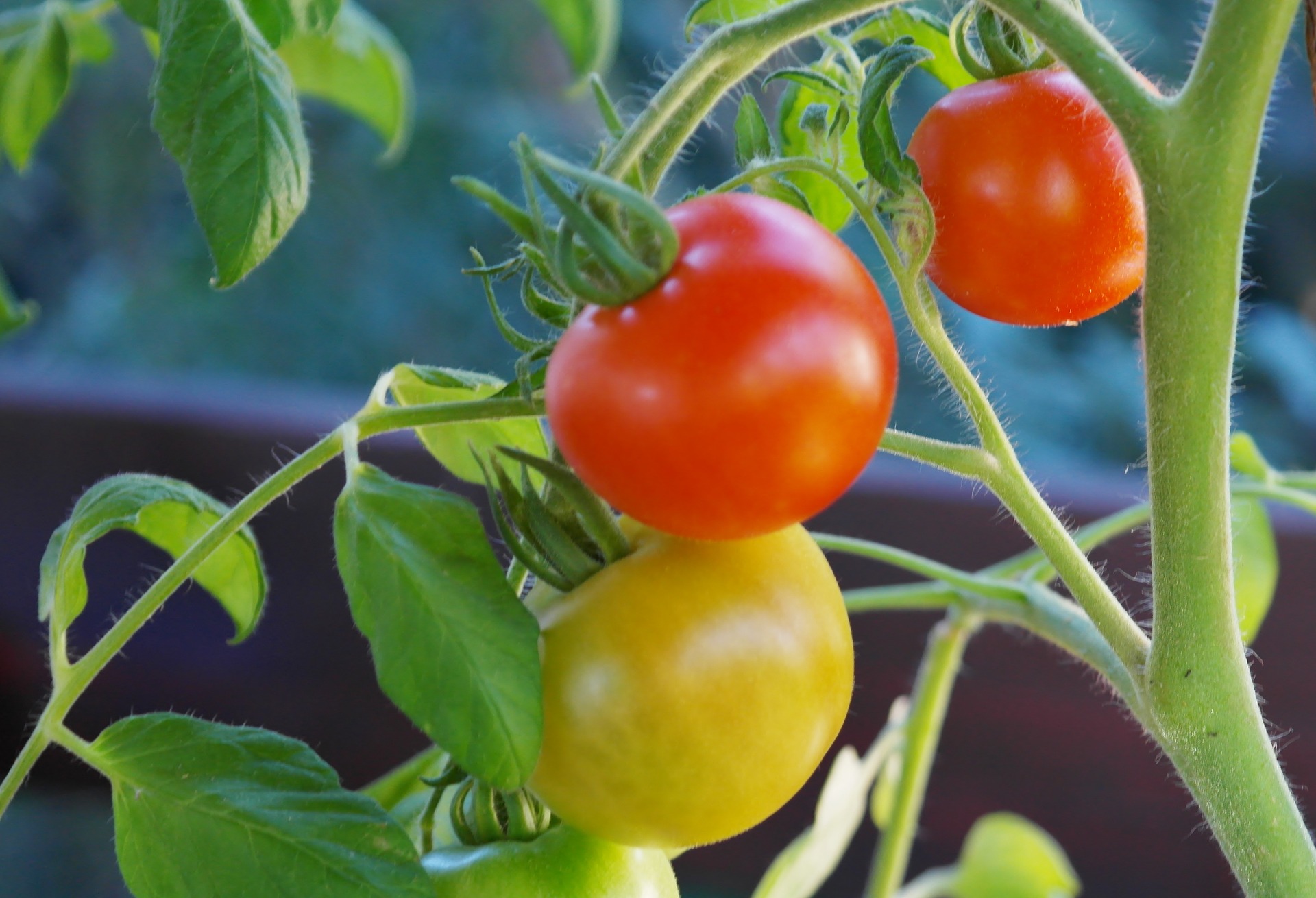
Seeing red tomatoes peek through the green leaves in your garden is a true sign that summer is here. The first harvest of the season provides opportunities to finally try those delicious garden-to-table recipes.

Tomatoes are a staple in every organic garden. And growing them doesn’t have to be difficult.

Start planting today and you’ll have a delicious harvest in no time.

tomato-tone, growing tomatoes, organic gardening

Start Growing

1. Choose a few of your favorite tomato varieties and get ready to plant!

2. Choose a spot that gets at least 6 hours of sunlight a day.

3. Check the plant tag to see how far apart plants should be.

4. Dig holes larger than the tomatoes’ original container.

5. Set the plant in the hole so its lowest leaves are below the soil level. Go ahead and pinch those lower leaves off now.

6. Mix in an organic starter plant food, such as Bio-tone Starter Plus, to keep roots strong.

7. Fill the hole with amended soil or Espoma’s Organic Garden Soil.

8. Once established, feed tomatoes by mixing in 3 tablespoons of Espoma’s Tomato-tone per plants. Organic Tomato-tone provides tomatoes the nutrients they need to grow big and plump. Since this is a slow-release, organic fertilizer, Tomato-tone never forces rapid growth, which reduces tomato yield.

tomato-tone, growing tomatoes, organic gardening

Keys to Success

Stake tomatoes now to increase air circulation and sunlight exposure.

Support plants with a tomato cage, trellis or container. Stakes work, too. Hammer 6-8” stakes into the ground 3-6” away from the plant. When tomatoes begin blooming, tie them to the stake.

Water tomatoes generously for the first few days after planting. Then, give tomatoes 2” of water at their roots per week.

Feed tomatoes with organic Tomato-tone monthly for larger, plumper tomatoes all season.

Add 2-3” of mulch in 3-5 weeks to reduce water consumption.

If you’re looking for more info on tomatoes, such as growing heirloom tomatoes, hybrid tomatoes or non-red tomatoes, please visit our Organic Tomato Gardening Guide: 

See our guide to growing tomatoes here
https://www.espoma.com/wp-content/uploads/2016/04/tomatoes-7605_1920.jpg 900 1200 espoma https://www.espoma.com/wp-content/uploads/2023/05/espoma-logo340w-1.png espoma2016-04-14 08:00:252022-04-12 09:58:39Simple Steps to Planting Tomatoes

Plant Tomato Seeds in 4 Easy Steps

April 7, 2016/in Fruits & Vegetables

Nothing beats that first bite into a delicious, ripe tomato – even better when it’s fresh out of your summer garden! Just talking about tomatoes has us craving homemade salsas, Caprese salads and a delicious medley of fresh summer veggies.

If you’re as excited about tomato season as we are, why not get started now?

In practically no time at all, you can start tomato seeds. The best way to get a head start on growing tomatoes is to start seeds indoors 4-6 weeks before the last spring frost date in your region.

tomato-tone, growing tomatoes, organic gardening

Pick Your Plant

The first step to starting seeds is deciding which tomato is the one for you. With thousands of varieties, it can be hard to choose just one! This list of easy-to-grow tomatoes will make your decision simple and stress free.

Start Seeding

When starting seeds indoors, you only need three simple things: warmth, light and an organic plant food.

Fill seed trays to within ¼” of the top with Espoma’s Organic Seed Starting mix. Follow instructions on the seed packets to see how deep and far apart to plant. Cover with soil, press down and lightly water.

Place tray in a larger pan of shallow water for a minute so the water seeps up from the bottom.

Place seeds in a warm spot between 65-75°. Try the top of the fridge, or purchase a heat mat.

Loosely cover tray with plastic wrap or the cover from your seed-starting kit. Check seeds daily for moisture and water as needed.

Give seeds 12-16 hours of light daily. Supplement sunlight with grow lights if needed.

tomato-tone, growing tomatoes, organic gardening

Getting bigger

Once you see sprouts, remove the cover and move seeds to a sunny, south-facing window that is 65-75°F. Then, turn the container a little each day to prevent leaning seeds.

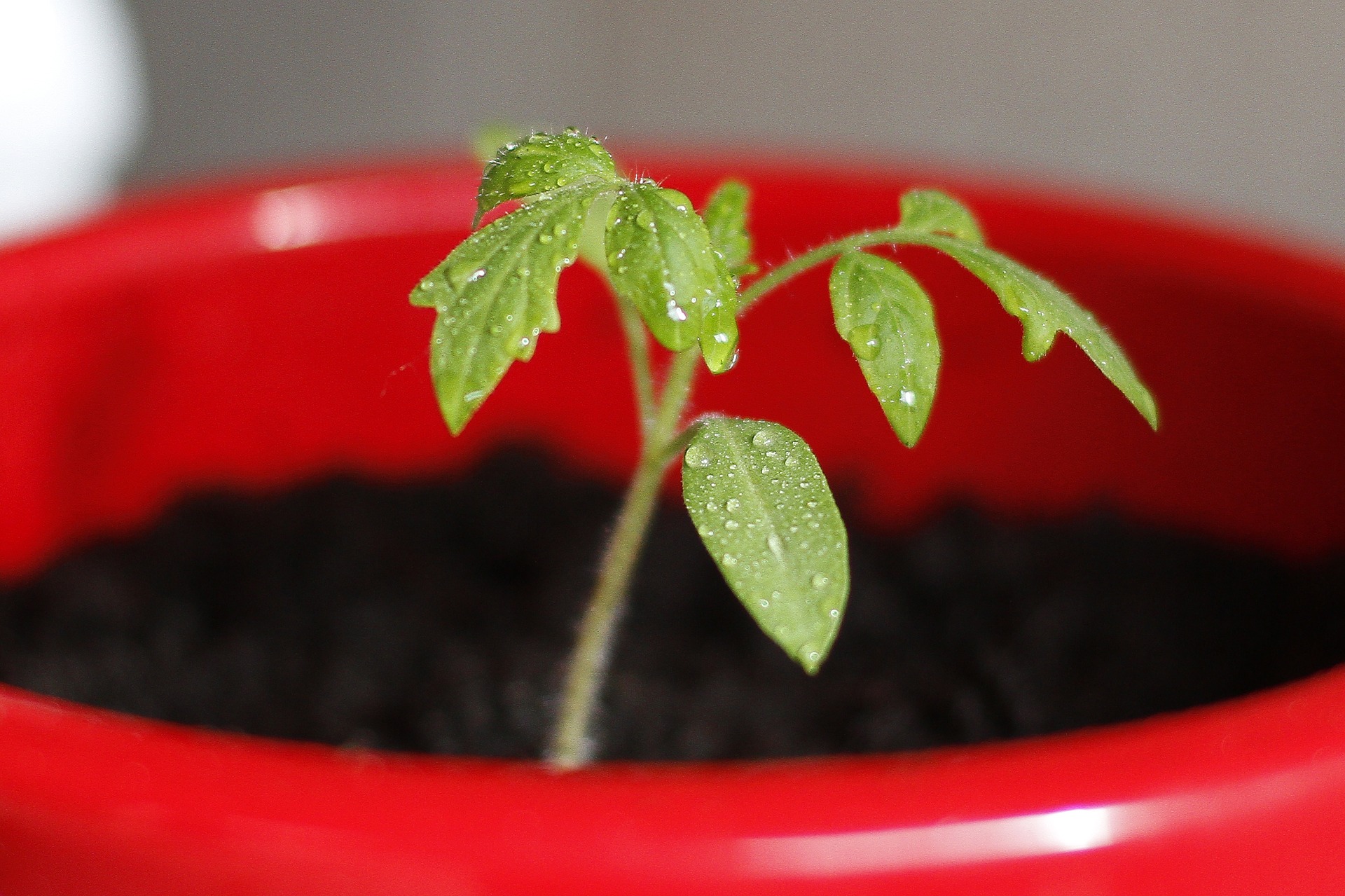
Add Espoma’s Organic Tomato-tone, a premium plant food formulated specifically for growing plump and juicy tomatoes, once seeds have sprouted. Tomato-tone’s organic composition feeds your plants naturally and will not force rapid growth at the expense of blooms and tomato yield.

Ready to Plant

Once the last frost date has passed, you’re almost ready to plant! Start by hardening off plants and placing seedlings outdoors for seven to 10 days for a few hours each day. Cut back on watering, as well. Now that plants are good and strong, it’s time to plant!  Gently remove plants from containers without damaging the roots. Plant in a prepared bed and mix in organic starter plant food, such as Bio-tone Starter Plus, to keep roots strong.

Now you’ll have delicious tomatoes in no time!

Go forth, and grow! When you’re organic gardening, be sure to feed tomatoes lots of Tomato-tone during the growing season.

See our guide to growing tomatoes here


Where to Buy

https://www.espoma.com/wp-content/uploads/2016/04/young-791790_1920.jpg 1280 1920 espoma https://www.espoma.com/wp-content/uploads/2023/05/espoma-logo340w-1.png espoma2016-04-07 08:00:222022-04-12 10:00:54Plant Tomato Seeds in 4 Easy Steps
Page 14 of 16«‹1213141516›»
Where to Buy

Get News & Updates

Recent Posts

  • VIDEO: Bringing In Your Plants for Winter 🪴❄️ with Summer Rayne Oakes
  • Final Fall Plantings & Tips for Bringing Plants Inside for Winter 🍁🪴 with Wyse Guide
  • Simple Fall Plantings 🪴🌻🍁 with Garden Answer
  • Video: How to Manage a Wild Garden with Summer Rayne Oakes 🌿🌸
  • VIDEO: Planting Beautiful New Plants and Feeding the Lawn Organically 🌸🚜🌱 with Garden Answer

Tags

All-Purpose Potting Mix bio-tone Bio-tone Starter Bio-tone Starter Plus Cactus Mix caring for houseplants Container Gardening DIY project Espoma espoma grown espoma organic Espoma Organics Espoma Video fall gardening Family fert flower garden flowers garden Garden Answer Gardening gardening tips gardens grow holly-tone houseplants Indoor! indoor gardening indoor plants Kaleb Wyse organic organic fertilizer Organic Gardening organic plant food Organic Potting Mix Outdoor Gardening Planting plants Potting Mix potting soil Spring Gardening summer rayne oakes vegetable garden Vegetable Gardening Wyse Guide

Espoma. A Family Tradition Since 1929.

Espoma Organic logo
  • Espoma Dealer
  • Espoma Pro
  • Garden Club
  • Privacy Policy

Scroll to top