Espoma Organic
  • Products
    • Close
    • Product Line Overview
    • Plant food finder
    • Garden Fertilizers
    • Potting Soils
    • Lawn Fertilizers
    • Liquid Fertilizers
    • Single Ingredients
    • Conventional Plant Foods
    • Animal Care Products
  • Where to Buy
  • Our Story
    • Close
    • Our Story
    • Locations
    • Historical Timeline
    • Our Commitment
    • Directions
    • Solar
    • Join our Team
    • Espoma Brand Partners
  • Learn
    • Close
    • Espoma Blog
    • FAQ’s
    • Pocket Guide
    • Espoma Guides
    • Garden Clubs
    • Safe Paws Lawn
    • PRODUCT FACT SHEETS
    • Fertilizer Fundamentals
      • Close
      • Understanding Plant Nutrition
      • Reading Labels
      • Choosing the Right Type of Fertilizer
      • Terms & Definitions
    • Gardening Projects
    • Resource Links
  • Contact Us
  • Menu Menu

Tag Archive for: tropical plants

Final Fall Plantings & Tips for Bringing Plants Inside for Winter 🍁🪴 with Wyse Guide

November 18, 2025/in Blog, Espoma Videos, Kaleb Wyse, Trees & Shrubs

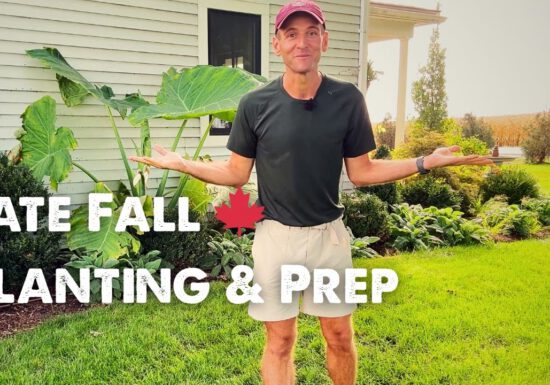
Fall might feel like the end of the gardening season, but as Kaleb from Wyse Guide shows, it’s actually a perfect time to plant and bring in your favorite tropical plants for the winter months.

In this project, Kaleb refreshes the front of his home with hydrangeas, using Espoma Organic Bio-tone Starter Plus to support strong root growth, then replants a massive elephant ear and pots it up in Espoma Organic Potting Mix so he can enjoy it again next year.

Kaleb’s late fall gardening tips:

1. Plant for Roots, Not Blooms
Kaleb takes advantage of fall’s warm soil and cool air to give hydrangeas time to establish. Adding Espoma Organic Bio-tone Starter Plus helps new shrubs settle in quickly and build the strong root systems that lead to better growth next spring.

2. Build Healthy Soil & Keep Watering
Hydrangeas thrive in rich, well-draining soil, so Kaleb amends where needed and uses drip irrigation to keep moisture consistent on his sunny, south-facing porch. Even with drip, he checks soil weekly and waters during fall—and even winter warm-ups—so new roots never dry out.

3. Store Tropicals to Enjoy Them Again
Instead of letting frost take his elephant ear, Kaleb trims it back and pots it into Espoma Organic All-Purpose Potting Mix. Over winter, it rests indoors with minimal watering, ready to return outdoors next season.

Even as the season slows, there’s still so much you can do to care for your garden. A little fall planting, some root-focused feeding, and thoughtful winter storage of warm-season plants can set you up for an even more beautiful spring. 

*****

Featured Products:

Espoma Organic Bio-tone Starter Plus Bag Image Espoma Organic Potting soil Mix Big bag

Where to Buy

https://www.espoma.com/wp-content/uploads/2025/11/Bring.jpg 720 1280 Matt Dauphinais https://www.espoma.com/wp-content/uploads/2023/05/espoma-logo340w-1.png Matt Dauphinais2025-11-18 15:54:332025-11-18 15:54:33Final Fall Plantings & Tips for Bringing Plants Inside for Winter 🍁🪴 with Wyse Guide

4 Tips for Getting the Most Out of Your Poinsettias

December 16, 2020/in Blog, Flowers, Indoor Gardening

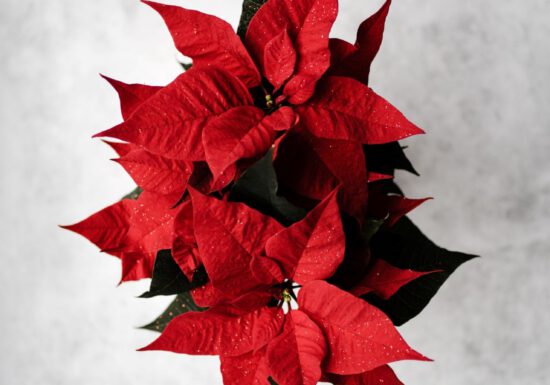
red poinsettias

‘Tis the season of poinsettias! These jolly red plants are a classic holiday gift and household decoration all across the country during the winter months. Unfortunately, for many people, the leaves quickly turn lackluster and the plant dies soon afterward. But you can avoid this outcome with proper care and maintenance! Here are 4 ways yours can thrive this holiday season, as told by Garden Answer.

1. Get a healthy start

Did you know poinsettias are actually tropical plants? These festive spurges have somehow become a staple during the colder months, but they very much still appreciate their native climate! That means you should try to avoid the ones that are placed near the entrance of your local grocery store, since the draft from outside and the dry heat from inside are already harming the plants’ health. If you find them elsewhere, be sure to check that the foliage has solid colors and is not showing any green as this could mean they’re finished flowering for the season.

2. Give them a loving home

Since poinsettias appreciate that tropical climate, be sure to place them somewhere with lots of light that’s away from cold glass. As mentioned before, keep them away from any drafts — warm or cold. Be sure to check their soil moisture regularly as heated homes often lack moisture in the air. You can water them when the top layer of soil feels dry. As a finishing touch, feel free to mist them regularly and use Espoma Bloom! to give them a boost.

Red poinsettias, organic

3. Stay safe this holiday season

A widely believed myth is that poinsettias are incredibly toxic to pets and humans. But the truth is that you would have to ingest an exorbitant amount of it for it to actually be dangerous! You should still err on the side of caution since the white sap that’s produced when the stems break can be a skin irritant, and it’s best to set them somewhere pets and kids can’t reach as with all houseplants.

4. Start anew next year

No matter how devoted you are to your beloved poinsettias, you should still think of them as annual plants that need to be replaced each year. It can be very difficult to get them to bloom again a year later and it involves much stricter care than the tips listed above. 


Check out this video from Kevin @Epic Gardening for some additional tips and tricks to get the most out of your poinsettias.


Now that you have all the necessary knowledge, go find the biggest and brightest poinsettias you can locally buy — and rest assured that they’ll last much longer than last year’s!

Featured Products

Where to Buy
https://www.espoma.com/wp-content/uploads/2020/12/annie-spratt-H0IhIwdJpc0-unsplash.jpg 1758 1280 Danielle Kirschner https://www.espoma.com/wp-content/uploads/2023/05/espoma-logo340w-1.png Danielle Kirschner2020-12-16 16:15:442024-10-21 10:35:094 Tips for Getting the Most Out of Your Poinsettias

How to Care for Your Monstera

January 30, 2019/in Blog, Indoor Gardening

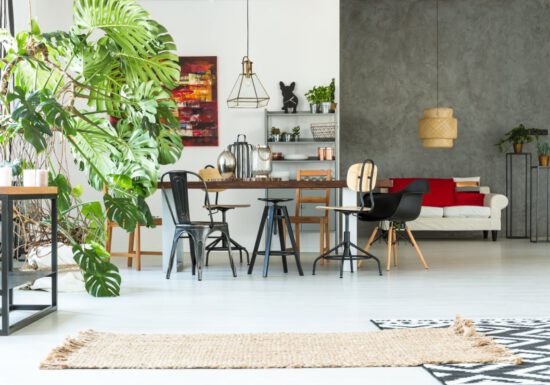
Monstera is commonly called Swiss cheese plant or split-leaf philodendron referring to the beautifully cut leaves. It’s a must have for its Caribbean feel. The foliage is deep green, lush and tropical. With time the foliage can become quite large and exotic looking. There is also a rare white variegated form that is slower growing. They generally don’t bloom indoors but in its natural environment they will produce edible fruit that is said to taste like fruit salad.

Light and Placement

As a tropical plant it’s no surprise that your Monstera likes warm indoor temperatures between 68 and 86 degrees Fahrenheit. A little humidity makes them feel right at home, too. Bathrooms and kitchens can often supply a touch of humidity or you can simply mist your plant now and then. These plants grow naturally in the dappled light of the forest floor. To mimic that, place your Monstera in bright or filtered, indirect light. They can actually grow in deep shade, but may not exhibit as much of the cut leaf foliage. If you live in zones 10 or 11, you can grow it outdoors in a shady spot.

Photo courtesy of Costa Farms

Food and Water

Monstera likes moist soil, but not one that stays soggy or overly wet. Make sure the pot has good drainage. Water weekly, when the top inch of the soil is dry. Make sure any excess water drains away. In spring and summer, when the plants are actively growing, it’s a good idea to feed them once a month with a liquid fertilizer like Espoma’s Organic Indoor!  plant food.

Repotting

Repot young plants every year to encourage growth and add soil nutrients. Gradually go up in pot size by 2 inches per year.  Once your plant has reached its optimal height for your space, you can give it a top dressing of new soil once a year and only repot it about every 3 years. Always use a quality potting soil to help keep the soil moist but free-draining. These are natural climbers that use their aerial roots to hold on to trees. When you do repot your plant, be sure to add a trellis or moss covered plant stake for support.

Photo courtesy of Costa Farms

Pruning

Young plants often have compact, bushy habits. As they grow, they will begin to show their vining nature. You can either give them support to climb and become a tall and dramatic or if you prefer, you can pinch them to rein in the lankiness. Pinch off the new growth tip with your finger at the height you’d like it to stay at. Feel free to prune out stems that are producing few or no leaves. If you can’t tuck the aerial roots back into the pot, you may remove them as well.

Pest and Disease

Monstera is rarely bothered by pest or disease. Wipe off the leaves with a damp cloth from time to time or give it a shower to remove dust. Check for spider mites when you do. This is a long-lived house plant that will give you years of pleasure with little care.

Ready for more houseplants? Check out “How to Fertilize Houseplants” with Homestead Brooklyn!

Best products for Monstera

Where to Buy


https://www.espoma.com/wp-content/uploads/2019/01/shutterstock_593969489-1200w.jpg 800 1200 espoma https://www.espoma.com/wp-content/uploads/2023/05/espoma-logo340w-1.png espoma2019-01-30 08:00:032024-08-16 14:50:05How to Care for Your Monstera
Where to Buy

Get News & Updates

Recent Posts

  • VIDEO: Bringing In Your Plants for Winter 🪴❄️ with Summer Rayne Oakes
  • Final Fall Plantings & Tips for Bringing Plants Inside for Winter 🍁🪴 with Wyse Guide
  • Simple Fall Plantings 🪴🌻🍁 with Garden Answer
  • Video: How to Manage a Wild Garden with Summer Rayne Oakes 🌿🌸
  • VIDEO: Planting Beautiful New Plants and Feeding the Lawn Organically 🌸🚜🌱 with Garden Answer

Tags

All-Purpose Potting Mix bio-tone Bio-tone Starter Bio-tone Starter Plus Cactus Mix caring for houseplants Container Gardening DIY project Espoma espoma grown espoma organic Espoma Organics Espoma Video fall gardening Family fert flower garden flowers garden Garden Answer Gardening gardening tips gardens grow holly-tone houseplants Indoor! indoor gardening indoor plants Kaleb Wyse organic organic fertilizer Organic Gardening organic plant food Organic Potting Mix Outdoor Gardening Planting plants Potting Mix potting soil Spring Gardening summer rayne oakes vegetable garden Vegetable Gardening Wyse Guide

Espoma. A Family Tradition Since 1929.

Espoma Organic logo
  • Espoma Dealer
  • Espoma Pro
  • Garden Club
  • Privacy Policy

Scroll to top