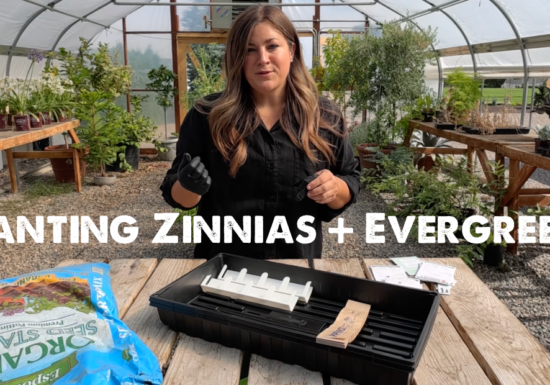
Taking time to care for plants is the perfect way to slow down and enjoy the cooler seasons. Spend the day with Laura from Garden Answer as she repots ornamental grasses and a Mangave plant in her greenhouse, refreshing them with Espoma Organic Potting Mix to keep them happy, healthy, and hungry for new growth!
https://www.espoma.com/wp-content/uploads/2026/02/Espoma_0126_GardenAnswer_RepottingGreenhouse_thumbnail.png360640Matt Dauphinaishttps://www.espoma.com/wp-content/uploads/2023/05/espoma-logo340w-1.pngMatt Dauphinais2026-02-04 12:07:562026-02-04 15:50:50VIDEO: Repotting in the Greenhouse with Garden Answer
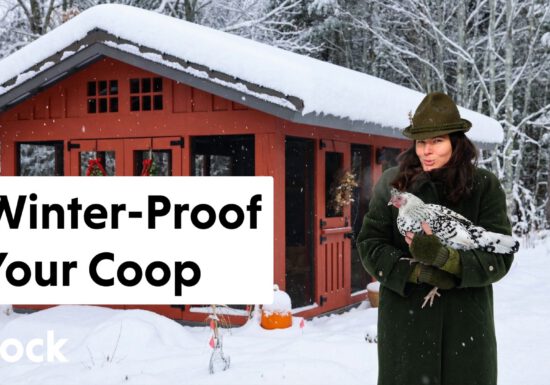
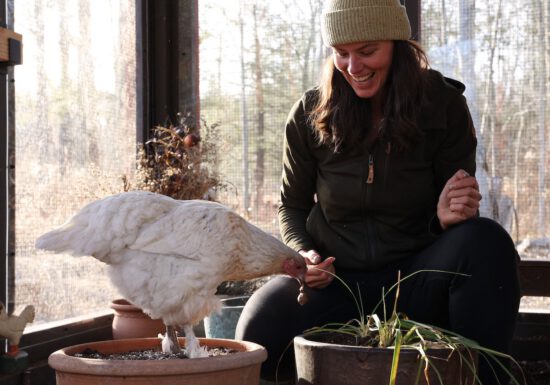
On a snowy, wintry day, Summer Rayne Oakes of Flock Finger Lakes takes us inside her newly built chicken coop to share what she’s doing to get it ready for winter. From smart coop orientation and ventilation tips to insulation strategies and warm-water routines, Summer walks through the small details that help her birds stay comfortable in cold weather. She also shows how she uses Espoma Organic Sani-Care® Premium Hardwood Bedding to create a deep, cozy floor layer that’s easy to clean and helps keep the coop environment drier and more comfortable all season long.
8 Winter Coop Tips Summer Swears By
1) Start with the right coop orientation
If you’re building a coop from scratch (or choosing where to place one), Summer recommends thinking about prevailing winter winds first. In her location, cold winds typically come from the north, so she designed the coop with no open windows on the north side to help block drafts.
Takeaway: Positioning and window placement can make winter management easier before you even add insulation.
2) Use windows for ventilation, not warmth
It’s tempting to button everything up tight, but Summer reminds us that humidity control matters just as much as temperature. She aims to keep coop humidity under about 70%, since damp air in freezing weather can contribute to frostbite risk on combs and wattles.
Takeaway: In winter, crack windows strategically to keep air moving without creating harsh drafts.
3) Insulate to reduce temperature swings (but don’t heat the coop)
Summer insulated the coop walls and ceiling to help limit dramatic hot-to-cold shifts. The goal isn’t to create a tropical coop, it’s to keep conditions steadier.
She also notes an important point: heating the coop can backfire if birds step outside into much colder air, creating stress and condensation issues.
Takeaway: Insulation can help stabilize the space; birds are built for winter, but they do best in a dry, well-ventilated environment.
4) Build a warmer, softer floor with deep bedding
Because concrete floors get cold fast, Summer builds up a generous layer of bedding. She uses Espoma Organic Sani-Care and piles it 6–10 inches deep so the birds have a warmer, softer place to settle in.
Why Sani-Care?
Easy to clean: makes daily and weekly maintenance simpler
Comfort-focused: helps create a more cushioned, cozy floor layer
Supports a drier coop: deep, fresh bedding helps manage moisture so the coop feels more comfortable
5) Add extra “snuggle zones” with raised beds
Summer repurposed pet beds as raised sleeping areas and added bedding on top, giving chickens and ducks the option to get up off the cold floor. Some birds choose corners, others prefer the beds. The point is: let them decide.
Takeaway: Variety in roosting/sleeping spots helps the flock settle where they’re most comfortable.
6) Use safe lighting and avoid risky heat sources
Summer uses a standard LED light and avoids heat lamps, noting that heat lamps can be a cause of coop fires. If she ever wants a small bump in warmth, she considers a safer alternative that gently raises the temperature without intense heat.
Takeaway: Prioritize fire safety in winter setups. Warmth is never worth the risk.
7) Block wind in the run with panels (without sealing it airtight)
To cut wind where birds spend their time, Summer adds poly panels to the run. She intentionally leaves small gaps so there’s still some airflow.
Takeaway: Wind protection + ventilation is the balance. You’re aiming for calm air, not stale air.
8) Keep water available and flowing
Summer shares her setup for keeping water accessible in freezing weather, including insulated lines and a system designed to reduce freezing. She also brings warm water as a treat, especially on extra-cold days.
Takeaway: Winter hydration takes planning, but it’s one of the biggest quality-of-life upgrades you can make for your flock.
Learn more about other Espoma Organic Products at Espoma.com
https://www.espoma.com/wp-content/uploads/2026/01/Winterize-Chicken-Coop-frame-000000.jpg10801920Matt Dauphinaishttps://www.espoma.com/wp-content/uploads/2023/05/espoma-logo340w-1.pngMatt Dauphinais2026-01-14 12:20:492026-01-14 12:47:43VIDEO: How to Winterize Your Chicken Coop with Summer Rayne Oakes
When the garden beds are resting, container gardening keeps the joy of planting alive. In a recent video on her Flock Finger Lakes channel, Summer Rayne Oakes shows how she extends the season by layering spring-flowering bulbs in containers, tucked inside her chicken and duck run. Using Espoma Organic Potting Mix and Espoma Organic Perlite, Summer creates a well-draining, root-friendly environment that helps bulbs overwinter successfully and burst into bloom come spring.
Summer’s Top 3 Tips for Planting Bulbs in Containers
1. Start with a High-Quality, Well-Draining Soil Mix
Healthy bulbs begin with the right foundation. Summer uses Espoma Organic Potting Mix as her base because it’s lightweight, rich in organic matter, and formulated specifically for container gardening. It holds just the right amount of moisture while still allowing excess water to drain away—critical for preventing bulb rot during winter storage.
To further improve drainage, she blends in Espoma Organic Perlite, which keeps the soil loose and airy. This extra oxygen around the bulbs encourages strong root development and helps containers handle fluctuating winter and spring conditions.
2. Layer Bulbs
One of Summer’s favorite techniques is layering bulbs by size and bloom time. Larger, later-blooming bulbs like tulips and daffodils go deeper in the pot, while smaller, early bloomers like snowdrops are placed closer to the surface. This creates a succession of blooms from early to late spring—all in one container.
Planting bulbs a bit closer together in containers also creates a fuller, more impactful display, making pots look lush when they come into flower.
3. Protect Containers While Letting Them Chill
Bulbs need a cold period to bloom, and Summer’s chicken and duck run doubles as a cold greenhouse thanks to added panels. Containers stay protected from harsh weather while still experiencing natural temperature changes. A light soil topper can also help discourage curious critters from digging, especially when overwintering bulbs in shared garden spaces.
Let’s Get Growing
Layering bulbs in containers is a simple, rewarding way to extend the gardening season and enjoy months of spring color. With Espoma Organic Potting Mix and Espoma Organic Perlite, you’re giving bulbs the well-draining, nutrient-rich environment they need to thrive—naturally.
https://www.espoma.com/wp-content/uploads/2026/01/Bulbs-with-Chickens-IMG_6466-1.jpeg8531280Matt Dauphinaishttps://www.espoma.com/wp-content/uploads/2023/05/espoma-logo340w-1.pngMatt Dauphinais2026-01-06 13:45:242026-01-06 13:45:24VIDEO: Planting Spring Bulbs in Containers 🪴🌷 with Summer Rayne Oakes
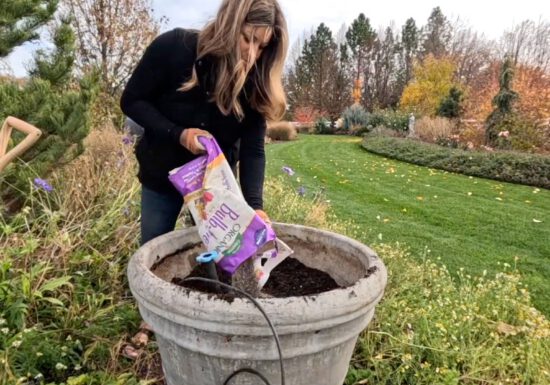
As the season winds down, Laura from Garden Answer takes on her final bulb planting of the year, sharing practical planting and bulb-care tips along the way. In this project, she plants more than 300 Thalia daffodils alongside a mix of spring bloomers, including Persian Pearl, Snowdrops, and Lilac Wonder—showing how late-season planting can still deliver impressive results.
Laura walks us through her process, emphasizing the importance of proper bulb depth, spacing, and soil preparation. These foundational steps help bulbs establish strong roots before winter, setting the stage for healthy growth and vibrant blooms in spring.
To support early root development, Laura incorporates Espoma Organic Bulb-tone at the time of planting. This organic, slow-release fertilizer is specially formulated for bulbs and helps:
Encourage strong root growth before dormancy
Support bigger, more vibrant spring blooms
Feed gradually over time for long-term plant health
Reduce the risk of burning young roots compared to quick-release fertilizers
By combining proven planting techniques with the right nutrition, this end-of-season bulb planting shows how a little extra care now can make a big difference when spring arrives.
https://www.espoma.com/wp-content/uploads/2025/12/Espoma_1225_GardenAnswer_Bulbs_Thumbnail.png7201280Matt Dauphinaishttps://www.espoma.com/wp-content/uploads/2023/05/espoma-logo340w-1.pngMatt Dauphinais2025-12-23 10:38:372025-12-23 11:06:16VIDEO: Planting the Last Bulbs of the Season with Garden Answer
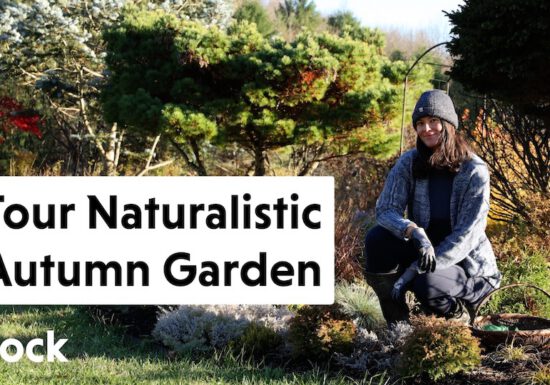
Fall always feels like the quickest season in the garden, and in her final autumn tour at Flock Finger Lakes, Summer Rayne Oakes invites us to slow down and savor what’s left before winter fully settles in. As she walks the property, you’ll see how the gardens she’s been nurturing with Espoma Organic Fertilizers and Potting Soils have grown into layered, living spaces that carry beauty even as the blooms fade and the days grow shorter.
A Farewell Walk Through the Pollinator & Herb Gardens
The tour begins on a crisp morning among the pollinator and herb gardens, where most of the leaves have already dropped, but the seed heads still stand tall. Summer lets them remain for the songbirds, creating a soft, textural landscape that feels both wild and intentional. From there, she moves to a front garden bed, gently tucking in Virginia bluebells beneath a freshly prepared layer of mulch and rich soil, imagining how their spring flowers will weave into the story of next year’s garden.
Soft Light on the Pond, Meadow, and Grasses
In the video, Summer moves down to the pond and meadow, where goldenrods, asters, sedges, and native grasses catch the low autumn light. The seed heads shimmer, the pond sits quietly in the background, and you get the sense that the garden is exhaling after a full season of growth. A visit to the compost pile reminds us that all of this beauty is supported by what’s happening beneath the surface: wood chips, sawdust, clippings, and plant debris slowly transforming into the soil that will feed future plantings.
The Meadow House gardens
At the Meadow House gardens, the mood shifts to one of hopeful beginnings. These beds are still young, yet already filled with perennials, bulbs, and containers that will be tucked away for protection as temperatures drop. You can almost imagine how full and lush it will all look when spring and summer return.
Reflecting on Five Seasons of Growth
Summer reflects on five years of tending this land and how much has changed in that time—tiny trees now casting shade, shrubs filling out, meadows finding their own rhythm. It’s a gentle, grateful goodbye to fall, and a quiet nod toward all that’s still to come.
https://www.espoma.com/wp-content/uploads/2025/12/Fall-Garden-Tour-frame-000001-copy.jpg540960Matt Dauphinaishttps://www.espoma.com/wp-content/uploads/2023/05/espoma-logo340w-1.pngMatt Dauphinais2025-12-11 11:51:162026-01-06 13:12:24VIDEO: One Last Autumn Stroll 🍁🍂 with Summer Rayne Oakes
Laura from Garden Answer shows how to plant spring-blooming bulbs in large containers for a big, colorful show next season. She fills eight pots with Menton tulips and Spanish bluebells, feeding them with Espoma Organic Bulb-tone and then topdressing with Espoma Organic Land & Sea Compost to refresh the tired soil and support strong, natural growth.
The Planting Plan: A “Bouquet” in Every Pot
Laura creates a layered “bouquet” effect in each container:
Center: Menton tulips
Outer edge: Spanish bluebells
Both bloom late in the season, so the colors overlap beautifully. Spanish bluebells grow about 14–18″ tall, while Menton tulips reach 23–25″, giving each pot a soft, tiered look. Planting in raised containers keeps everything at waist height, which makes bulb planting much easier than digging in the ground.
Step-by-Step: How Laura Plants Her Bulb Containers
1. Prepare the Container
Laura removes soil down to about 6 inches deep. This makes room for the first layer of bulbs and ensures they’re planted at the proper depth.
2. Amend the Soil with an Organic Fertilizer
Before placing any bulbs, she sprinkles Espoma Organic Bulb-tone into the container.
Why it helps:
Provides slow-release, organic nutrition right where roots grow.
Encourages strong root development, which is key for bulbs to overwinter and bloom well.
Gentle, natural formula that’s safe for people, pets, and pollinator-friendly gardens when used as directed.
3. Plant Tulips “Shoulder to Shoulder”
Menton tulip bulbs go in first at 6 inches deep, planted:
Pointy side up, flat side down.
Very close together—“shoulder to shoulder”—rather than spaced as they would be in the ground.
This tight spacing lets her fit about 100 tulip bulbs per pot, creating a dense, show-stopping spring display.
4. Add Spanish Bluebells
She covers the tulips with a couple of inches of soil, then plants the Spanish bluebells in a ring around the outer edge at about 4 inches deep. Bluebell bulbs look a bit different, but the rule still applies: roots down, growth point up.
5. Add compost
Because the potting mix has been used before and is showing roots and wear, Laura doesn’t just add more regular soil. Instead, she topdresses each container with Espoma Organic Land & Sea Compost.
Why it helps:
Adds rich organic matter back into tired soil.
Improves soil structure and moisture retention, which bulbs love.
Supplies a gentle nutrient boost from premium ingredients like lobster and kelp meal, helping bulbs grow strong and bloom beautifully.
6. Water Thoroughly
After planting and topdressing, Laura waters each container deeply.
Her key watering tip:
Aim for even moisture across the entire soil surface, not just one side of the pot.
In winter, check containers every 2–3 weeks. The goal is soil that’s slightly moist, never soggy, and never bone dry.
Bulb-Specific Tips for Container Success
Laura’s main bulb care reminders:
Chill time matters:
Tulips and daffodils generally need 12–16 weeks of consistent cold (around 35–45°F).
Hyacinths often need 8–10 weeks; crocus and snowdrops around 6–8 weeks.
Mild climate? Go pre-chilled: If you garden in a warmer region, order pre-chilled bulbs so they arrive ready to plant and still bloom well.
Drainage is essential: Containers must have drainage holes so bulbs don’t sit in water and rot. In very wet climates, you may need to protect pots from constant rainfall; in dry climates, remember to water occasionally.
With the right chill, good drainage, consistent moisture, and organic nutrition from Bulb-tone and Land & Sea Compost, these containers are now set up for a spectacular spring show—naturally.
https://www.espoma.com/wp-content/uploads/2025/12/Espoma_1225_BulbTone_Thumbnail-copy.jpg10801920Matt Dauphinaishttps://www.espoma.com/wp-content/uploads/2023/05/espoma-logo340w-1.pngMatt Dauphinais2025-12-09 16:44:432025-12-23 09:58:46VIDEO: How to Plant Spring Bulbs in Containers 🌱🌷 with Garden Answer
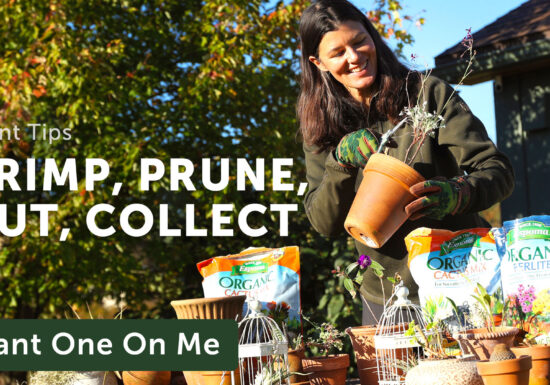
When the mornings turn chilly and frost threatens, it’s time to bring your non-cold-hardy plants indoors. In this video, Summer Rayne Oakesdemonstrates how she gathers her Aloes, Pelargoniums, Euphorbias, air plants, and more, refreshing containers with Espoma Organic Cactus Mix, and Espoma Organic Perlite to help them settle in for the winter months.
Here are six quick tips to help you do the same.
1. Bring Plants In Before the First Freeze
Any tender plant—succulents, tropicals, Pelargoniums, air plants—needs to move indoors once nighttime temperatures dip into the 30s and low 40s °F. Cold snaps can damage foliage fast.
2. Check for Pests and Outdoor Debris
Before carrying your plants inside, give them a quick inspection:
Look for ants or insects in the soil
Remove spent leaves
Trim away any mushy or damaged growth
This keeps your indoor environment clean and your plants stress-free.
3. Give Overgrown Plants a Gentle Trim
A light haircut helps plants transition into winter dormancy. Summer trims her Pelargoniums to remove dead growth and tidy the shape, making them easier to overwinter.
4. Refresh Soil With a Fresh Organic Potting Mix
After a full season outdoors, potting soil can become compacted, washed out by rain, or depleted of nutrients. Refreshing the top few inches—or fully repotting—gives plants the clean, breathable foundation they need to stay healthy indoors.
For most houseplants, reach for Espoma Organic All-Purpose Potting Mix. It’s rich, airy, and packed with organic ingredients that support strong roots through winter.
Summer uses Espoma Organic Cactus Mix for her succulents because they need faster drainage and extra airflow around their roots. This helps prevent rot during the cooler months when succulents naturally take up less water.
Adding a scoop of Espoma Organic Perlite boosts drainage even more—great for Aloes, Agaves, and Euphorbias heading into low-light, low-growth winter conditions.
5. Repot or Divide Crowded Succulents
Aloes and other succulents often outgrow their pots by fall. Take a cue from Summer and divide offsets or repot into fresh soil so each plant has room to breathe indoors.
6. Feed Indoor Plants Through Winter
Even during slower growth, indoor plants still appreciate gentle nourishment. Use a high-quality organic liquid fertilizer—like Espoma Organic Indoor! —to keep roots strong and foliage healthy all winter long.
A little effort goes a long way!
A little trimming, a pest check, and a refresh with Espoma Organic potting soils and a little liquid fertilizer is all it takes to help your plants thrive indoors this winter.
https://www.espoma.com/wp-content/uploads/2025/11/Ep-431-Primp-Prune-collect-B.jpg10801920Matt Dauphinaishttps://www.espoma.com/wp-content/uploads/2023/05/espoma-logo340w-1.pngMatt Dauphinais2025-11-20 12:28:022025-11-20 12:28:02VIDEO: Bringing In Your Plants for Winter 🪴❄️ with Summer Rayne Oakes
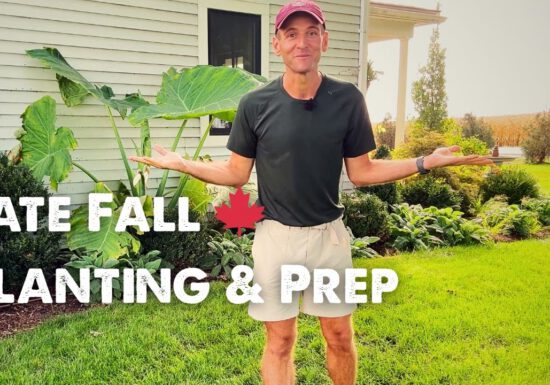
Fall might feel like the end of the gardening season, but as Kaleb from Wyse Guide shows, it’s actually a perfect time to plant and bring in your favorite tropical plants for the winter months.
In this project, Kaleb refreshes the front of his home with hydrangeas, using Espoma Organic Bio-tone Starter Plus to support strong root growth, then replants a massive elephant ear and pots it up in Espoma Organic Potting Mix so he can enjoy it again next year.
Kaleb’s late fall gardening tips:
1. Plant for Roots, Not Blooms Kaleb takes advantage of fall’s warm soil and cool air to give hydrangeas time to establish. Adding Espoma Organic Bio-tone Starter Plus helps new shrubs settle in quickly and build the strong root systems that lead to better growth next spring.
2. Build Healthy Soil & Keep Watering Hydrangeas thrive in rich, well-draining soil, so Kaleb amends where needed and uses drip irrigation to keep moisture consistent on his sunny, south-facing porch. Even with drip, he checks soil weekly and waters during fall—and even winter warm-ups—so new roots never dry out.
3. Store Tropicals to Enjoy Them Again Instead of letting frost take his elephant ear, Kaleb trims it back and pots it into Espoma Organic All-Purpose Potting Mix. Over winter, it rests indoors with minimal watering, ready to return outdoors next season.
Even as the season slows, there’s still so much you can do to care for your garden. A little fall planting, some root-focused feeding, and thoughtful winter storage of warm-season plants can set you up for an even more beautiful spring.
https://www.espoma.com/wp-content/uploads/2025/11/Bring.jpg7201280Matt Dauphinaishttps://www.espoma.com/wp-content/uploads/2023/05/espoma-logo340w-1.pngMatt Dauphinais2025-11-18 15:54:332025-11-18 15:54:33Final Fall Plantings & Tips for Bringing Plants Inside for Winter 🍁🪴 with Wyse Guide
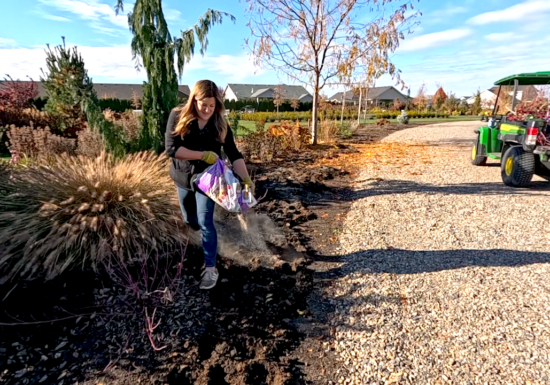
Laura from Garden Answer brings a burst of fresh autumn color to the garden! 🌻 She shares an update on her sunflowers, plants new boxwoods with Espoma Organic Bio-tone Starter Plus to help the roots establish naturally, and refreshes her fall containers with vibrant ornamental kale, rudbeckia, and pansies. Using Espoma Organic Potting Mix, Laura ensures every plant has the rich, healthy soil it needs to thrive this season.
Watch as Summer Rayne Oakes@flockfingerlakes tours a small, shrub-forward garden that’s brimming with enthusiasm—thanks to a few “thuggish” growers that love to spread. She shows how her garden beds were built with cardboard, compost, and Espoma Organic soils, and how planting densely with Espoma Organic Bio-tone Starter Plus helped everything establish beautifully. The result: a thriving space that just needs smart, seasonal management.
Summer’s Tips!
1) Decide the goal, then manage to match
Before you pull a single plant from your wild garden, define your vision. If shrubs are meant to be the stars, reduce anything blocking sightlines or competing for height. A clear goal makes every adjustment easier.
2) Build living soil from day one
Build a garden bed using organic soil like Espoma Organic Potting Mix, Raised Bed Mix, or All-Purpose Garden soil to create a rich rooting zone. Healthy soil grows resilient plants. Plan for light, regular maintenance.
3) Plant with a quality Starter Fertilizer for confident establishment
At planting, mix in Espoma Organic Bio-tone Starter Plus. Its slow-release nutrition, beneficial microbes, and mycorrhizal fungi help roots colonize quickly, reduce transplant stress, and set plants up for long-term success.
4) Manage early and often
Make quick passes a habit. Trim seed heads after bloom, thin young growth before it crowds, and lift runners that wander into paths. Small, frequent efforts prevent big overhauls later.
5) Read the site and group accordingly
Let the garden tell you what it wants. Moisture-loving plants often reveal wetter spots; cluster them there and relocate dry-site growers to sunnier, leaner areas. Use edging and pathways to reinforce boundaries.
6) Give energetic growers a job
Channel that vigor. Move fast spreaders to meadows, back corners, or containers where they can thrive freely. Use groundcovers as living mulch in designated zones, but keep stepping stones and entries clear for structure and flow.
Healthy soil and thoughtful plant management help any garden strike the right balance between wild and intentional. With organic soil building and mindful upkeep, you can enjoy a garden that’s full of life—and still beautifully under control.
https://www.espoma.com/wp-content/uploads/2025/10/Plant-Thugs-frame-000004.jpg10801920Matt Dauphinaishttps://www.espoma.com/wp-content/uploads/2023/05/espoma-logo340w-1.pngMatt Dauphinais2025-10-22 17:18:222026-01-06 13:11:55Video: How to Manage a Wild Garden with Summer Rayne Oakes 🌿🌸