Espoma Organic
  • Products
    • Close
    • Product Line Overview
    • Plant food finder
    • Garden Fertilizers
    • Potting Soils
    • Lawn Fertilizers
    • Liquid Fertilizers
    • Single Ingredients
    • Conventional Plant Foods
    • Animal Care Products
  • Where to Buy
  • Our Story
    • Close
    • Our Story
    • Locations
    • Historical Timeline
    • Our Commitment
    • Directions
    • Solar
    • Join our Team
    • Espoma Brand Partners
  • Learn
    • Close
    • Espoma Blog
    • FAQ’s
    • Pocket Guide
    • Espoma Guides
    • Garden Clubs
    • Safe Paws Lawn
    • PRODUCT FACT SHEETS
    • Fertilizer Fundamentals
      • Close
      • Understanding Plant Nutrition
      • Reading Labels
      • Choosing the Right Type of Fertilizer
      • Terms & Definitions
    • Gardening Projects
    • Resource Links
  • Contact Us
  • Menu Menu

How to Care for Ferns 🌿 | Growing Joy with Maria
December 22, 2025/in Blog, Growing Joy with Maria

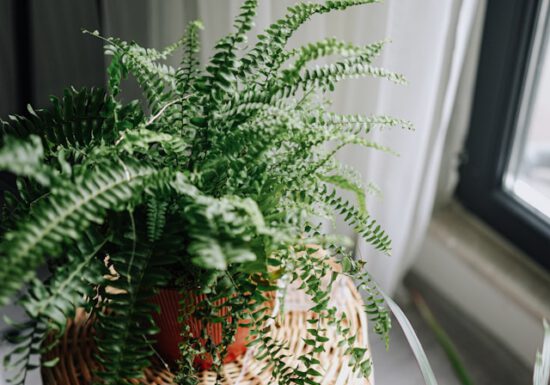
Many plant lovers have killed Boston ferns and sworn off ferns as houseplants, but little do they know that the secret is adding the right ferns to your collection and not the wrong ones.

This blog is inspired by Episode 243 of Growing Joy with Plants Podcast, where Maria talks about fern care, varieties that grow indoors, and simple ways to keep them looking their best.

Why Ferns Are Worth Another Try

Ferns have been around for millions of years, and they date back to prehistoric times. For a plant to survive decade after decade, it needs to be resilient, so it has adapted to changing environments and climates.

In fact, there’s a funny meme where the top picture is a fern growing out of a crack in a rock on the sidewalk, completely neglected, and is thriving, and the bottom photo is a fern indoors, in a pot, completely brown and shriveled. 

How to Care for Your Ferns

Best Light for Ferns: A great thing about ferns is that they’re a low-light-tolerant plant. They grow on the floor and in the shade. This makes ferns the perfect houseplant because we only have so much valuable real estate in our window sills, and most of our homes tend to be low-light.

How to Water Ferns: Your ferns do not want to dry out. Evenly moist soil is what is going to make ferns happy and avoid those crispy brown edges. Use glazed ceramic, plastic pots, or self-watering planters to ensure evenly moist soil. To extend your soil moisture by a few days, add a layer of sphagnum moss on top of the soil to slow down evaporation.

Choosing the Right Potting Mix for Ferns:
Soil plays a major role in fern success. Ferns need a potting mix that holds moisture while still allowing excess water to drain away. Starting with a high-quality mix like Espoma Organic Potting Mix helps maintain evenly moist soil and supports healthy root systems. Pairing the right soil with containers that have drainage holes makes watering more consistent and stress-free.

When planting or repotting ferns, mixing in Espoma Organic Bio-tone Starter Plus into the soil can help roots establish more quickly and reduce transplant stress, giving ferns a strong start in their new container.

Ferns need humidity: Any of the ferns that have super delicate, thin fronds (maidenhair ferns, heart leaf ferns, and some Boston ferns) are going to need high humidity (60% to 80%). ​​Put them in a terrarium or under a glass cloche, or keep them near a humidifier.

How to fertilize ferns: Ferns don’t need a ton of fertilizer, which makes Espoma Organic Indoor! Liquid Fertilizer the perfect liquid plant food for it. It’s super gentle and should be used when you see new growth on your plants.

Don’t be afraid to prune ferns: Ferns are like a pet that needs to be groomed occasionally. No matter how humid your home is, you’ll have fronds that turn brown, and you should feel free to remove them. 

Which Ferns Are Difficult to Grow?

Maidenhair ferns and Heart Leaf ferns are challenging to grow. They need so much humidity to grow and such evenly moist soil. They don’t leave a lot of room for error.

Which Ferns Are Best for Beginners?

Bird’s Nest Fern – The leaves are thicker, more succulent, more hearty. The leaves stick out horizontally and cover the soil, so it’s harder for the soil to dry out.

Rabbit’s Foot Fern – This is a super fun fern that has fuzzy rhizomes that grow on top of the soil that look like little rabbit’s feet.

Boston or Lemon Button Fern – This is one of the hardier ferns. It’s very resilient, so if it does get dried out and turns brown, just cut the entire top off, and it’ll just grow back.

Staghorn Fern – Because they’re “epiphytic” and grow on trees, they are a little bit more tolerant of drying out than other ferns. These are commonly mounted on wooden boards, but you can grow them in potting mix.

Troubleshooting Common Fern Problems

Browning on every frond – likely a humidity issue (or underwatering). 

Yellow leaves – usually a sign of overwatering. Make sure your pots have drainage holes, and the soil isn’t staying super wet.

Brown spots – could indicate low humidity or sensitivity to water minerals (use filtered water or distilled water). Fern spores also look like small brown spots, so they could be an indicator of a happy plant!

Balding (patchy, thinning appearance) – likely means the fern needs more light.

Are You Ready to Try Growing Ferns?

Moist soil and humidity are the name of the game. Keep ferns where you’ll see them every day. Use the right pots. Remember, these plants have survived for millions of years. They’re tougher than they look!

Recommended Espoma Organic Products for Fern Success

Choosing the right products can make fern care much easier. These Espoma Organic essentials support healthy roots, consistent moisture, and gentle feeding so your ferns can thrive indoors or out.

Espoma Organic Indoor! Liquid Fertilizer
A gentle liquid plant food ideal for houseplants like ferns. Use during active growth to provide nutrients without the risk of burning.

Espoma Organic Potting Mix
Designed to retain moisture while still draining well, this mix helps create the evenly moist soil conditions ferns need.

Espoma Organic Bio-tone Starter Plus
Best used when planting or repotting, this microbial-rich formula supports root development and helps reduce transplant stress.

Espoma Organic Holly-tone (for Outdoor Ferns)
For in-ground or outdoor ferns that prefer slightly acidic soil, Holly-tone provides slow-release nutrition and supports long-term soil health when used according to label directions.

*****

Featured Products:

Espoma Organic Holly-toneEspoma Organic Bio-tone Starter Plus Bag Image Espoma Organic Potting Mix Espoma Organic Indoor! liquid fertilizer


Where to Buy


https://www.espoma.com/wp-content/uploads/2025/12/ahmed-xHSzP8XlHkk-unsplash.jpg 960 640 Matt Dauphinais https://www.espoma.com/wp-content/uploads/2023/05/espoma-logo340w-1.png Matt Dauphinais2025-12-22 15:41:322025-12-22 15:41:35How to Care for Ferns 🌿 | Growing Joy with Maria

How to Care for Alocasia | Growing Joy with Maria

August 5, 2025/in Blog, Growing Joy with Maria, Indoor Gardening

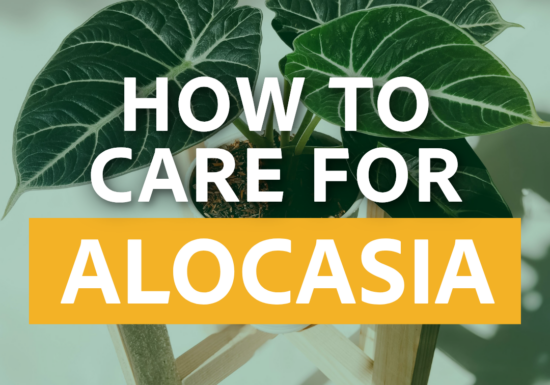
Do you think it’s difficult to care for Alocasia? They are so easy to fall in love with because of their alien-like leaves and colors, but many plant parents feel confused when they suddenly drop leaves or look unhappy. This is particularly true if you’re not a Mindful Plant Parent (find your Plant Parent Personality Here). But the answer is no. Alocasia isn’t a difficult plant; it’s just particular. 

This blog is inspired by Episode 219 of the Growing Joy with Plants podcast with Maria Failla. After years of trial and error, she finally cracked the code on keeping Alocasia alive indoors, and now you can too.

Why So Many People Struggle with Alocasia

Alocasia isn’t “difficult.” It just has high standards. They are native to Southeast Asian rainforests, so they are used to high humidity, indirect light, and evenly moist soil. So most modern homes are not exactly a match. But if you can recreate that environment indoors, your Alocasia will gift you with its stunning leaves that you see all over Pinterest and social media..

How to Care for Alocasia

1) What light do Alocasia need?

Alocasia like bright indirect light

Bright, Indirect Light

This means “filtered sunlight,” not direct rays. Alocasias prefer to be a few feet from a sunny window or under a grow light. If it’s only holding onto 2 to 3 leaves, that’s a sign it’s starving for more light.

2) How often should I water an Alocasia?

Alocasia like even moisture

Keep the soil evenly moist at all times.

Alocasia like even moisture, so make sure you’re using quality organic soil like Espoma Organic Potting Mix. Let only the top inch dry out before watering. It stores water in little tuber-like roots that look like mini potatoes, so don’t be alarmed when you see them while repotting!

3) What type of humidity does my Alocasia need?

Alocasia like 50% to 70% humidity

High Humidity is Everything

Crispy tips? Curling leaves? That’s low-humidity talking. Alocasia loves 50%–70% humidity, which is achievable with a humidifier, a grouped plant setup, or a closed terrarium. Note that misting is not enough and can even cause fungal issues.

4) When do I fertilize my Alocasia? 

Fertilizer with Espoma Organic Indoor! liquid plant food

Fertilize When It’s Growing

Whenever new leaves appear, it’s time to feed. You can feed them using Espoma Organic Indoor! liquid plant food for greener leaves! Simply dump a capful into your watering can. Many Alocasia under grow lights continue growing through winter, so adjust your fertilizer routine to match the plant and not the calendar.

5) Do Alocasia go dormant? 

Not exactly….In winter, Alocasia may drop a few leaves. This is a natural rest period (also known as quiescence) and not a full dormancy. So don’t freak out if you see a few yellow or dropped leaves come wintertime. It’s natural.

Troubleshooting Common Alocasia Problems


1) Why does my Alocasia have yellowing leaves? 

Yellow leaves on Alocasia are likely due to overwatering. Trim the leaf and let the soil dry slightly before watering again.

2) Why is my Alocasia drooping or wilting?

Drooping or wilting is likely due to underwatering, overwatering, or low humidity.

3) Why can’t my Alocasia grow more than 3 leaves at a time?

It likely needs more light to support a larger leaf system..

4) Why are the edges of my Alocaisa leaf crispy and brown? 

This is usually due to dry air and humidity.

Favorite Alocasia Varieties to Try

If you’re ready to bring one home, here are the top picks for you:

  • Alocasia Ninja – almost black leaves with bold stripes.
  • Alocasia Cuprea (Red Secret) – copper-toned leaves with deep purple backs.
  • Alocasia Dragon Scale – pale green leaves with deep veining!
  • Alocasia Polly (African Mask) –  small, classic that you’ll see in so many garden centers.
  • Alocasia Lola – taller than Polly
  • Alocasia Watsoniana (White Vein) – Glossy leaves with striking white veins.
  • Alocasia Stingray – wild, tail-shaped leaves that really do look like a stingray.

The Alocasia isn't difficult to grow, give it a try! (graphic)

Give Alocasia a Try

The Alocasia is a diva… in the best way. It isn’t impossible to care for, but it just wants what it wants. Give it good light, humidity, and care, and it will grow and give you stunning leaves and be the envy of all your plant friends! Think of it as a little green alien that just needs the right home environment to feel at peace.

Listen to episode 209 of the Growing Joy with Maria Podcast

To learn more about Alocasia care, listen to Episode 219 of the Growing Joy with Plants podcast, all about Alocasia, with Maria Failla.

Learn more about Growing Joy with Maria:

🪴🌿 Website

🪴🌿 Facebook

🪴🌿 Instagram

🪴🌿 YouTube


Featured Products:

Espoma Organic Indoor! liquid fertilizer Espoma Organic Potting Mix


Where to Buy

https://www.espoma.com/wp-content/uploads/2025/08/Alocasia-1.png 1080 1080 Matt Dauphinais https://www.espoma.com/wp-content/uploads/2023/05/espoma-logo340w-1.png Matt Dauphinais2025-08-05 13:05:412025-08-05 13:05:41How to Care for Alocasia | Growing Joy with Maria

Growing Joy with Maria Blog: Fall Gardening Tips

September 18, 2023/in Blog, Bloom and Grow Radio, Fruits & Vegetables - None, Growing Joy with Maria, Growing Joy with Maria

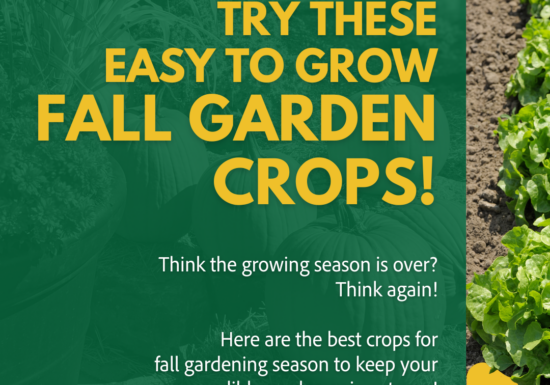
For many gardeners, the arrival of fall means the end of the growing season. Once the weather turns cool, it’s easy to assume that it’s time to clear out the vegetable garden and put the tools away until spring. However, fall is actually an ideal time for gardening! You can extend your productive garden season into the cooler months with simple preparations and proper plant choices.

This blog is inspired by Episode 161 of Growing Joy with Maria Podcast, where host Maria Failla talks about how to keep your edible garden going strong into fall with our go-to organic gardening expert, Joe Lamp’l. His latest book, The Vegetable Gardening Book, is a complete guide to growing an organic edible garden from seed to harvest.

When to Plant Your Fall Garden

Surprisingly, plants that like the cold actually need to be planted while it’s still warm outside! This is the perfect opportunity to prepare your garden beds using Espoma Organic Garden Soil, ensuring that your plants have the best possible start.

If you plant them in August or July, they can get comfy in the warm soil. As they grow bigger, the weather gets cooler—which is precisely the environment they thrive in. It’s important to plant them early enough in the fall so they have ample time to mature before the days become shorter. If you wait too long, they might stop growing and remain at a certain stage.

Here’s the cool part: When these plants get a touch of frost, they turn sweeter. The chemical reactions triggered by frost cause sugars within the plants to become more prominent, resulting in a sweeter taste. It’s like they have a flavor makeover! 

Here are some specific timeframes for planting popular fall veggies:

  • Lettuce, spinach, arugula – Plant every 2 to 3 weeks from late summer through early fall.
  • Radishes, kale, beets – Sow from mid-summer to early fall.
  • Peas – Plant as soon as summer crops finish since peas don’t handle frost well.
  • Garlic – Plant garlic cloves in late fall about 6 to 8 weeks before the ground freezes.

Best Crops for Fall Gardening

While frost renders warm-weather favorites like tomatoes and peppers useless, many vegetables actually thrive in cooler temperatures. Focus your fall planting on these cold-hardy, tasty options:

Lettuce

Lettuce is one of the easiest vegetables to grow in fall, thanks to its love of light, or being “photoblastic.” Simply sprinkle the tiny seeds onto the soil’s surface  (Espoma Organic’s Potting Mix is a great choice here), keep them moist, and young seedlings will emerge within a couple of days. The chilly autumn nights prevent lettuce from bolting or forming flower stalks prematurely.

Kale

This superfood green becomes even more nutritious after being exposed to frost, which causes it to convert starch into sugar. That makes fall-grown kale incredibly sweet and flavorful compared to the bitter reputation it garners. It’s also one of the most cold-tolerant vegetables, lasting through winter in many regions.

Spinach

Like kale, spinach responds to cold conditions by producing more sugars. While spinach seeds can be tricky to germinate, the plants readily tolerate freezing weather. Choose “overwintering” spinach varieties to grow them in the winter months.

Beets

Beets are root vegetables that do well in the fall and are Joe’s favorite fall plants. They have an earthy flavor that some people may find off-putting, but there are now varieties available that offer all the qualities of beets you know and love, minus the strong earthiness.

Radishes

Radishes grow crisp and rapid in the fall, ready to harvest in as little as 30 days. Succession plant them every week or two for a steady supply throughout the season.

Peas

Peas make for an excellent fall crop. They become very sweet, but keep a close eye: they aren’t as frost-tolerant as other vegetables. 

Garlic

Garlic is typically planted in November before the ground freezes. Not only is it everyone’s favorite flavor in sauces, soups, stir-fries, roasted dishes, and garlic scape pesto—but it also serves as a great pest-deterrent! Garlic is resilient and can be grown ornamentally.

Carrots

Carrots require good soil and care during germination. They should be kept moist and cool until they sprout. There is a risk of underground splitting if they encounter obstacles, but using fertilizers like Espoma Organic Biotone Starter Plus can prevent this.

Other plants to consider:

  • Brussel sprouts
  • Arugula
  • Kohlrabi
  • Cabbage

Why “Think Like a Plant”

Even experienced gardeners like Joe Lamp’l run into problems with pests, diseases, or environmental factors impacting their plants. When something goes wrong in your garden, he recommends first taking a step back (rather than blaming it on, say, cool weather).

He suggests putting yourself in the plant’s position, which is a concept Joe likes to call “planthrophormizing.” Observe its symptoms closely, then deduce what factors might be causing them. Is the plant wilting from under or overwatering? Do chewed leaves indicate pests? Are yellowed lower leaves a sign of nutrient deficiency? In such cases, Espoma’s line of organic fertilizers can be a solution, helping replenish essential nutrients and restore plant health.

Fall Gardening Mindset

In addition to crop selection and timing, Joe spoke about shifting your mindset when it comes to fall gardening. So take a minute to relax: This is a chance to slow down and decrease the intensity after the long summer months. 

Many fall vegetables like lettuce and radishes mature much quicker, in 30 to 60 days, so the stakes are lower than starting a long-season crop like tomatoes or peppers. For gardeners who dealt with challenges and setbacks in the summer, fall is an opportunity to learn from mistakes and try again with a new perspective.

Start small, keep it simple, and don’t overcomplicate things.


With the right mindset and plant choices, you can enjoy fresh homegrown produce from your garden into late fall or early winter. Follow these tips to make the most of the fall gardening season. No need to put those tools away just yet!


Featured Products:


Where to Buy


https://www.espoma.com/wp-content/uploads/2023/09/Espoma-Fall-Gardening-Tips-Fall-Crops.png 1080 1080 Matt Dauphinais https://www.espoma.com/wp-content/uploads/2023/05/espoma-logo340w-1.png Matt Dauphinais2023-09-18 11:38:202023-09-18 11:38:20Growing Joy with Maria Blog: Fall Gardening Tips
Where to Buy

Get News & Updates

Recent Posts

  • VIDEO: Planting the Last Bulbs of the Season with Garden Answer
  • How to Care for Ferns 🌿 | Growing Joy with Maria
  • VIDEO: One Last Autumn Stroll 🍁🍂 with Summer Rayne Oakes
  • VIDEO: How to Plant Spring Bulbs in Containers 🌱🌷 with Garden Answer
  • VIDEO: Bringing In Your Plants for Winter 🪴❄️ with Summer Rayne Oakes

Tags

All-Purpose Potting Mix bio-tone Bio-tone Starter Bio-tone Starter Plus Cactus Mix caring for houseplants Container Gardening DIY project Espoma espoma grown espoma organic Espoma Organics Espoma Video fall gardening Family fert flower garden flowers garden Garden Answer Gardening gardening tips gardens grow holly-tone houseplants Indoor! indoor gardening indoor plants Kaleb Wyse organic organic fertilizer Organic Gardening organic plant food Organic Potting Mix Outdoor Gardening Planting plants Potting Mix potting soil Spring Gardening summer rayne oakes vegetable garden Vegetable Gardening Wyse Guide

Espoma. A Family Tradition Since 1929.

Espoma Organic logo
  • Espoma Dealer
  • Espoma Pro
  • Garden Club
  • Privacy Policy

Scroll to top