Espoma Organic
  • Products
    • Close
    • Product Line Overview
    • Plant food finder
    • Garden Fertilizers
    • Potting Soils
    • Lawn Fertilizers
    • Liquid Fertilizers
    • Single Ingredients
    • Conventional Plant Foods
    • Animal Care Products
  • Where to Buy
  • Our Story
    • Close
    • Our Story
    • Locations
    • Historical Timeline
    • Our Commitment
    • Directions
    • Solar
    • Join our Team
    • Espoma Brand Partners
  • Learn
    • Close
    • Espoma Blog
    • FAQ’s
    • Pocket Guide
    • Espoma Guides
    • Garden Clubs
    • Safe Paws Lawn
    • PRODUCT FACT SHEETS
    • Fertilizer Fundamentals
      • Close
      • Understanding Plant Nutrition
      • Reading Labels
      • Choosing the Right Type of Fertilizer
      • Terms & Definitions
    • Gardening Projects
    • Resource Links
  • Contact Us
  • Menu Menu

Tag Archive for: strong root development

VIDEO: Planting Spring Bulbs in Containers 🪴🌷 with Summer Rayne Oakes

January 6, 2026/in Blog, Bulbs, Espoma Videos, Summer Rayne Oakes

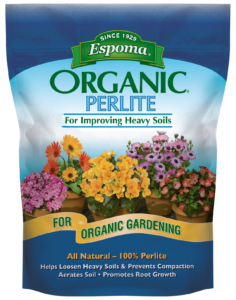
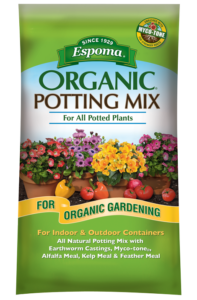
When the garden beds are resting, container gardening keeps the joy of planting alive. In a recent video on her Flock Finger Lakes channel, Summer Rayne Oakes shows how she extends the season by layering spring-flowering bulbs in containers, tucked inside her chicken and duck run. Using Espoma Organic Potting Mix and Espoma Organic Perlite, Summer creates a well-draining, root-friendly environment that helps bulbs overwinter successfully and burst into bloom come spring.


Summer’s Top 3 Tips for Planting Bulbs in Containers

1. Start with a High-Quality, Well-Draining Soil Mix

Healthy bulbs begin with the right foundation. Summer uses Espoma Organic Potting Mix as her base because it’s lightweight, rich in organic matter, and formulated specifically for container gardening. It holds just the right amount of moisture while still allowing excess water to drain away—critical for preventing bulb rot during winter storage.

To further improve drainage, she blends in Espoma Organic Perlite, which keeps the soil loose and airy. This extra oxygen around the bulbs encourages strong root development and helps containers handle fluctuating winter and spring conditions.

2. Layer Bulbs

One of Summer’s favorite techniques is layering bulbs by size and bloom time. Larger, later-blooming bulbs like tulips and daffodils go deeper in the pot, while smaller, early bloomers like snowdrops are placed closer to the surface. This creates a succession of blooms from early to late spring—all in one container.

Planting bulbs a bit closer together in containers also creates a fuller, more impactful display, making pots look lush when they come into flower.

3. Protect Containers While Letting Them Chill

Bulbs need a cold period to bloom, and Summer’s chicken and duck run doubles as a cold greenhouse thanks to added panels. Containers stay protected from harsh weather while still experiencing natural temperature changes. A light soil topper can also help discourage curious critters from digging, especially when overwintering bulbs in shared garden spaces.
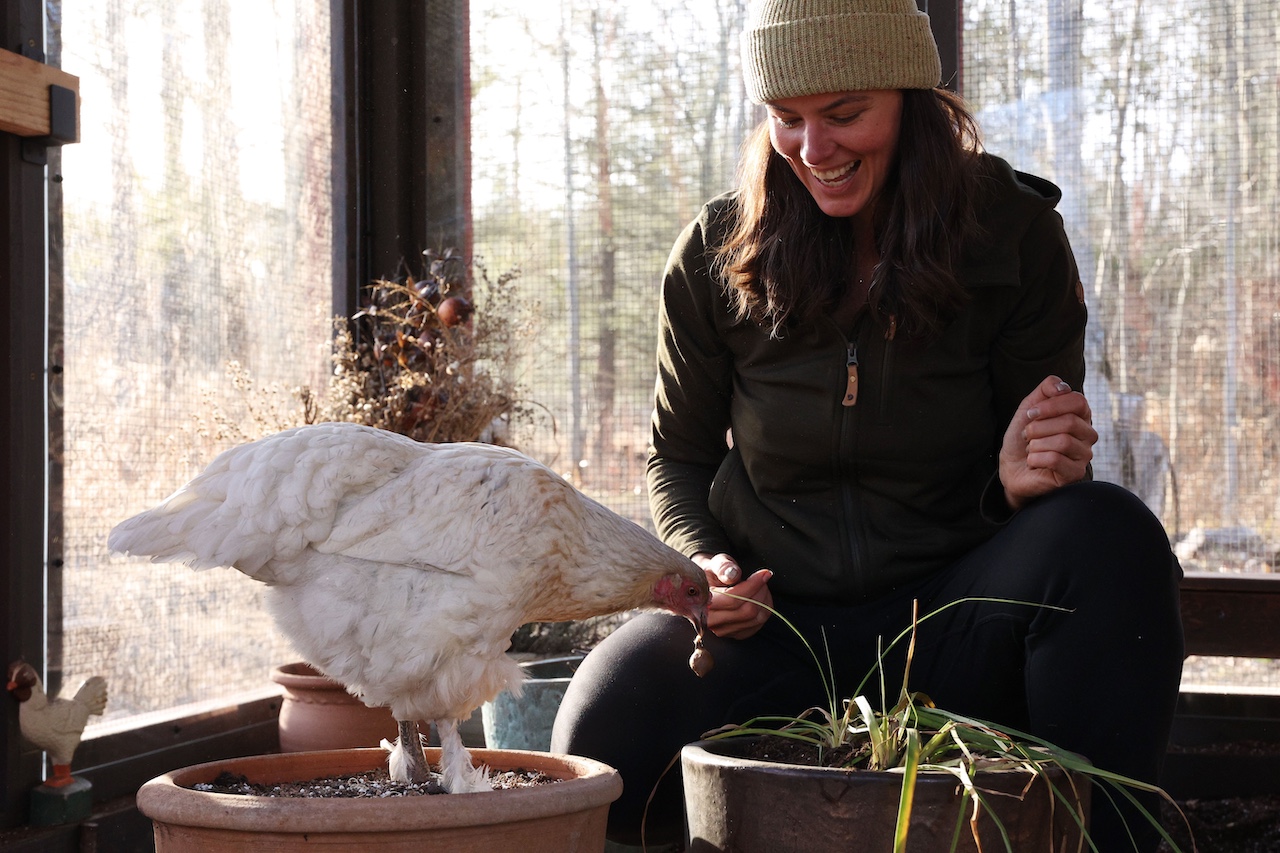
Summer Rayne Oaks Planting spring bulbs in a container with a chicken

Let’s Get Growing

Layering bulbs in containers is a simple, rewarding way to extend the gardening season and enjoy months of spring color. With Espoma Organic Potting Mix and Espoma Organic Perlite, you’re giving bulbs the well-draining, nutrient-rich environment they need to thrive—naturally.

*****

Learn more about Flock Finger Lakes here:

Website: flockfingerlakes.com

Instagram – @flockfingerlakes

YouTube –Flock Finger Lakes

X – @flockny

Facebook –Flock Finger Lakes

Featured Products:
Espoma Organic Potting Mix Espoma Organic Perlite


Where to Buy

https://www.espoma.com/wp-content/uploads/2026/01/Bulbs-with-Chickens-IMG_6466-1.jpeg 853 1280 Matt Dauphinais https://www.espoma.com/wp-content/uploads/2023/05/espoma-logo340w-1.png Matt Dauphinais2026-01-06 13:45:242026-01-06 13:45:24VIDEO: Planting Spring Bulbs in Containers 🪴🌷 with Summer Rayne Oakes

VIDEO: How to Plant Spring Bulbs in Containers 🌱🌷 with Garden Answer

December 9, 2025/in Blog, Bulbs, Container Gardening, Espoma Videos, Garden Answer

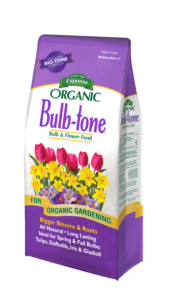
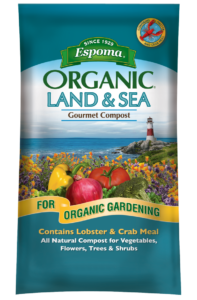
Laura from Garden Answer shows how to plant spring-blooming bulbs in large containers for a big, colorful show next season. She fills eight pots with Menton tulips and Spanish bluebells, feeding them with Espoma Organic Bulb-tone and then topdressing with Espoma Organic Land & Sea Compost to refresh the tired soil and support strong, natural growth.

The Planting Plan: A “Bouquet” in Every Pot

Laura creates a layered “bouquet” effect in each container:

  • Center: Menton tulips
  • Outer edge: Spanish bluebells

Both bloom late in the season, so the colors overlap beautifully. Spanish bluebells grow about 14–18″ tall, while Menton tulips reach 23–25″, giving each pot a soft, tiered look. Planting in raised containers keeps everything at waist height, which makes bulb planting much easier than digging in the ground.

Step-by-Step: How Laura Plants Her Bulb Containers

1. Prepare the Container

Laura removes soil down to about 6 inches deep. This makes room for the first layer of bulbs and ensures they’re planted at the proper depth.

2. Amend the Soil with an Organic Fertilizer

Before placing any bulbs, she sprinkles Espoma Organic Bulb-tone into the container.

Why it helps:

  • Provides slow-release, organic nutrition right where roots grow.
  • Encourages strong root development, which is key for bulbs to overwinter and bloom well.
  • Gentle, natural formula that’s safe for people, pets, and pollinator-friendly gardens when used as directed.

3. Plant Tulips “Shoulder to Shoulder”

Menton tulip bulbs go in first at 6 inches deep, planted:

  • Pointy side up, flat side down.
  • Very close together—“shoulder to shoulder”—rather than spaced as they would be in the ground.

This tight spacing lets her fit about 100 tulip bulbs per pot, creating a dense, show-stopping spring display.

4. Add Spanish Bluebells

She covers the tulips with a couple of inches of soil, then plants the Spanish bluebells in a ring around the outer edge at about 4 inches deep. Bluebell bulbs look a bit different, but the rule still applies: roots down, growth point up.

5. Add compost

Because the potting mix has been used before and is showing roots and wear, Laura doesn’t just add more regular soil. Instead, she topdresses each container with Espoma Organic Land & Sea Compost.

Why it helps:

  • Adds rich organic matter back into tired soil.
  • Improves soil structure and moisture retention, which bulbs love.
  • Supplies a gentle nutrient boost from premium ingredients like lobster and kelp meal, helping bulbs grow strong and bloom beautifully.

6. Water Thoroughly

After planting and topdressing, Laura waters each container deeply.

Her key watering tip:

  • Aim for even moisture across the entire soil surface, not just one side of the pot.
  • In winter, check containers every 2–3 weeks. The goal is soil that’s slightly moist, never soggy, and never bone dry.

Bulb-Specific Tips for Container Success

Laura’s main bulb care reminders:

  • Chill time matters:
    • Tulips and daffodils generally need 12–16 weeks of consistent cold (around 35–45°F).
    • Hyacinths often need 8–10 weeks; crocus and snowdrops around 6–8 weeks.
  • Mild climate? Go pre-chilled:
    If you garden in a warmer region, order pre-chilled bulbs so they arrive ready to plant and still bloom well.
  • Drainage is essential:
    Containers must have drainage holes so bulbs don’t sit in water and rot. In very wet climates, you may need to protect pots from constant rainfall; in dry climates, remember to water occasionally.

With the right chill, good drainage, consistent moisture, and organic nutrition from Bulb-tone and Land & Sea Compost, these containers are now set up for a spectacular spring show—naturally.

*****

Learn more about Garden Answer: 

🪴 YouTube

🪴 Website

🪴 Facebook

🪴 Instagram

Featured Products:

Featured Products:

Espoma Organic Bulb-tone bag Espoma Organic Land and Sea Espoma Organic Potting Mix bag


Where to Buy

https://www.espoma.com/wp-content/uploads/2025/12/Espoma_1225_BulbTone_Thumbnail-copy.jpg 1080 1920 Matt Dauphinais https://www.espoma.com/wp-content/uploads/2023/05/espoma-logo340w-1.png Matt Dauphinais2025-12-09 16:44:432025-12-23 09:58:46VIDEO: How to Plant Spring Bulbs in Containers 🌱🌷 with Garden Answer

VIDEO: Planting Hydrangeas 🌸 with Wyse Guide

September 23, 2025/in Blog, Espoma Videos, Flowers, Kaleb Wyse

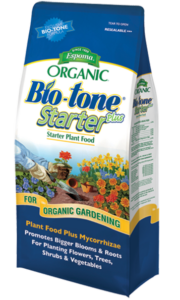
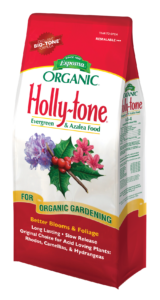
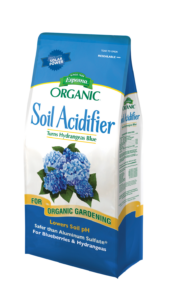
When it comes to hydrangeas, every gardener dreams of full, colorful blooms that light up the landscape. Watch as Kaleb Wyse of Wyse Guide shares how he plants and transplants hydrangeas in his Iowa garden. He walks us through his process step by step—using Espoma Organic Bio-tone Starter Plus to help roots establish, Espoma Organic Holly-tone to feed acid-loving plants, and how using Espoma Organic Soil Acidifier can create the perfect conditions for iconic blue blooms.

Here are six top tips and takeaways from Kaleb’s hydrangea planting project:

1. Choose the Right Variety for Your Climate

Not every hydrangea will thrive just because it’s rated for your USDA zone. Kaleb explains how some bigleaf hydrangeas struggled in his area, so he swapped them for hardier Seaside Serenade Cape Cod hydrangeas, better suited for his Zone 4 garden. Always match your plant choice to both your climate and the light conditions in your garden.

2. Protect Roots During Transplanting

Whether moving a shrub or planting a new one, Kaleb emphasizes the importance of keeping the root ball intact to reduce transplant shock. He carefully lifts and moves hydrangeas with as much surrounding soil as possible, ensuring minimal stress on the plant. 

3. Always Plant with a Good Organic Starter Fertilizer

Every hydrangea Kaleb plants gets a helping of Espoma Organic Bio-tone Starter Plus in the hole. Packed with beneficial microbes and mycorrhizae, Bio-tone encourages strong root development and helps plants adapt quickly to their new home. As Kaleb puts it, he treats transplants like brand-new plants—and Bio-tone gives them the best start possible.

4. Feed with Fertilizer for Acid-Loving Plants

Hydrangeas love soil on the acidic side. That’s why Kaleb sprinkles in Espoma Organic Holly-tone, a slow-release organic fertilizer crafted specifically for acid-loving plants like hydrangeas, azaleas, and blueberries. Holly-tone not only provides balanced nutrition but also contains elemental sulfur to help gently acidify soil over time.

5. Adjust Soil pH 

If your soil isn’t naturally acidic, hydrangeas may need a little extra help. Kaleb mentions how his soil leans neutral, so he often turns to Espoma Organic Soil Acidifier. Made from natural sulfur, it safely lowers soil pH, creating the right conditions for healthier growth and, in the case of bigleaf hydrangeas, can even shift blooms from pink to blue.

6. Prioritize Drainage and Consistent Moisture

Hydrangeas thrive in soil that’s both well-draining and consistently moist. Kaleb demonstrates checking drainage by filling the planting hole with water. If it drains well, you’re set! He also reminds us that even established hydrangeas benefit from supplemental water during dry spells to keep blooms from wilting or scorching in summer heat.

You Can Do It!

Healthy soil, the right plant food, and a watchful eye on moisture make all the difference in hydrangea success. With Espoma Organic Bio-tone Starter Plus, Holly-tone, and Soil Acidifier in your toolkit, you’ll be well on your way to lush, colorful hydrangea blooms—year after year.

*****

Featured Products:

Espoma Organic Bio-tone Starter Plus Bag Image Espoma Organic Holly-tone Espoma Organic Soil Acidifier Bag


Where to Buy

https://www.espoma.com/wp-content/uploads/2025/09/Planting-Hydrangeas.jpg 720 1280 Matt Dauphinais https://www.espoma.com/wp-content/uploads/2023/05/espoma-logo340w-1.png Matt Dauphinais2025-09-23 11:51:362025-09-23 11:51:36VIDEO: Planting Hydrangeas 🌸 with Wyse Guide

VIDEO: Planting A Shade Garden 🌿 with Wyse Guide

August 13, 2025/in Blog, Espoma Videos, Gardening, Kaleb Wyse

Whether you’re working with dry shade or full sun, Kaleb Wyse of Wyse Guide proves that every pocket of your garden can thrive with the right planning—and a little help from Espoma Organic.

In his latest video, Kaleb brings us along as he refreshes his shade beds and layers in new perennials in full-sun areas, showing how he builds textured, healthy spaces across his Iowa homestead. He’s not just planting—he’s feeding the soil and supporting every root with care.

Kaleb’s shade garden is a great example of adapting to conditions. Not all shade is the same—some spots, often under large trees, are dry shade, where roots compete for moisture and soil drains quickly. Other shady areas, like low spots or places near downspouts, hold more water, creating wet shade. Kaleb’s property has dry shade under mature maple and crabapple trees, so he selects plants that can handle lower moisture while still brightening dim areas.

To get his new additions off to the best start, Kaleb relies on Espoma Organic Bio-tone Starter Plus, his go-to for all new plantings. For hostas and other acid-loving favorites, Espoma Organic Holly-tone is also in his toolkit, enriching the soil with just the right nutrients for long-term success.

🌿 Kaleb’s Top Tips for Planting Success

1) Water Before You Plant
Always begin with a well-watered root ball so plants adjust quickly and absorb water efficiently post-planting.

2) Use a high-quality organic Starter Fertilizer
“It’s like planting insurance!” Kaleb says. He sprinkles Espoma Organic Bio-tone Starter Plus in every hole to encourage strong root development and minimize transplant shock.

3) Only Disturb Roots When Necessary
If roots aren’t bound tightly, skip scarification. Gentle handling helps reduce stress.

4) Embrace Compost—Even Last Year’s Leaves
Kaleb layers homemade compost—or a high-quality mix like Espoma Organic Land & Sea Gourmet Compost, a rich blend of natural ingredients enhanced with lobster and crab shells—right over last year’s fallen leaves. This creates a living mulch that enriches the soil naturally and builds long-term garden health.

5) Group Plants in Odd Numbers
Repeating clusters of five or seven create harmony and visual rhythm, especially in larger beds.

6) Prioritize Soil Coverage
From epimedium to hosta to Agastache, Kaleb aims for dense plantings that naturally suppress weeds and conserve moisture.

Ready to Grow Like Kaleb?

If Kaleb’s video inspires one thing, it’s that soil health is at the heart of every thriving garden. Whether your shade is dry or wet—or your planting area is in full sun—start with rich compost, thoughtful watering, and organic support from Espoma, and your plants will thank you season after season.

Let’s get growing—whether you’re filling a shady nook or bringing a sunlit border to life.

*****

Learn More about Wyse Guide:

🪴 YouTube

🪴 Facebook

🪴 Instagram

🪴Website

Featured Products:

Espoma Organic Bio-tone Starter Plus Bag ImageEspoma Organic Holly-toneEspoma Organic Land and Sea


Where to Buy

https://www.espoma.com/wp-content/uploads/2025/08/Shade-Garden.jpg 720 1280 Matt Dauphinais https://www.espoma.com/wp-content/uploads/2023/05/espoma-logo340w-1.png Matt Dauphinais2025-08-13 12:03:002025-08-14 18:07:24VIDEO: Planting A Shade Garden 🌿 with Wyse Guide

VIDEO: Agave Repot & Care Tips 🪴 with Summer Rayne Oakes

July 22, 2025/in Blog, Container Gardening, Espoma Videos, Succulents, Summer Rayne Oakes

Follow along with Summer Rayne Oakes as she repots and cares for agave plants and succulents, including cold-hardy varieties that can withstand Zone 5 conditions (–20°F). She highlights the importance of using high-quality organic soils and fertilizers—like those from Espoma Organic—to help these resilient plants thrive.

Key Planting and Repotting Tips for Agave:

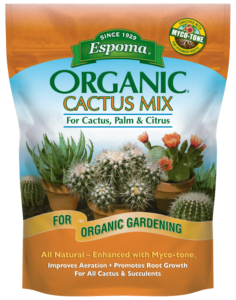
  • Soil Mix: Summer recommends blending Espoma Organic Cactus Mix with Espoma Organic Perlite and Espoma Organic Bonsai Mix to create a gritty, well-draining soil that helps prevent root rot.
  • Container Choice: Choose terracotta or fluted-edge pots to promote airflow and support strong root development.
  • Watering: Allow the soil to dry completely between waterings to prevent overwatering.
  • Fertilizing: Summer prefers high-quality organic fertilizer like Espoma Organic Cactus! Liquid Fertilizer for steady, healthy growth and vibrant plants.

Take a cue from Summer and give your agaves the best start with Espoma Organic.

*****

Learn more about Summer Rayne Oakes here:

Website: homesteadbrooklyn.com

YouTube: @summerrayneoakes

Facebook: facebook.com/homesteadbrooklyn

Instagram: instagram.com/homesteadbrooklyn


Featured Products:

Espoma Organic Cactus Mix Espoma Organic Bonsai Mix

Espoma Organic Cactus - organic Liquid Fertilizer


Where to Buy


https://www.espoma.com/wp-content/uploads/2025/07/Ep-413-Cold-Hardy-Agave-3.jpg 1080 1920 Matt Dauphinais https://www.espoma.com/wp-content/uploads/2023/05/espoma-logo340w-1.png Matt Dauphinais2025-07-22 12:27:222025-07-22 12:27:22VIDEO: Agave Repot & Care Tips 🪴 with Summer Rayne Oakes

VIDEO: Planting a Reblooming Lilac 🌸 with Garden Answer

June 18, 2025/in Blog, Espoma Videos, Garden Answer

Watch Laura from Garden Answer as she plants a reblooming lilac (Syringa x), a perfect focal-point shrub that offers multi-season interest with more than one flush of fragrant blooms.

For every planting, Laura recommends Espoma Organic Bio‑tone Starter Plus—a high-quality organic starter fertilizer that:

  • Promotes strong root development

  • Improves transplant success

  • Delivers long-lasting, soil-enriching microbes and Mycorrhizae

Lilacs are wonderfully adaptable, tolerating a range of soil pH levels, but they thrive in well-draining soil and full sun. With the right planting approach and a high-quality organic starter fertilizer like Bio-Tone Starter Plus, you’re set up for lots of beautiful blooms.

*****

Learn more about Garden Answer here:

YouTube

Website

Facebook

Instagram

Featured Products:

Espoma Organic Bio-tone Starter Plus Bag Image


Where to Buy

https://www.espoma.com/wp-content/uploads/2025/06/laura_lilac-copy.jpg 1920 1080 Matt Dauphinais https://www.espoma.com/wp-content/uploads/2023/05/espoma-logo340w-1.png Matt Dauphinais2025-06-18 16:00:282025-06-18 16:00:28VIDEO: Planting a Reblooming Lilac 🌸 with Garden Answer
Where to Buy

Get News & Updates

Recent Posts

  • VIDEO: Repotting in the Greenhouse with Garden Answer
  • VIDEO: How to Winterize Your Chicken Coop with Summer Rayne Oakes
  • VIDEO: Planting Spring Bulbs in Containers 🪴🌷 with Summer Rayne Oakes
  • VIDEO: Planting the Last Bulbs of the Season with Garden Answer
  • How to Care for Ferns 🌿 | Growing Joy with Maria

Tags

All-Purpose Potting Mix bio-tone Bio-tone Starter Bio-tone Starter Plus Cactus Mix caring for houseplants Container Gardening DIY project Espoma espoma grown espoma organic Espoma Organics Espoma Video fall gardening Family fert flower garden flowers garden Garden Answer Gardening gardening tips gardens grow holly-tone houseplants Indoor! indoor gardening indoor plants Kaleb Wyse organic organic fertilizer Organic Gardening organic plant food Organic Potting Mix Outdoor Gardening Planting plants Potting Mix potting soil Spring Gardening summer rayne oakes vegetable garden Vegetable Gardening Wyse Guide

Espoma. A Family Tradition Since 1929.

Espoma Organic logo
  • Espoma Dealer
  • Espoma Pro
  • Garden Club
  • Privacy Policy

Scroll to top