Espoma Organic
  • Products
    • Close
    • Product Line Overview
    • Plant food finder
    • Garden Fertilizers
    • Potting Soils
    • Lawn Fertilizers
    • Liquid Fertilizers
    • Single Ingredients
    • Conventional Plant Foods
    • Animal Care Products
  • Where to Buy
  • Our Story
    • Close
    • Our Story
    • Locations
    • Historical Timeline
    • Our Commitment
    • Directions
    • Solar
    • Join our Team
    • Espoma Brand Partners
  • Learn
    • Close
    • Espoma Blog
    • FAQ’s
    • Pocket Guide
    • Espoma Guides
    • Garden Clubs
    • Safe Paws Lawn
    • PRODUCT FACT SHEETS
    • Fertilizer Fundamentals
      • Close
      • Understanding Plant Nutrition
      • Reading Labels
      • Choosing the Right Type of Fertilizer
      • Terms & Definitions
    • Gardening Projects
    • Resource Links
  • Contact Us
  • Menu Menu

Tag Archive for: flower gar

Beginners Guide to Growing Cut Flowers

August 18, 2022/in Blog, Bloom and Grow Radio, Flowers

Beginners Guide to Growing Cut Flowers

Growing flowers in your garden can be as appealing as growing food, because not only are flowers beautiful, but they’re pollinator magnets. Let’s get into the basics of growing cut flowers. 

This blog is inspired by Episode 128 of Bloom and Grow Radio Podcast, where host Maria Failla interviewed Brooklyn Sherri, owner of Petal and Herb Farm.

Why Are Seed Packets Important? 

Seed packets can be crucial in helping you understand all the components that go into growing your cut flower garden. They provide information on when to plant, how long until germination, plant description, growing habits, how deep the seed should be planted, and helpful details on growth and harvesting. Make sure you do your homework on the seed company of your choosing to make sure they fit your needs. 

What Is My Growing Zone? 

Your growing zone helps you determine how long your frost-free growing season is. If you’re in the U.S., you can find your USDA plant hardiness zone by entering your zip code. 

Once you find your hardiness zone, you can also search for the last frost date in your zip code. Your first and last frost dates will show you how many frost-free growing days you have in a season. This can help you figure out when to plant each of your cut flower varieties. 

What Growing Conditions Do Flowers Need? 

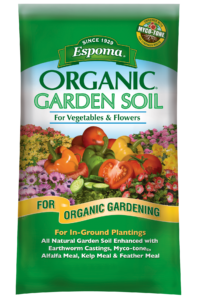
Most flowers prefer well-draining soil. If you’re starting with clay soil that tends to hold water, you want to amend it with compost or peat moss to provide more drainage. Additionally, you can mix in bagged garden soil, like Espoma’s Vegetable & Flower Garden Soil to add structure and drainage. 

Sun needs will also vary by flower, but a general rule is 6 hours of direct sun for flowers. Whether you’re direct sowing seeds outdoors or transplanting plants, make sure each variety is in a location with enough sun. 

Water requirements for annual flowers may be higher during Summer months, but in general, deep, infrequent watering is best. About one inch of water per week is enough. 

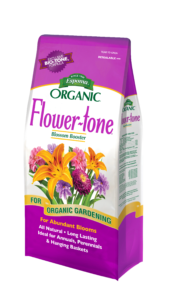
Fertilizing requirements will depend on the specific flower you’re growing. If you notice foliage yellowing, it can often mean your plant is low in nitrogen. Or if you have lots of green foliage but no blooms, that could indicate you have a phosphorous problem. Try Espoma’s Flower-Tone Fertilizer to get large, healthy blooms. 


Now that you know basic care for growing cut flowers, check out our list of the 7 best flowers to grow from seed as a beginner! 

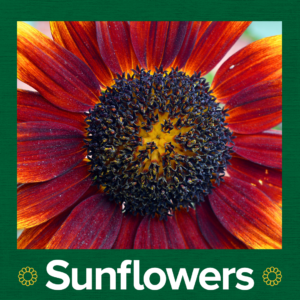
1) Sunflowers

Sunflowers are some of the easiest annual flowers to grow from seed. You can directly sow them outdoors in full sun with minimal effort. They come in so many sizes and colors too! 
2) Zinnias

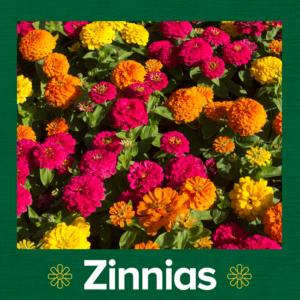
Zinnias are another easy annual flower to grow from seed in full sun. They only take about 60-70 days to bloom from seed, and there are tons of varieties like double flowered, dwarfs, cactus, and giant zinnias. They also come in a wide range of stunning colors! 
3) Daisies

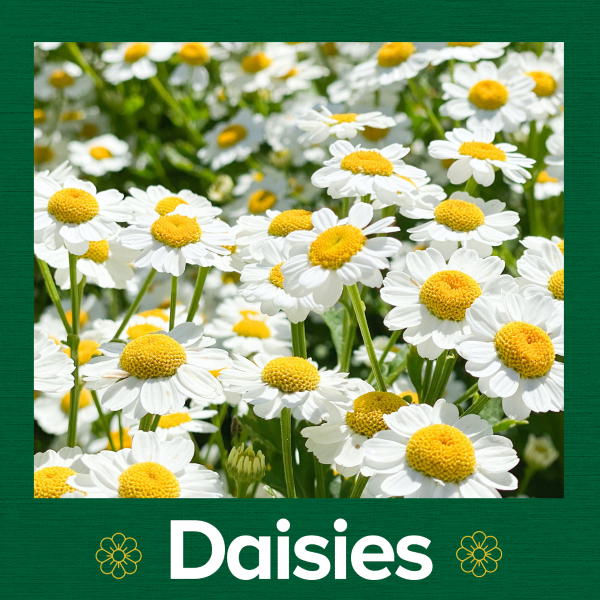
Unlike sunflowers and zinnias, daisies are a perennial flower that will come back year after year. You can start them from seed outdoors as long as you keep them moist for up to twenty days. Otherwise, they grow great from transplants and continue to spread every year. They come in whites, yellows, pinks, and reds.
4) Sweet Peas

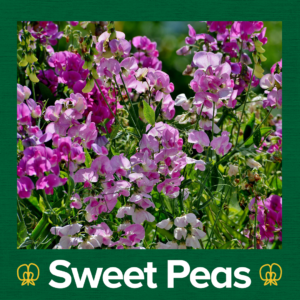
Sweet peas are an annual flower that can deal with cooler temperatures. Plant them in very early Spring and you’ll have beautiful pastel bouquets in a couple of months. Since they are vining plants, give them something to climb like a trellis.
5) Snapdragons

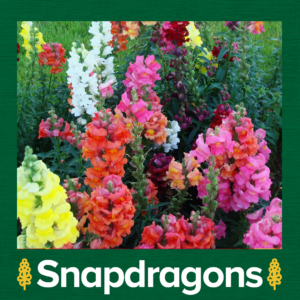
While snapdragons will need to be started from seed indoors 2-3 months before your last frost, the payoff in blooms will be worth it. Pay attention to the seed packet for best germination methods. The more you cut snapdragon blooms and create branching, the more blooms you’ll get. And snapdragons come in so many different colors that you’ll be creating gorgeous bouquets for weeks! 
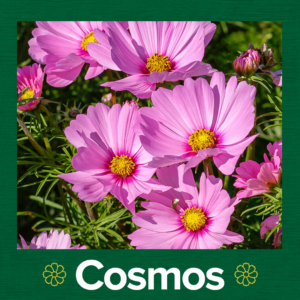
6) Cosmos

Cosmos are another easy-to-grow annual that produce tons of Summer blooms. They come in a variety of heights and colors, and their long, slender stems make for an easy addition to any cut flower bouquet.
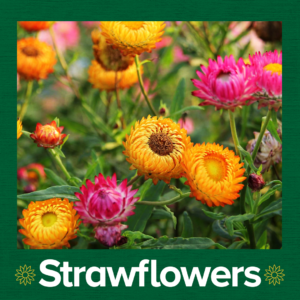
7) Strawflower

And finally we have the humble, yet unmistakable strawflower. This annual is another easy-to-grow flower from seed that can handle any soil quality you have. Its textured petals feel similar to straw and make gorgeous cut or dried flower bouquets. 
*****

To give your cut flowers a healthy start, try using Espoma’s Flower-Tone Fertilizer during the growing season for larger, more abundant blooms. 

About Bloom & Grow Radio Podcast

 Bloom & Grow Radio Podcast helps people care for plants successfully and cultivate more joy in their lives. Host Maria Failla, a former plant killer turned happy plant lady, interviews experts on various aspects of plant care, and encourages listeners to not only care for plants, but learn to care for themselves along the way.

About Our Interviewee

Brooklyn Sherri is a flower farmer with many skills. She runs her own flower farm, Petal & Herb, where they produce flowers, vegetables, berries, herbs, and microgreens all on 5 acres of land in Colorado. Brooklyn also hosts Ya Grandma’s Garden & Houseplants on Clubhouse and teaches horticulture at The Cool Choice to improve the opportunities for children and families in her neighborhood. 

​​Follow Brooklyn:

Instagram

Petal and Herb Farm

Ya Grandma’s Garden & Houseplants on Clubhouse

Featured Products:
Where to Buy


https://www.espoma.com/wp-content/uploads/2022/08/Flower-Power-1-2.png 1080 1080 Matt Dauphinais https://www.espoma.com/wp-content/uploads/2023/05/espoma-logo340w-1.png Matt Dauphinais2022-08-18 15:06:212022-08-19 16:15:16Beginners Guide to Growing Cut Flowers

Nature Never Goes Out of Style – Transition into a Fall Cutting Garden

July 27, 2017/in Fall Gardening

Seeing all of your hard work and tiny seedlings bloom into amazing plants full of color is the best part about gardening. It’s easy to bring the essence of the outdoors inside. All you need is a cutting garden.

Choose blooms that will make you happy, even if they don’t look particularly pleasing next to each other in the garden. This is your place to be creative and make amazing floral bouquets to brighten your indoor spaces.

Top Autumn Plants for Cutting Gardens

Autumn brings a change of color. This list shows off vibrant fall plants that will keep your bouquets fresh and on trend.

1. Goldenrod

This filler adds a bright pop of color to any arrangement. The mustard yellow flower can vary from short, packed blooms to long, spacious blooms. Goldenrods require minimal care and can grow almost anywhere.

2. Blue Mist Spirea

A reliable performer, blue mist spireas are the perfect addition to any fall cutting garden. Use individual stems or entire branches of this purple-blue flower. Blue mist spirea will grow about 2’ to 3’ tall and wide with 1” clusters of flowers.

3. Sunflower

Since sunflowers come in a variety of colors, keep autumn tones in mind. Seeds are easily germinated and will bloom within 60 days after germination. Pollen-free sunflowers are best for bouquets.

Where to Start:

1. Choose Your Site

Scope out an open, well-drained, sunny spot for your cutting plants. The size of the space depends on how many plants you want to grow. Don’t think you have space? Plant cutting flowers between your vegetables rows. Or add them to containers on your patio or balcony!

2. Plan Your Plants

Check plant tags to see if your site meets the requirements for sun exposure and growing conditions. Be sure to keep the layout of the garden in mind. Leave spaces between the rows to make cutting and collecting easier. Plants that are the same height work better together— for you and the plant.

3. Prepare the Ground

Make sure your soil is clear of any debris and weeds – you don’t want your flowers competing with anything else. Work in several scoops of Espoma’s Bio-Tone Starter Plus in to the soil, to give your plants a good head start.

4. Planting Your Garden

Planting with seeds or seedlings are both great options for this garden. They are planted an inch into loose soil. Fertilize regularly with Espoma’s Liquid Bloom! Plant Food for the best results. Make sure to water flowers at least weekly.

As your plants start to bloom, keep cutting. The more you cut the more flowers you will get! It’s as easy as that.

Looking for more inspiration? Learn how to plant this easy fall flower container with Laura from Garden Answer.

https://www.espoma.com/wp-content/uploads/2017/07/fall-cutting-garden.jpg 3500 5250 espoma https://www.espoma.com/wp-content/uploads/2023/05/espoma-logo340w-1.png espoma2017-07-27 15:00:532024-08-19 13:51:36Nature Never Goes Out of Style – Transition into a Fall Cutting Garden
Where to Buy

Get News & Updates

Recent Posts

  • VIDEO: How to Plant Spring Bulbs in Containers 🌱🌷 with Garden Answer
  • VIDEO: Bringing In Your Plants for Winter 🪴❄️ with Summer Rayne Oakes
  • Final Fall Plantings & Tips for Bringing Plants Inside for Winter 🍁🪴 with Wyse Guide
  • Simple Fall Plantings 🪴🌻🍁 with Garden Answer
  • Video: How to Manage a Wild Garden with Summer Rayne Oakes 🌿🌸

Tags

All-Purpose Potting Mix bio-tone Bio-tone Starter Bio-tone Starter Plus Cactus Mix caring for houseplants Container Gardening DIY project Espoma espoma grown espoma organic Espoma Organics Espoma Video fall gardening Family fert flower garden flowers garden Garden Answer Gardening gardening tips gardens grow holly-tone houseplants Indoor! indoor gardening indoor plants Kaleb Wyse organic organic fertilizer Organic Gardening organic plant food Organic Potting Mix Outdoor Gardening Planting plants Potting Mix potting soil Spring Gardening summer rayne oakes vegetable garden Vegetable Gardening Wyse Guide

Espoma. A Family Tradition Since 1929.

Espoma Organic logo
  • Espoma Dealer
  • Espoma Pro
  • Garden Club
  • Privacy Policy

Scroll to top