Espoma Organic
  • Products
    • Close
    • Product Line Overview
    • Plant food finder
    • Garden Fertilizers
    • Potting Soils
    • Lawn Fertilizers
    • Liquid Fertilizers
    • Single Ingredients
    • Conventional Plant Foods
    • Animal Care Products
  • Where to Buy
  • Our Story
    • Close
    • Our Story
    • Locations
    • Historical Timeline
    • Our Commitment
    • Directions
    • Solar
    • Join our Team
    • Espoma Brand Partners
  • Learn
    • Close
    • Espoma Blog
    • FAQ’s
    • Pocket Guide
    • Espoma Guides
    • Garden Clubs
    • Safe Paws Lawn
    • PRODUCT FACT SHEETS
    • Fertilizer Fundamentals
      • Close
      • Understanding Plant Nutrition
      • Reading Labels
      • Choosing the Right Type of Fertilizer
      • Terms & Definitions
    • Gardening Projects
    • Resource Links
  • Contact Us
  • Menu Menu

Growing Joy with Maria: Plant Projects for Kids

October 12, 2023/in Blog, Growing Joy with Maria

Indoor Plant Projects for Kids

Looking for ideas to keep your kids engaged with nature while they’re indoors for the season? Look no further!

This blog is inspired by Episode 104 of Growing Joy with Plants Podcast, where host Maria Failla discusses fun, indoor plant-based projects for kids of all ages with teacher turned content creator, Joe Dombrowski. These activities will allow your children to learn about plants, science, and nature in a hands-on way, and the best part is they require minimal supplies and space, making them doable for those without big yards.

Let’s dig in!
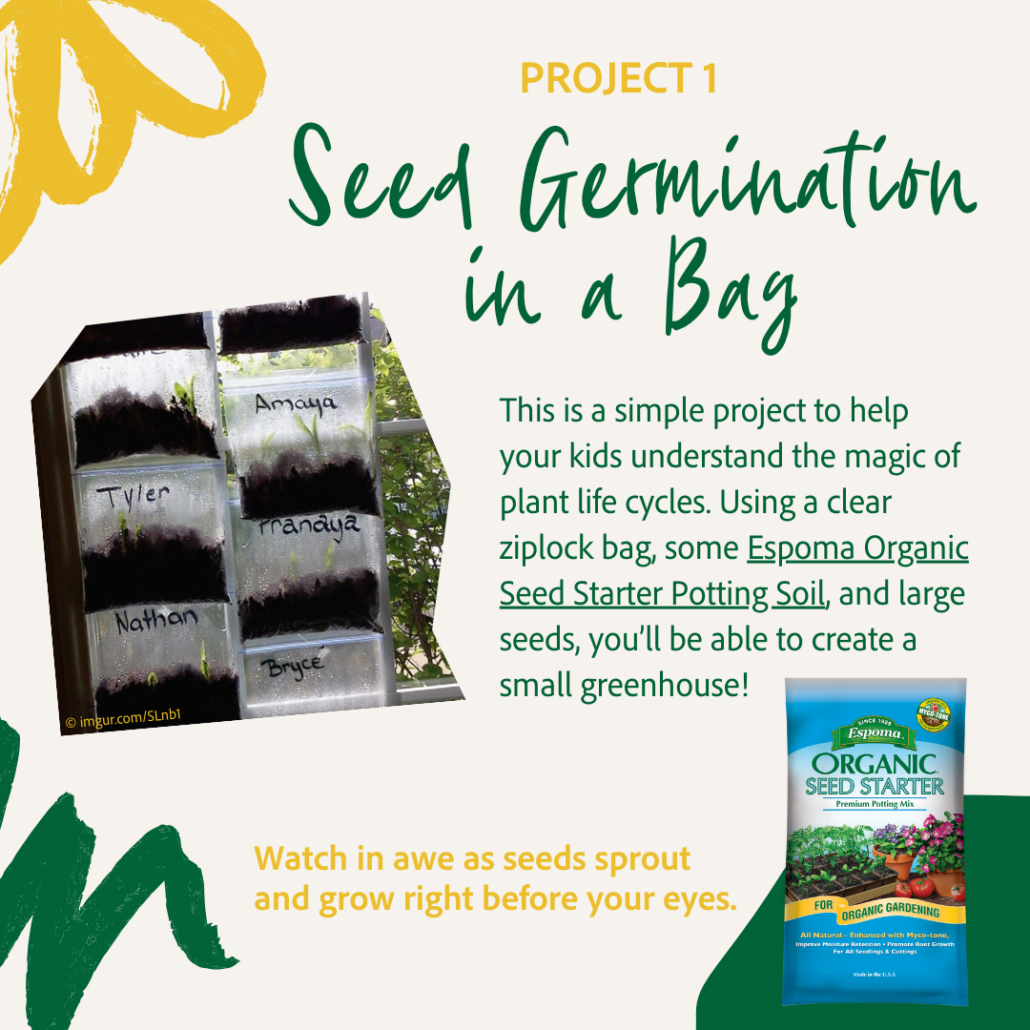
Project 1: Seed Germination 

This first project allows kids to observe the entire seed germination and plant life cycle close-up.

Supplies Needed:

  • Clear ziplock bag (quart or gallon size)
  • Potting soil, about 2 cups
  • Marker for labeling bags
  • Large seeds, such as pumpkin or lima beans
  • Water
  • Tape or a pin to attach bag to window, wall, or bulletin board

Steps:

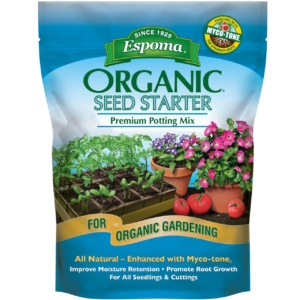
  1. Add 2 cups of Espoma Seed Starter Potting Soil Mix to the bottom of the ziplock bag. Lightly mist the soil with water until moist but not soaked.
  2. Plant 1-2 large seeds in the center of the bag, either close to the side for visibility or in the middle for some mystery.
  3. Seal the bag most of the way, leaving a bit of air inside.
  4. Hang the bag on a window or bulletin board using tape or tacks.
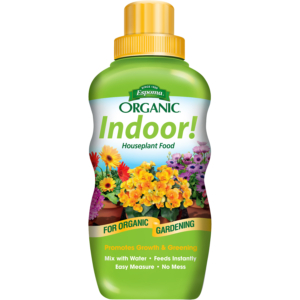
  5. Use Espoma Indoor! Plant Food to feed plants once sprouted.

What Happens: The sealed environment leads to condensation forming inside the bag. This “precipitation” falls back to the soil, watering the seeds. Kids will be able to observe the seed sprouting roots and, eventually, the plant emerging. The water cycle is happening right before their eyes!
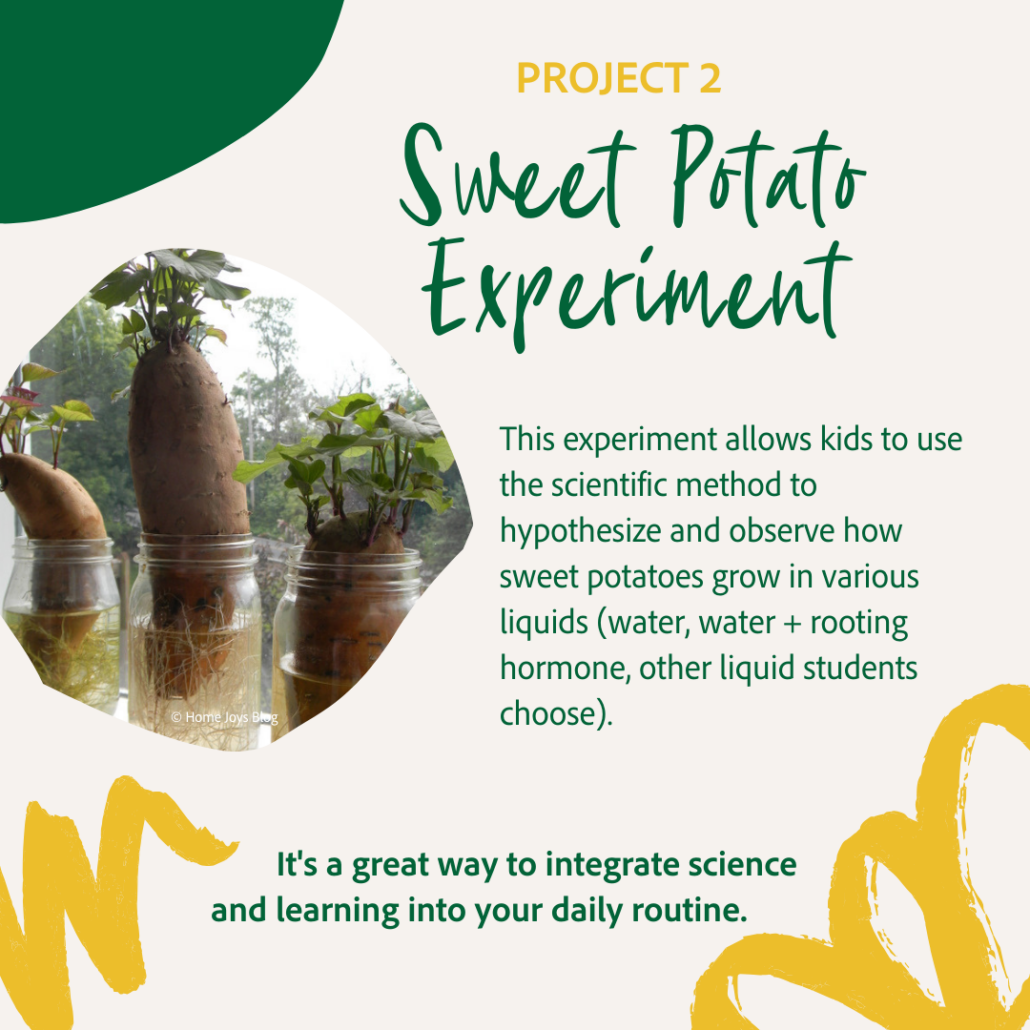
Project 2: Sweet Potato Experiment

Let kids play “mad scientist” with this rooting experiment using sweet potatoes and different liquids.

Supplies:

  • 3 sweet potatoes
  • 3 clear cups or jars, enough for each liquid
  • Water
  • Rooting hormone
  • Other liquid of child’s choice (safe options like juice, soda, etc.)

Steps:

  1. Pick 3 sweet potatoes from the grocery store; if you can pick one with “eyes” (buds), choose those!
  2. Fill each cup with a different liquid: water, water + rooting hormone, and any other liquid the student chooses.
  3. Place the sweet potato’s bottom third in each liquid, using toothpicks to hold it up.
  4. Have kids hypothesize what will happen: which potato will root the best and why? How long will it take?
  5. Observe the changes each day.

What Happens: Kids get to play with the scientific method: hypothesis, experimentation, and observation as they learn about root and shoot growth through trial and error testing. Discuss how and why the results turned out the way they did in the end, and conclude which liquid was the best for plant growth!
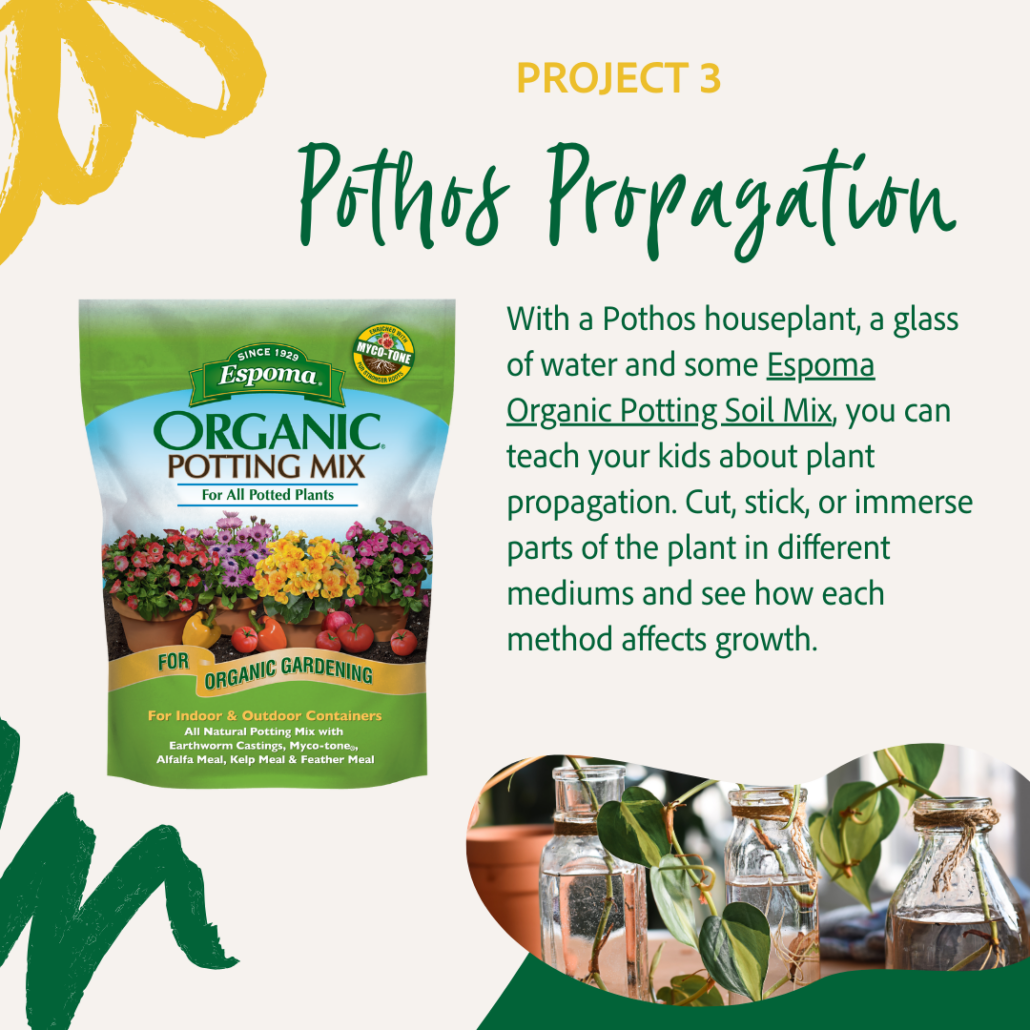
Project 3: Pothos Propagation 3 Ways

Kids can learn how plants reproduce by trying their hand at propagating pothos cuttings in different ways.

Supplies:

  • Pothos houseplant
  • Scissors
  • Water
  • Small pots or containers
  • Espoma Potting Soil

Steps:

  1. Cut a vine below a node and place in water (water propagation).
  2. Cut a vine and stick it directly into soil (soil propagation).
  3. Remove a leaf, place the petiole in water (new plant just from leaf).

What Happens: Watch roots form in cuttings in water. Look for new vines sprouting from cuttings in soil. See new baby pothos plants emerge just from the leaf. All of these are different ways to reproduce a plant that your child can learn from!
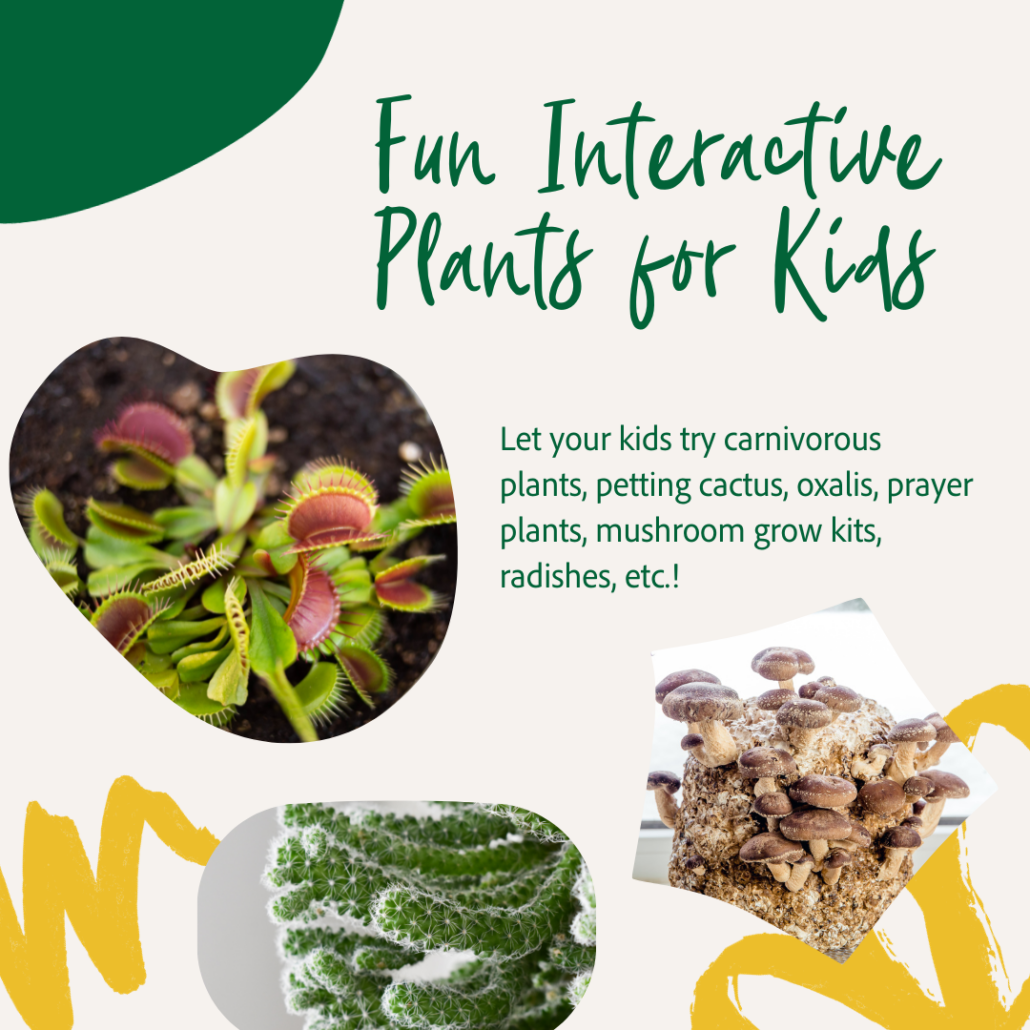
Bonus: Fun Interactive Plants for Kids

Add some engaging plants to a kids room or learning space to pique their interest in nature.

Some plants to try:

  • Carnivorous plants – Venus flytraps and pitcher plants are endlessly fascinating
  • Sensitive plant (Mimosa pudica) – leaves close up when touched
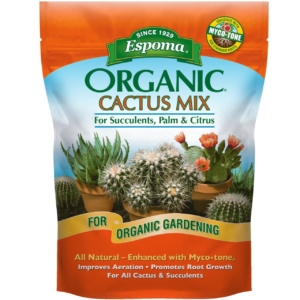
  • Petting cactus – start growing your own with Espoma Cactus Potting Mix 
  • Plants that move – oxalis, prayer plants, etc.
  • Mushroom grow kits – watch fungi sprout up rapidly
  • Amaryllis bulbs – watch them bloom
  • Radishes – fast-growing and edible

The hands-on nature of these plants captures kids’ attention and turns them into budding botanists. They learn that plants are living things that move and change. 

Bringing nature indoors that kids can touch and interact with is needed now more than ever, as plants bring benefits like creativity, reduced stress, and increased focus. Hopefully, these planty projects have sparked some ideas for easy ways to engage your kids all year long, even when they’re inside!

*****
 

Featured Products:


Where to Buy


https://www.espoma.com/wp-content/uploads/2023/10/Espoma-Indoor-Plant-Projects-for-Kids.png 1080 1080 Matt Dauphinais https://www.espoma.com/wp-content/uploads/2023/05/espoma-logo340w-1.png Matt Dauphinais2023-10-12 14:09:152024-08-30 20:24:50Growing Joy with Maria: Plant Projects for Kids

Growing Joy with Maria Blog: Fall Gardening Tips

September 18, 2023/in Blog, Bloom and Grow Radio, Fruits & Vegetables - None, Growing Joy with Maria, Growing Joy with Maria

For many gardeners, the arrival of fall means the end of the growing season. Once the weather turns cool, it’s easy to assume that it’s time to clear out the vegetable garden and put the tools away until spring. However, fall is actually an ideal time for gardening! You can extend your productive garden season into the cooler months with simple preparations and proper plant choices.

This blog is inspired by Episode 161 of Growing Joy with Maria Podcast, where host Maria Failla talks about how to keep your edible garden going strong into fall with our go-to organic gardening expert, Joe Lamp’l. His latest book, The Vegetable Gardening Book, is a complete guide to growing an organic edible garden from seed to harvest.

When to Plant Your Fall Garden

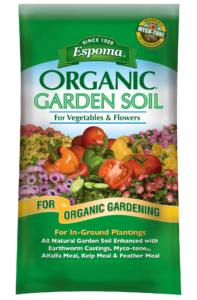
Surprisingly, plants that like the cold actually need to be planted while it’s still warm outside! This is the perfect opportunity to prepare your garden beds using Espoma Organic Garden Soil, ensuring that your plants have the best possible start.

If you plant them in August or July, they can get comfy in the warm soil. As they grow bigger, the weather gets cooler—which is precisely the environment they thrive in. It’s important to plant them early enough in the fall so they have ample time to mature before the days become shorter. If you wait too long, they might stop growing and remain at a certain stage.

Here’s the cool part: When these plants get a touch of frost, they turn sweeter. The chemical reactions triggered by frost cause sugars within the plants to become more prominent, resulting in a sweeter taste. It’s like they have a flavor makeover! 

Here are some specific timeframes for planting popular fall veggies:

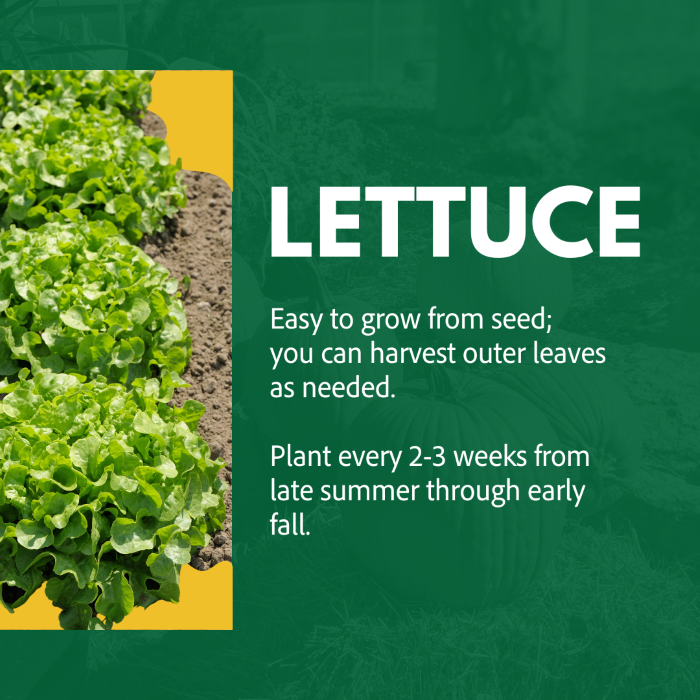
  • Lettuce, spinach, arugula – Plant every 2 to 3 weeks from late summer through early fall.
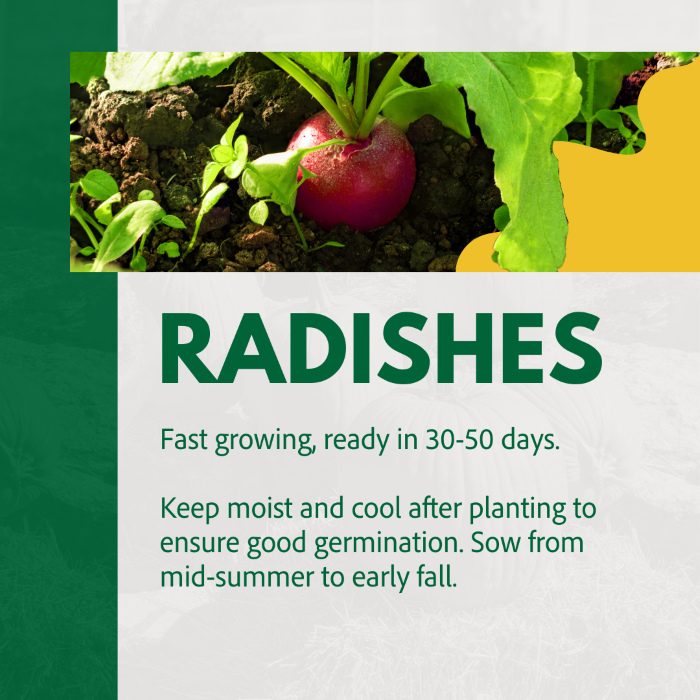
  • Radishes, kale, beets – Sow from mid-summer to early fall.
  • Peas – Plant as soon as summer crops finish since peas don’t handle frost well.
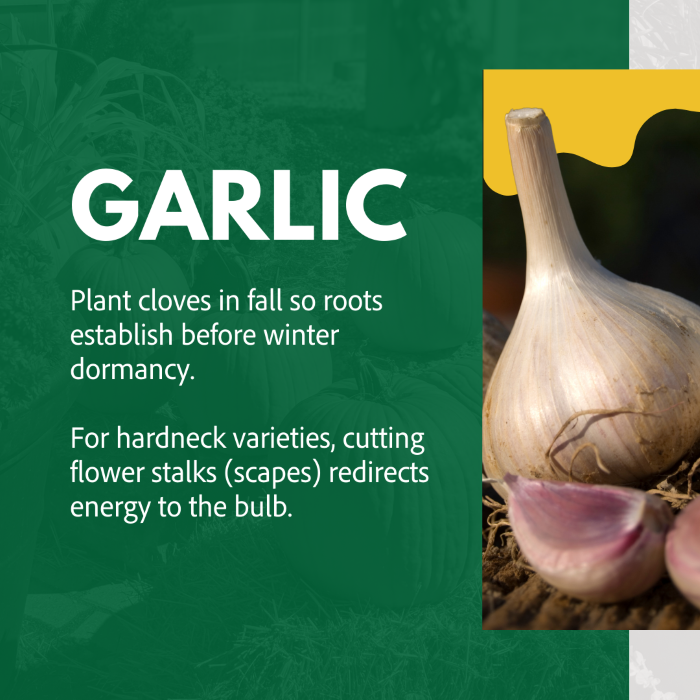
  • Garlic – Plant garlic cloves in late fall about 6 to 8 weeks before the ground freezes.

Best Crops for Fall Gardening

While frost renders warm-weather favorites like tomatoes and peppers useless, many vegetables actually thrive in cooler temperatures. Focus your fall planting on these cold-hardy, tasty options:

Lettuce

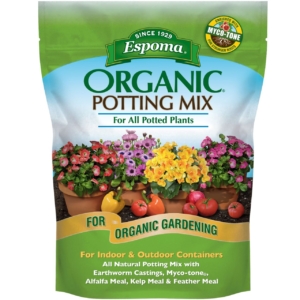
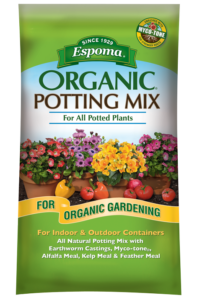
Lettuce is one of the easiest vegetables to grow in fall, thanks to its love of light, or being “photoblastic.” Simply sprinkle the tiny seeds onto the soil’s surface  (Espoma Organic’s Potting Mix is a great choice here), keep them moist, and young seedlings will emerge within a couple of days. The chilly autumn nights prevent lettuce from bolting or forming flower stalks prematurely.

Kale

This superfood green becomes even more nutritious after being exposed to frost, which causes it to convert starch into sugar. That makes fall-grown kale incredibly sweet and flavorful compared to the bitter reputation it garners. It’s also one of the most cold-tolerant vegetables, lasting through winter in many regions.

Spinach

Like kale, spinach responds to cold conditions by producing more sugars. While spinach seeds can be tricky to germinate, the plants readily tolerate freezing weather. Choose “overwintering” spinach varieties to grow them in the winter months.

Beets

Beets are root vegetables that do well in the fall and are Joe’s favorite fall plants. They have an earthy flavor that some people may find off-putting, but there are now varieties available that offer all the qualities of beets you know and love, minus the strong earthiness.

Radishes

Radishes grow crisp and rapid in the fall, ready to harvest in as little as 30 days. Succession plant them every week or two for a steady supply throughout the season.

Peas

Peas make for an excellent fall crop. They become very sweet, but keep a close eye: they aren’t as frost-tolerant as other vegetables. 

Garlic

Garlic is typically planted in November before the ground freezes. Not only is it everyone’s favorite flavor in sauces, soups, stir-fries, roasted dishes, and garlic scape pesto—but it also serves as a great pest-deterrent! Garlic is resilient and can be grown ornamentally.

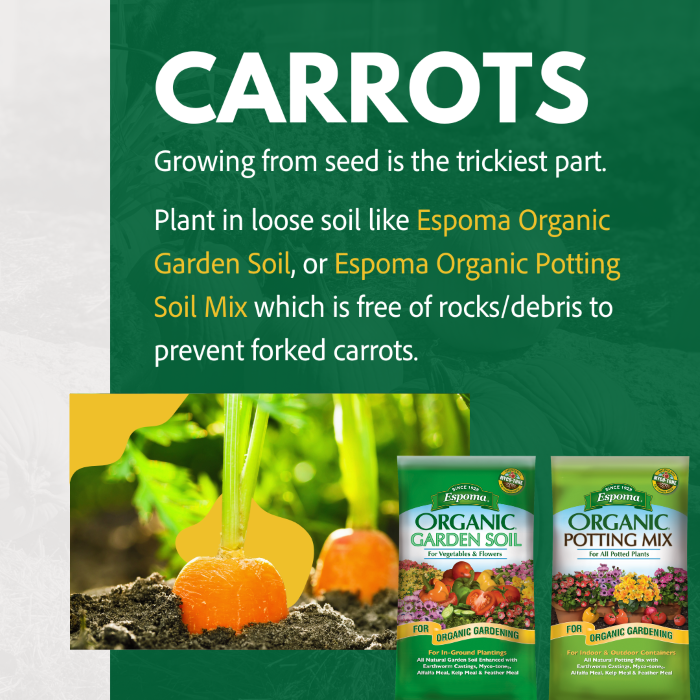
Carrots

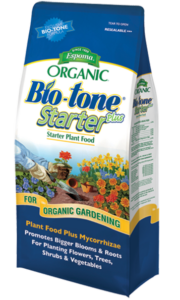
Carrots require good soil and care during germination. They should be kept moist and cool until they sprout. There is a risk of underground splitting if they encounter obstacles, but using fertilizers like Espoma Organic Biotone Starter Plus can prevent this.

Other plants to consider:

  • Brussel sprouts
  • Arugula
  • Kohlrabi
  • Cabbage

Why “Think Like a Plant”

Even experienced gardeners like Joe Lamp’l run into problems with pests, diseases, or environmental factors impacting their plants. When something goes wrong in your garden, he recommends first taking a step back (rather than blaming it on, say, cool weather).

He suggests putting yourself in the plant’s position, which is a concept Joe likes to call “planthrophormizing.” Observe its symptoms closely, then deduce what factors might be causing them. Is the plant wilting from under or overwatering? Do chewed leaves indicate pests? Are yellowed lower leaves a sign of nutrient deficiency? In such cases, Espoma’s line of organic fertilizers can be a solution, helping replenish essential nutrients and restore plant health.

Fall Gardening Mindset

In addition to crop selection and timing, Joe spoke about shifting your mindset when it comes to fall gardening. So take a minute to relax: This is a chance to slow down and decrease the intensity after the long summer months. 

Many fall vegetables like lettuce and radishes mature much quicker, in 30 to 60 days, so the stakes are lower than starting a long-season crop like tomatoes or peppers. For gardeners who dealt with challenges and setbacks in the summer, fall is an opportunity to learn from mistakes and try again with a new perspective.

Start small, keep it simple, and don’t overcomplicate things.


With the right mindset and plant choices, you can enjoy fresh homegrown produce from your garden into late fall or early winter. Follow these tips to make the most of the fall gardening season. No need to put those tools away just yet!


Featured Products:


Where to Buy


https://www.espoma.com/wp-content/uploads/2023/09/Espoma-Fall-Gardening-Tips-Fall-Crops.png 1080 1080 Matt Dauphinais https://www.espoma.com/wp-content/uploads/2023/05/espoma-logo340w-1.png Matt Dauphinais2023-09-18 11:38:202023-09-18 11:38:20Growing Joy with Maria Blog: Fall Gardening Tips
Page 2 of 212
Where to Buy

Get News & Updates

Recent Posts

  • VIDEO: Bringing In Your Plants for Winter 🪴❄️ with Summer Rayne Oakes
  • Final Fall Plantings & Tips for Bringing Plants Inside for Winter 🍁🪴 with Wyse Guide
  • Simple Fall Plantings 🪴🌻🍁 with Garden Answer
  • Video: How to Manage a Wild Garden with Summer Rayne Oakes 🌿🌸
  • VIDEO: Planting Beautiful New Plants and Feeding the Lawn Organically 🌸🚜🌱 with Garden Answer

Tags

All-Purpose Potting Mix bio-tone Bio-tone Starter Bio-tone Starter Plus Cactus Mix caring for houseplants Container Gardening DIY project Espoma espoma grown espoma organic Espoma Organics Espoma Video fall gardening Family fert flower garden flowers garden Garden Answer Gardening gardening tips gardens grow holly-tone houseplants Indoor! indoor gardening indoor plants Kaleb Wyse organic organic fertilizer Organic Gardening organic plant food Organic Potting Mix Outdoor Gardening Planting plants Potting Mix potting soil Spring Gardening summer rayne oakes vegetable garden Vegetable Gardening Wyse Guide

Espoma. A Family Tradition Since 1929.

Espoma Organic logo
  • Espoma Dealer
  • Espoma Pro
  • Garden Club
  • Privacy Policy

Scroll to top