Lush, Resilient Lawns
An organic lawn is grown and maintained using natural products and practices—without synthetic fertilizers or harsh chemicals. Instead, it focuses on building healthy soil, which leads to thicker, greener grass that’s more resilient over time. An organic lawn is grown and maintained using natural products and practices—without synthetic fertilizers or harsh chemicals. Instead, it focuses on building healthy soil, which leads to thicker, greener grass that’s more resilient over time.
Videos
Why Choose an Organic Lawn?
- Safer for Families & Pets – No harsh chemicals, just natural care
- Healthier Soil – Builds long-term soil vitality with beneficial microbes
- Stronger, More Resilient Grass – Better resistance to drought, stress, and disease
- Environmentally Friendly – Supports a healthier ecosystem and reduces runoff
- Long-Term Results – Improves year after year with consistent care
How to Establish an Organic Lawn
- Start with Healthy Soil
Test your soil to understand nutrient levels and pH. - Prep the Area
Loosen the top inch of soil with a metal rake. Add our Lawn Soil or Land & Sea Compost to improve structure. - Seed or Sod Properly
Choose the right grass type for your region and sunlight conditions. - Feed at Planting
Apply Bio-tone® Starter Plus to help roots establish quickly. - Water Consistently
Keep soil evenly moist until grass is well established.
How to Care for an Organic Lawn:
- Feed Naturally
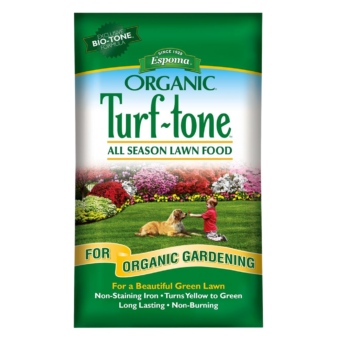
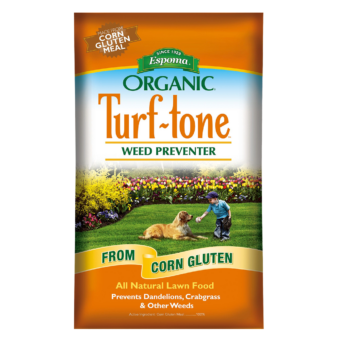
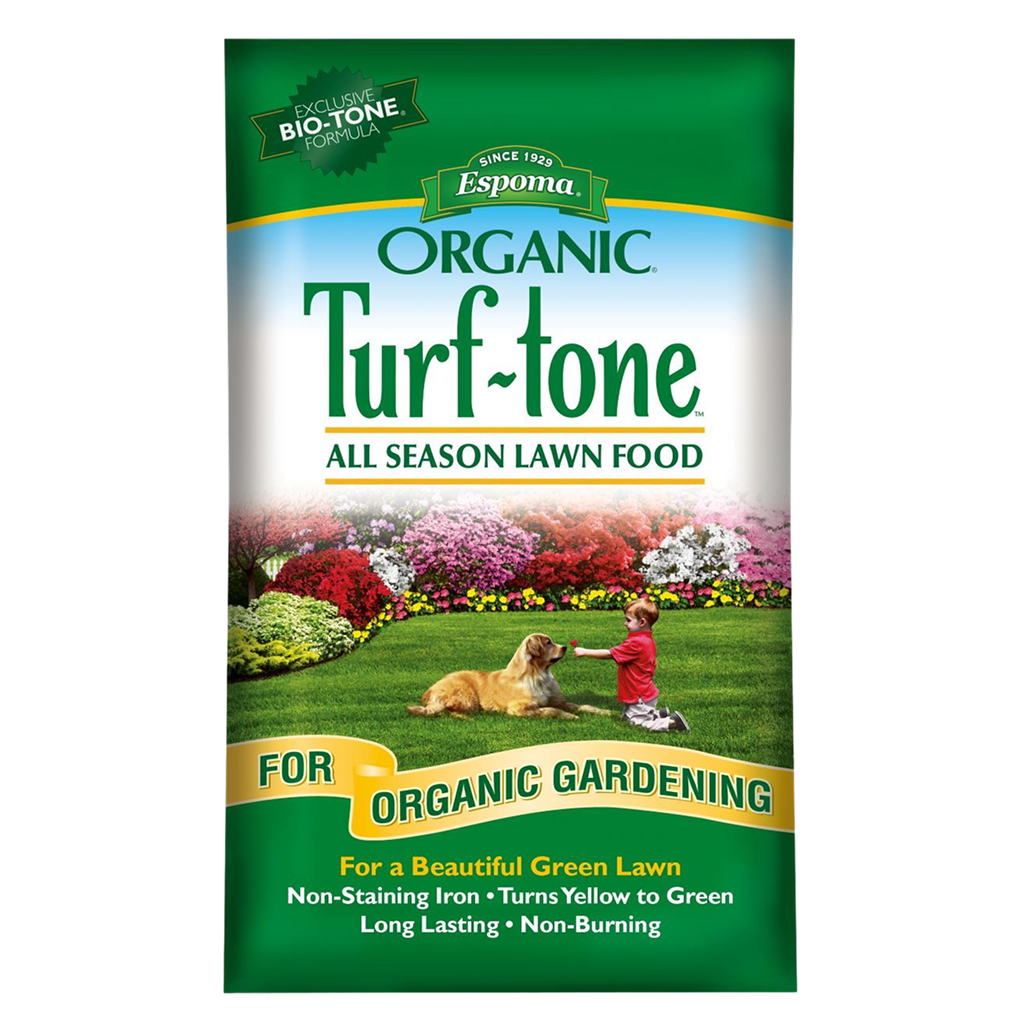
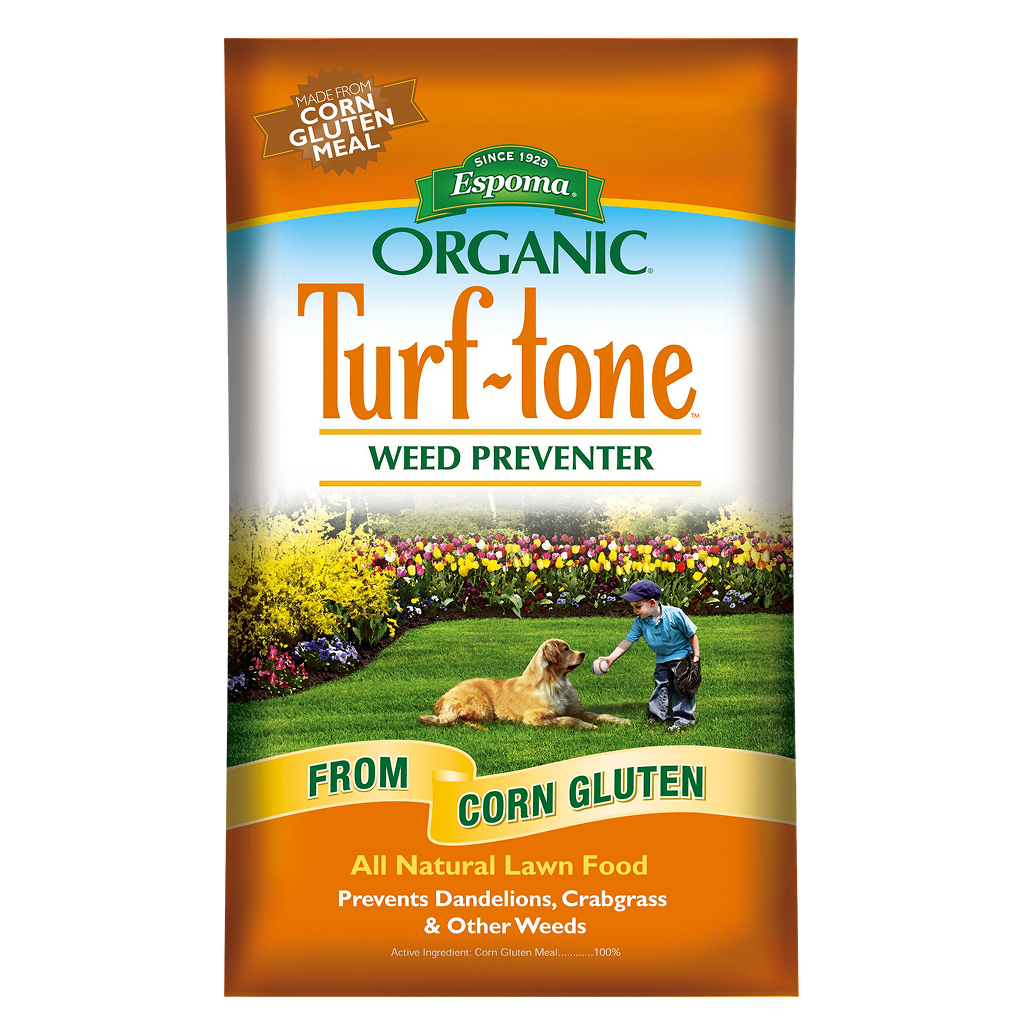
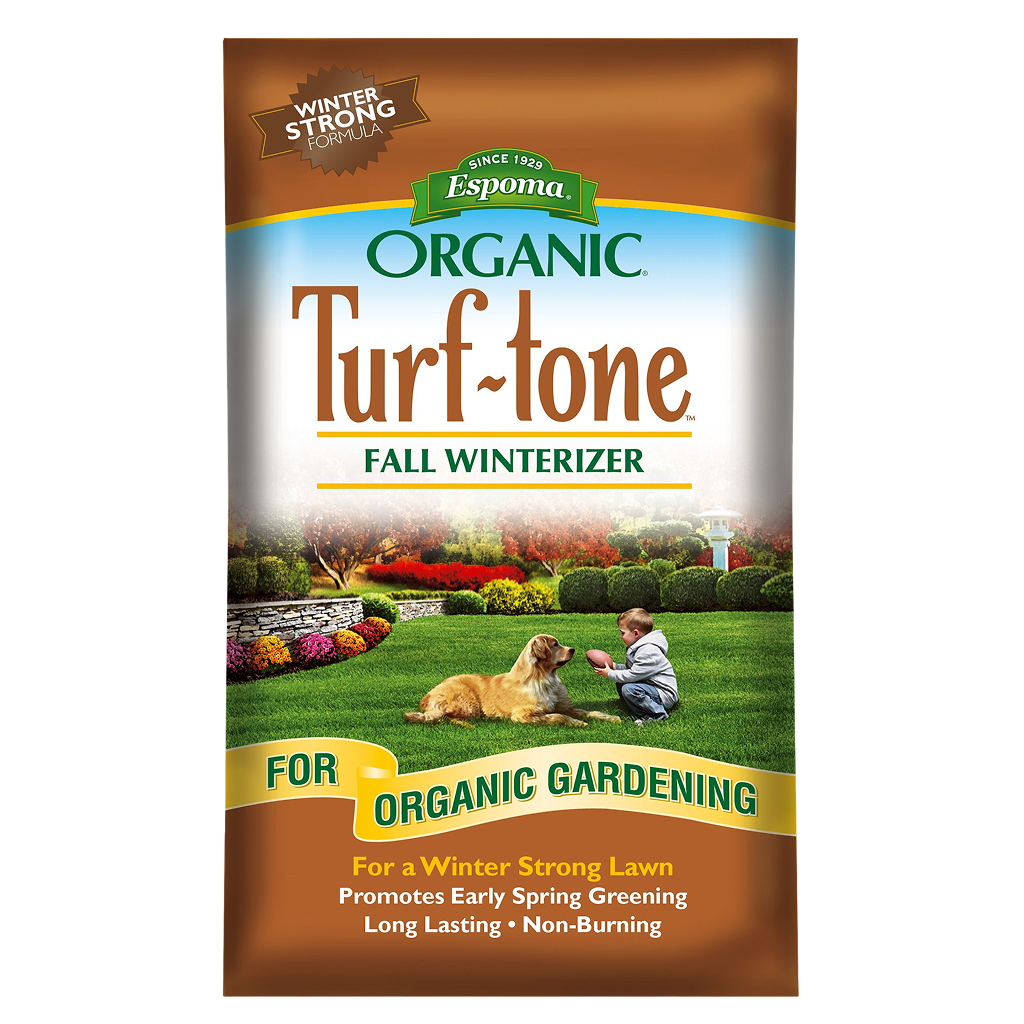
Use Turf-tone® All Season Lawn Food in early Spring, late Spring, late summer and Fall to provide slow-release nutrition that promotes deep green color and strong root growth. Alternatively you could use Turf-tone Weed Preventer in the early Spring and Turf-tone Fall Winterizer in the Fall. - Water the Right Way
Water deeply and less frequently to encourage deep root systems. Early morning watering is best to reduce evaporation and disease. - Adjust Soil pH
Healthy lawns prefer a slightly acidic to neutral pH. Use Lightning Lime to raise pH or Soil Acidifier to lower it as needed based on soil test results. - Mow Properly
Keep grass at the recommended height for your variety (usually 2.5–4 inches). Never remove more than one-third of the blade at a time, and keep mower blades sharp for clean cuts. - Leave Grass Clippings
Grass clippings return nutrients back to the soil, acting as a natural fertilizer.
Guides & Articles
6 Ways to Winterize your Lawn and Brave the Cold
Winter is coming, and while we’re bundling up in our cozy sweaters, lawns need to winterize too! As the temperature…

Don’t Fall Short. Time to Feed Your Lawn!
When Summer is coming to an end, help your lawn come back healthier and even more beautiful next spring. It’s…

Kid & Pet Friendly Lawns
Your lawn may be doing more harm than good. The quest for greener grass on your side of the fence…

Once a Lawn, Now a Beautiful Garden! ???|| Flock Finger Lakes
Join Summer Rayne Oakes of @FlockFingerLakes on a tour of what was once a boring lawn and is now a…
A Checklist for Fall Garden Maintenance
Summer has come and gone— but that doesn’t mean you should give up and let your garden go for the…
How to Prepare Your Garden for the Winter Season
Winter is afoot! With the nights becoming chilly, now is the time to start thinking about what to do with…
Leaf Mulch with Garden Answer
In this fall episode of Garden Answer, Laura is making leaf mulch from her fallen leaves. It’s a free resource…
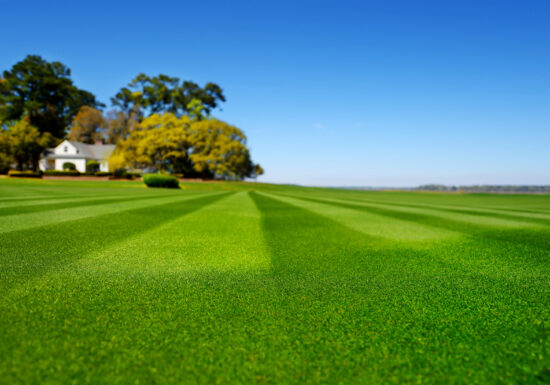
How to Mow Stripes in your Lawn
Have you ever admired the uniform stripes on the field at a baseball game? It’ll take some practice, but with…