Espoma Organic
  • Products
    • Close
    • Product Line Overview
    • Plant food finder
    • Garden Fertilizers
    • Potting Soils
    • Lawn Fertilizers
    • Liquid Fertilizers
    • Single Ingredients
    • Conventional Plant Foods
    • Animal Care Products
  • Where to Buy
  • Our Story
    • Close
    • Our Story
    • Locations
    • Historical Timeline
    • Our Commitment
    • Directions
    • Solar
    • Join our Team
    • Espoma Brand Partners
  • Learn
    • Close
    • Espoma Blog
    • FAQ’s
    • Pocket Guide
    • Espoma Guides
    • Garden Clubs
    • Safe Paws Lawn
    • PRODUCT FACT SHEETS
    • Fertilizer Fundamentals
      • Close
      • Understanding Plant Nutrition
      • Reading Labels
      • Choosing the Right Type of Fertilizer
      • Terms & Definitions
    • Gardening Projects
    • Resource Links
  • Contact Us
  • Menu Menu

Tag Archive for: Vegetable Gardening

5 Veggies to Plant in August

August 12, 2020/in Fall Gardening, Fruits & Vegetables, Gardening, Vegetable Gardening

Have you thought ahead to your fall harvest yet? August is prime time to plant delicious and nutritious vegetables that will come to life in the cooler months. And there’s nothing better than being able to spice up your home-cooked dishes using your very own garden — no need to run to the supermarket! Read on to find out which veggies you should be planting right now.


Lettuce

Did you know lettuce cannot be frozen, dried, pickled, or canned? That’s why you have to eat it fresh! Luckily, planting it right now means you’ll be able to enjoy it in just a few months. A fall harvest is ideal as lettuce’s sturdiness prevents any frost from destroying it. These leafy greens are a good source of vitamin C, calcium, iron, and copper — making it the perfect base for a healthy salad. Keep an eye out for the dark green leaves when harvesting as they’re even healthier than the light green ones. 

Spinach

Spinach is well known for its low-calorie count and high levels of vitamin A, C, and iron — making it the perfect addition to that healthy salad. This veggie also gives you the highest turnover out of all the others. If collected in small quantities, you can keep harvesting them late until May! The best time to start planting them is now, at the tail end of summer.

Parsley

Ready for another healthy addition to that salad we’re working on? Parsley is a rich source of Vitamin K, C, and A, and minerals like magnesium, potassium, iron, and calcium. It’s no wonder this veggie has been used in dishes since ancient Rome! It’s also believed to have anti-tumor, anti-bacterial, and antifungal properties. Plant your parsley now to make sure you can reap all these benefits in the fall.

Carrots

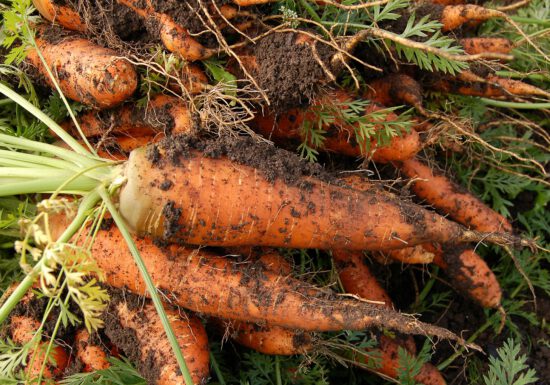
If you’re planning on sowing some veggies that aren’t leafy greens, carrots should definitely be your first choice! As this vegetable grows into the fall season, the cool weather turns the starch to sugar, making them extra delicious. This sweet flavor makes them the perfect side or snack — sauteed, roasted, or even raw! Keep in mind that this plant does need a little extra care compared to some of the others on this list, so be sure to use vegetable food like Garden-tone to provide them with the energy they need to grow.

Beets

Last but not least, beets should definitely be on your August to-plant list. Did you know beets are edible from the tip of their green leaves to the bottom of their brown roots? They also help capture some hard-to-catch toxins and flush them out. These same antioxidants provide anti-inflammatory agents that provide a wide array of health benefits. Still not convinced? Since beet juice helps cleanse your liver, it’s thought that it can even help cure hangovers! If you want to make use of the entire plant and enjoy all these delicious benefits, make sure to sow the seeds now — about 8 weeks before the first frost.

*****

Just because summer is winding down, doesn’t mean it’s time to pack up your gardening supplies. August is the perfect time to plant some of your favorite vegetables! Cooking primarily with these veggies straight from your garden will give you some of the freshest and tastiest dishes. So get your family together, head outside, and get planting!


Featured Products:


Where to Buy


https://www.espoma.com/wp-content/uploads/2020/08/sophie-mikat-gCU9ucYYcSQ-unsplash-scaled.jpg 1707 2560 Danielle Kirschner https://www.espoma.com/wp-content/uploads/2023/05/espoma-logo340w-1.png Danielle Kirschner2020-08-12 15:50:192023-08-15 11:22:155 Veggies to Plant in August

Video: Tying up & Fertilizing Tomatoes with Bloom and Grow Radio!

August 4, 2020/in Bloom and Grow Radio, Espoma Videos, Fruits & Vegetables, Vegetable Gardening

Are your tomato plants growing out of control? Time to tie them up with Bloom and Grow Radio‘s Tying and Fertilizing Tomatoes video featuring Tomato-tone!

See our guide to growing tomatoes here

Featured Products:

Espoma Organic Tomato-tone
https://www.espoma.com/wp-content/uploads/2020/08/Screen-Shot-2020-08-04-at-2.39.27-PM.png 910 1766 Danielle Kirschner https://www.espoma.com/wp-content/uploads/2023/05/espoma-logo340w-1.png Danielle Kirschner2020-08-04 14:44:422024-09-03 15:26:04Video: Tying up & Fertilizing Tomatoes with Bloom and Grow Radio!

Video: Tomato Planting Tutorial with Bloom and Grow Radio

August 4, 2020/in Bloom and Grow Radio, Espoma Videos, Fruits & Vegetables - None, Vegetable Gardening

A little vitamin boost from Bio-tone Plus before amending your soil is key when planting up a fresh tomato path. More great tips from Bloom and Grow Radio in the full video!

See our guide to growing tomatoes here

Products Featured

This image has an empty alt attribute; its file name is biotone-starter.png
https://www.espoma.com/wp-content/uploads/2020/08/Screen-Shot-2020-08-04-at-2.15.04-PM.png 390 781 Danielle Kirschner https://www.espoma.com/wp-content/uploads/2023/05/espoma-logo340w-1.png Danielle Kirschner2020-08-04 14:33:552022-04-12 08:19:01Video: Tomato Planting Tutorial with Bloom and Grow Radio

Build Your Own Vertical Strawberry Planter (Extended Version)

April 13, 2018/in Espoma Videos

Need a new and updated way to grow your strawberries? Try growing them vertically!

This windchime inspired planter will add life to your garden while adding an element of design to your home. Watch as Laura from Garden Answer shows us how to make vertical strawberry planters.

Be sure to keep the materials in mind – even Laura almost used toxic tubing for the project.

Materials she used includes:

  • Galvanized Duct Work and Cap
  • Self-Tapping Sheet Metal Screws
  • Drill, Bits and 2.5″ Bi-Metal Saw
  • 1/8 inch Quick Links (x6 pieces)
  • Chain (x3 pieces)
  • 1.5 inch Ring
  • Espoma Organic Potting Mix
  • Espoma Organic Bio-Tone
  • Strawberries of your choice
  • Moss
  • Hook

Step-By-Step Instructions:

Construction

  1. Connect your galvanized tubing. There is a rivet on where they should connect – be sure to work from one end to the other to make sure it is secure.
  2. Drill a drainage hole in the bottom of the cap with a metal drill bit. Place the cap on the corrugated end and use 5 self-tapping screws to secure.
  3. Measure your planting holes. Start an inch away from the seam to keep the integrity of the tubing. Each hole should be 7.5″ away from each other. Use a pencil to mark where to drill. This will be your starting place.
  4. Drill your holes with a 2.5″ bi-metal hole saw. Ask one person to hold the tubing while the other saws. You will end up with about 15-16 holes. Safety tip: Wear long sleeves, gloves and eye protection to protect yourself from the metal.
  5. Keep your gloves on while handling the tube as it is sharp.
  6. Drill 3 holes in the top to get it ready to hang.
  7. Attach 1/8″ quick links to each of the holes. Connect your chain to the quick links. Add one more quick link to the end of each chain and each of those will go into one 1.5″ ring.

Planting:

  1. Starting from the bottom hole, add in Espoma Organic Potting Mix and Bio-Tone Fertilizer. Pro Tip: Mixing Espoma Organic Potting Mix with the Organic Bio-Tone Fertilizer allows the strawberries to get a boost in their new container while releasing nutrients slowly to ensure the edibles are being fed for a long time.
  2. Plant each hole with a strawberry and move your way up! You can also add a plant at the very top!
  3. Take little pieces of moss and add them around the strawberry plant. This will help keep the plant inside of the planter and help clean up your project.
  4. Hang your planter with a hook (Laura uses an S-hook).
  5. Slowly water in your new planter – watering too fast can make the plants fall out since their roots haven’t been established yet.

Enjoy!


See the Total Berry Guide Here

Espoma products to help you grow your best strawberries yet:


Where to Buy

https://www.espoma.com/wp-content/uploads/2018/04/Espoma-Thumbnail.jpg 1080 1920 espoma https://www.espoma.com/wp-content/uploads/2023/05/espoma-logo340w-1.png espoma2018-04-13 08:00:282022-04-12 14:23:18Build Your Own Vertical Strawberry Planter (Extended Version)

3 Common Seed Starting Problems and How to Fix Them

February 27, 2018/in Gardening

Keywords: starting plants indoors, can you grow tomatoes indoors, growing vegetables indoors

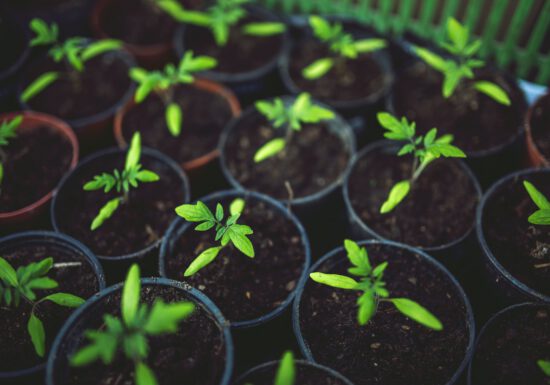
Starting seeds indoors is great way to make your garden successful from the start. Nurturing and watching seedlings grow from nothing into a fully grown plant can be incredibly rewarding.

Gardeners have asked how to be more successful with starting their own seeds and the problems usually boil down to simple, common mistakes. Here are the three most common mistakes and how to fix them.

In a few short weeks your seedlings will be ready to transplanted into the garden!

1. Problem: Not Enough Light

A common mistake beginner seed starters make is not giving their seeds enough light. New seeds need a lot of light to get growing. You can start with a south facing window, but if it doesn’t get 6+ hours a day, it probably won’t do.

Solution: Artificial lights.

Using grow lights, found at your local garden center, can provide the ample amount of light your seedlings need. Hang lights from chains, so you can lower and raise them as they grow. Keep lights about 2-3 inches above the seedlings.

2. Problem: Too Much or Not Enough Water

This is the most challenging part about starting seeds. Seedlings are incredibly delicate and need to be watered just right. Keep potting mix moist, but not wet.

Solution: Check seedlings regularly.

First, cover your seed starting container with plastic until the seeds germinate. This will trap any moisture in and will help keep the soil moist. Use a misting spray bottle until seedlings appear to avoid overwatering. Once your seedlings are established, water from the bottom. Your container should have drainage holes, so let your plants soak up the water from the holes to minimalize the risk of overwatering. Lastly, check your plants every day.

3. Problem: Starting Too Soon

Many beginners try to start seeds as soon as they buy them, instead of when the package advises. We all get a little excited to have green plants growing again, but if started too soon, they can die off from the cold.

Solution: Find out when your expected last frost is.

Seeds should usually be started four to six weeks before your last frost date. This will ensure that by the time your seedlings are ready to be transplanted, your soil will have started to warm up.  You may need to place your seedlings outside during the day and bring them in at night for a few days to get them acclimated to the outside temperatures. Before you plant your seedlings in the ground, use Espoma’s Bio-Tone Starter Fertilizer to give your soil and new seedlings the head start they deserve.

In a few short weeks you’ll be ready to transplant!


Ready for tomatoes?

https://www.espoma.com/wp-content/uploads/2018/02/Seedling-e1522271372241.jpg 400 600 espoma https://www.espoma.com/wp-content/uploads/2023/05/espoma-logo340w-1.png espoma2018-02-27 10:55:022022-04-12 09:09:083 Common Seed Starting Problems and How to Fix Them

7 Tricks for Starting Tomato and Peppers Seeds Indoors

January 24, 2018/in Vegetable Gardening

Dreaming of juicy, flavorful tomatoes and ripe, spicy peppers? Grow them yourself in only a few months.

If you’re as excited about tomato season as we are, why not get started now?

The best way to get a head start on growing tomatoes is to start seeds indoors 4-6 weeks before the last spring frost date in your region. Whether you’re growing cherry tomatoes or hot peppers, visit your local garden center to pick up supplies and seeds.

Here’s how to start tomato and pepper seeds indoors:

  1. Test Seeds

If you saved tomato seeds from last year and stored the seeds properly, they should last for about four years. Pepper seeds will last about two to three years.

Check seeds for vitality before planting for a successful crop. Need seeds? Find them at your local garden center.

Test your seeds a few weeks before you’re ready to start. Place several seeds on a wet paper towel cover it with plastic and place it in a warm spot. If the seeds are viable, they should sprout within a week.

  1. Soak Seeds

Give your seeds a head-start. Simply soak seeds in warm water for 2-4 hours to soften. Read the instructions on the seed packet to ensure the optimal conditions for your seeds.

  1. Start Seeds

Gather supplies and fill seed trays to within ¼” of the top with Espoma’s Organic Seed Starting Mix. Follow instructions on the seed packets to see how deep and far apart to plant. Cover with soil, press down and lightly water.  Find out more about starting seeds here.

  1. Add Heat

Once the seeds are planted, it’s time to warm them up. Heat loving crops like tomatoes and peppers love the warm weather. While your seedlings are sprouting, store them on top of the fridge or in a warm place. An even better option is use a special heating mat. The warm temperatures help to speed up the growing process. Make sure to check seeds daily for moisture since the soil may dry out more quickly.

  1. Feed

Once the true leaves have developed, seeds will benefit from a nutrient boost. Add Espoma’s Organic Tomato! plant food to feed instantly.

  1. Thin Plants

Thinning is the process of removing weaker seedlings to allow more room for the stronger ones. It creates healthier plants that produce more. As seedlings grow and you see crowding beginning to happen, gradually thin plants to 4” apart by gently pulling out the smallest ones with your hands.

  1. Prepare for Transplant

Start hardening off plants once the last frost date has past. Place seedlings outdoors for seven to 10 days for a few hours each day. Once plants are ready for transplanting, gently remove plants from containers without damaging the roots. Plant in a prepared bed and mix in Espoma’s Bio-tone Starter Plus, to keep roots strong.  Once plants are established in the garden or container feed with Tomato! liquid or  Tomato-tone.

See our guide to growing tomatoes here


Where to Buy


https://www.espoma.com/wp-content/uploads/2017/05/tomato-varieties-heirlooms.jpg 3744 5616 espoma https://www.espoma.com/wp-content/uploads/2023/05/espoma-logo340w-1.png espoma2018-01-24 15:00:222022-04-12 08:53:227 Tricks for Starting Tomato and Peppers Seeds Indoors

5 Summer Edibles it’s not Too Late to Plant

June 27, 2017/in Vegetable Gardening

It’s never too late to start an edible garden. Different fruits and vegetables thrive in all types of conditions, so you’re bound to find the perfect fit for your garden, regardless of the season.

In fact, some summer favorites can be planted now for a delicious late summer or early fall harvest. Make sure to use Espoma’s Organic Garden-tone when growing veggies this summer.

Consider these options for late June – early July planting.

Beets

These little red veggies thrive in conditions with warm days and cooler nights, making them perfect for areas with a mild summer climate. They can also adapt to grow in cool weather, making your harvest last through the fall and winter. Beets prefer full sun when possible, but still produce leafy greens in the shade.

Aside from being delicious, beets also have a ton of nutritional benefits. With loads of vitamins A and C, iron, potassium, and calcium, beets can help protect you from heart cancer.

Cucumbers

Nothing says summer flavor like a delicious, crisp cucumber. Cucumbers serve as a perfect addition to any summer salad or cocktail, or they can stand on their own as a yummy snack. Cucumbers thrive in warm weather and that hot summer heat will give you delicious sprawling cucumbers in as little as 50 days.

Harvest cucumbers before they get too big to encourage continued growth.

Peas

Sweet, crisp and crunchy – what else could you want from a summer vegetable? Sugar snap peas need at least six hours of full sun every day and thrive in sunny spots. As sugar snap peas grow up, support them with a trellis or stake. They will be ready to harvest within 60-90 days of planting, which will give you a delicious late summer – early fall treat.


Zucchini is definitely a fan favorite when it comes to summer squash. This fast-growing vegetable will be ready to harvest within 45-55 days after sowing seeds. Zucchini tastes best when it measures around 4-6 inches. If it grows much bigger, the flavor will become bitter.

Be sure to give your zucchini plants plenty of room to grow as they often produce lots of vegetables very quickly.

Melons

If you live in a climate where the hot summer heat lasts well into the fall, try planting watermelons in your vegetable garden. Watermelons are extremely pest and disease resistant, making them perfect for an organic garden. Watermelons typically need 80-100 days of hot, humid weather to develop their delicious sweet taste, so only plant if you live in the right climate.

For those in climates a bit milder, try planting honeydew or cantaloupe. These melons prefer warm weather but don’t require the same amount of heat as watermelons.

*****

When Planting we recommend using  Espoma Organic Bio-tone Starter Plus to help produce large root systems very quickly. This will help ensure that new plantings get maximum water and nutrients from the soil to minimize transplant loss.


Featured Products:


Where to Buy


https://www.espoma.com/wp-content/uploads/2017/05/Beets.jpg 976 1280 espoma https://www.espoma.com/wp-content/uploads/2023/05/espoma-logo340w-1.png espoma2017-06-27 17:15:412023-06-27 13:22:235 Summer Edibles it’s not Too Late to Plant

Five Vegetables to Plant in the Shade

May 30, 2017/in Vegetable Gardening

Summer gardens filled with fresh fruits and lots of veggies are worth the work. And while gardeners with shady areas may be envious, they can still have plenty of success on their own vegetables.

After, the secret to good crops is really in the soil.

A shady space that gets as little as two hours of direct sunlight a day is still a prime location for a veggie garden filled with root or leafy vegetables. Plus, you’ll have a longer growing period for cool-season crops.

Read on for five vegetables that don’t need to full sun.


5 Vegetables that Grow in Shade:

  1. Beets

Easy to grow in almost any space, beets are a shade gardener’s best friend. Beets can be used for both their roots and their greens. Sow seeds directly in the ground in early spring for the best flavor.

  1. Bok Choy

This cold-weather vegetable can withstand cooler temps and shade. Use in soups, salads and stir-fries. Sow seeds directly in ground in both the fall and spring for two harvests.

  1. Kale

Cold-hardy and resilient, kale will grow for months until the weather gets too hot. This plant can be added to stir-fry, salads, omelets and smoothies for a healthy addition. Plant kale about two months before your first frost.

  1. Turnips

Eat turnips raw or cook and serve in soups, stir-fries or mashes. These plants thrive in cool temperatures and shade. Scatter turnip seeds in your garden two to four weeks before the last frost in spring or from late August to October.

  1. Garlic

Requiring almost no space, garlic is simple to grow. Break off cloves from a whole bulb and plant in the ground. To harvest big and flavorful bulbs next summer, plant garlic in the fall. Allow garlic to cure after harvesting in an airy, shady spot for two weeks.

Want to get kids involved in vegetable gardening? Learn more about kid-friendly gardening.

https://www.espoma.com/wp-content/uploads/2017/05/Beets.jpg 976 1280 espoma https://www.espoma.com/wp-content/uploads/2023/05/espoma-logo340w-1.png espoma2017-05-30 16:31:032019-05-07 10:02:02Five Vegetables to Plant in the Shade

May Gardening Checklist: 5 Essential To-Dos for a Thriving Garden

May 2, 2017/in Blog, Spring Gardening

May is one of the busiest and most exciting months in the garden. Flowers are blooming, veggies are sprouting, and summer crops are ready to go in. But to keep your garden thriving naturally, it’s important to use the right organic products to nurture your soil, plants, and harvest.

Here’s your Espoma-approved May checklist to prep your garden for a healthy, productive summer season.

Garden Clean up

1: Tidy Up Your Garden Space

Start fresh by clearing out weeds, dead plants, and old debris — this keeps pests and diseases in check and opens up space for new growth. As you tidy up, top off your beds with Espoma Organic Land & Sea Gourmet Compost to enrich the soil with nutrients and improve texture.

Once your garden is clean, you can apply a layer of mulch to help conserve moisture and regulate soil temperature. This simple prep sets the stage for everything that comes next.

spring crops

2: Harvest Early Spring Crops

Your cool-weather crops like lettuce, spinach, radishes, and peas are likely ready to harvest. After picking, don’t leave that soil depleted! Replenish it by working in Espoma Organic Garden-tone or Plant-tone to restore nutrients before planting your summer vegetables.

For container gardens, refresh the mix with Espoma Organic Raised Bed Mix or Potting Mix so your new plants have a rich, organic base to grow in. Healthy soil = healthy crops.

People planning a project

3: Plan Your Garden Layout Thoughtfully

Before you rush to plant, take a little time to sketch out your garden plan. Group plants with similar needs together, and research what varieties perform best in your area. If you’re unsure, visit a local garden center and look for recommendations — and while you’re there, pick up organic fertilizers suited for what you’re planting (like Espoma Organic Tomato-tone for tomatoes, Berry-tone for berries, or Rose-tone for roses).

Planning ahead ensures you can match the right organic products to the right plants, maximizing growth and minimizing problems down the line.

planting with organic fertilizer

4: Get Planting — and Feed Organically

Once your area is frost-free, it’s time to plant! Whether you’re planting veggies, flowers, or herbs, give them the best start by enriching the planting hole with Espoma Organic Bio-tone Starter Plus. This starter fertilizer contains mycorrhizae, which help plants establish strong root systems and reduce transplant shock.

As the season goes on, continue feeding regularly with Espoma Organic Tone Fertilizers, depending on what you’re growing. These slow-release, organic fertilizers keep plants nourished naturally, without the risk of burning or chemical buildup.

planting

5: Transfer Indoor Seedlings Outdoors Carefully

If you started seeds indoors, harden them off gradually before moving them outside. Once ready, plant them in your garden or containers and mix Espoma Organic Bio-tone Starter Plus into the soil. This ensures young plants have access to the nutrients and beneficial microbes they need to get established and grow strong healthy roots.

For containers, fill pots with Espoma Organic Potting Mix, which provides excellent drainage and moisture retention while feeding plants with organic ingredients. Don’t forget to water thoroughly after transplanting to help roots settle in.

family in vegetable garden

🌸 Bonus Tip: Keep Feeding and Caring All Season Long

Throughout the summer, keep an eye on your plants. Feed every month or as needed with the appropriate Espoma Organic fertilizer for each plant type. Water deeply at the base, mulch to retain moisture, and enjoy the lush, organic garden you’ve worked so hard to create.

With the right products and a little care, you’ll be harvesting beautiful, homegrown food and flowers all summer long — the organic way!

Featured Products:

Espoma Organic Potting soil Mix Big bagEspoma Organic Land and SeaEspoma Raised Bed Mix bag  Espoma Organic Tomato-toneEspoma Organic Rose-tone bagEspoma Organic Plant-tone organic fertilizer

Where to Buy

https://www.espoma.com/wp-content/uploads/2018/05/Curb-appeal-hosta-black-eyed-susan.jpg 850 1280 espoma https://www.espoma.com/wp-content/uploads/2023/05/espoma-logo340w-1.png espoma2017-05-02 08:00:312025-05-06 14:10:27May Gardening Checklist: 5 Essential To-Dos for a Thriving Garden

6 Fruits and Veggies for Kids

April 4, 2017/in Fruits & Vegetables

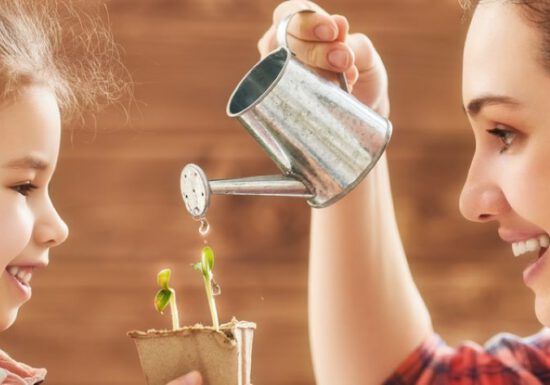
Convincing kids to eat healthy may seem like a constant battle, but it doesn’t have to be. What easier way to get kids excited about fruits and veggies than by having them plant their own?

Growing food with kids is a great interactive learning experience. Not only will they get to spend time outdoors getting their hands dirty — what kid doesn’t love that? — they also have the chance to learn more about eating healthy and the science of growing.

For best results, choose a food that you already know your child enjoys, but isn’t too difficult to grow.

6 Plants Perfect for Kids

1. Strawberries

Trick kids into eating healthy with nature’s candy! Strawberries are a deliciously sweet snack and are also extremely high in vitamin C. Plant strawberries in your garden or start inside and then transfer outdoors.

2. Blueberries

Another sweet snack kids are sure to love, blueberries are nutritional powerhouses. These little berries are packed with antioxidants, fiber, and vitamins C and K. They can be grown in containers or freely in the garden. Blueberry bushes can grow very tall, maybe even taller than your little ones!

3. Peas

This cold weather crop can withstand lower temps, so start planting in early spring. Sweet peas, snow peas and sugar snap peas are easy to grow and kids will love watching them grow tall on a trellis or vine. Simply snap off and pop in your mouth for a healthy snack on the go.

4. Tomatoes

With all the different varieties of tomatoes, there is bound to be at least one your child likes. Try planting bite-size tomatoes, such as cherry or grape varieties, making it easier for kids to pick and enjoy. Smaller tomatoes like these are often sweeter, too, making for a better healthy snack. Don’t forget to feed with Espoma’s Tomato-tone, which is formulated specifically for boosting tomato growth. The best part is, it’s completely organic, making veggies safe to eat for you and your family.

5. Carrots

Growing carrots can teach kids another lesson in the garden – patience. Allowing your little ones to dig up these underground veggies will be well worth the wait. It’s almost like hunting for hidden treasure! Try growing in a variety of colors to create a rainbow of veggies.

6. Cucumbers

Cucumbers grow long and fast, making it exciting for kids to watch their progress. Have each child choose a cucumber and start a contest to see whose grows fastest. When ready to be picked, cucumbers are the perfect refreshing snack on a nice warm day.

No yard? No problem! Watch this video to learn how to grow edibles in containers.

See our guide to growing tomatoes here

See the Total Berry Guide Here

Which fruits and veggies will you plant with your little ones? Let us know in the comments below!

*****

Featured Products:

Espoma Organic Tomato-tone


Where to Buy


https://www.espoma.com/wp-content/uploads/2017/04/Seedling.jpg 3733 5600 espoma https://www.espoma.com/wp-content/uploads/2023/05/espoma-logo340w-1.png espoma2017-04-04 09:00:052024-09-01 06:41:596 Fruits and Veggies for Kids
Page 6 of 9«‹45678›»
Where to Buy

Get News & Updates

Recent Posts

  • Video: Feeding Evergreens with Skye Hamilton 🌲
  • VIDEO: A Formal Garden Tour with Summer Rayne Oakes
  • VIDEO: Repotting in the Greenhouse with Garden Answer
  • VIDEO: How to Winterize Your Chicken Coop with Summer Rayne Oakes
  • VIDEO: Planting Spring Bulbs in Containers 🪴🌷 with Summer Rayne Oakes

Tags

All-Purpose Potting Mix bio-tone Bio-tone Starter Bio-tone Starter Plus Cactus Mix caring for houseplants Container Gardening DIY project Espoma espoma grown espoma organic Espoma Organics Espoma Video fall gardening Family fert flower garden flowers garden Garden Answer Gardening gardening tips gardens grow holly-tone houseplants Indoor! indoor gardening indoor plants Kaleb Wyse organic organic fertilizer Organic Gardening organic plant food Organic Potting Mix Outdoor Gardening Planting plants Potting Mix potting soil Spring Gardening summer rayne oakes vegetable garden Vegetable Gardening Wyse Guide

Espoma. A Family Tradition Since 1929.

Espoma Organic logo
  • Espoma Dealer
  • Espoma Pro
  • Garden Club
  • Privacy Policy

Scroll to top