Espoma Organic
  • Products
    • Close
    • Product Line Overview
    • Plant food finder
    • Garden Fertilizers
    • Potting Soils
    • Lawn Fertilizers
    • Liquid Fertilizers
    • Single Ingredients
    • Conventional Plant Foods
    • Animal Care Products
  • Where to Buy
  • Our Story
    • Close
    • Our Story
    • Locations
    • Historical Timeline
    • Our Commitment
    • Directions
    • Solar
    • Join our Team
    • Espoma Brand Partners
  • Learn
    • Close
    • Espoma Blog
    • FAQ’s
    • Pocket Guide
    • Espoma Guides
    • Garden Clubs
    • Safe Paws Lawn
    • PRODUCT FACT SHEETS
    • Fertilizer Fundamentals
      • Close
      • Understanding Plant Nutrition
      • Reading Labels
      • Choosing the Right Type of Fertilizer
      • Terms & Definitions
    • Gardening Projects
    • Resource Links
  • Contact Us
  • Menu Menu

Tag Archive for: Garden Answer

Fern Care Guide

February 22, 2019/in Blog, Indoor Gardening

Ferns are classic yet fussy houseplants. Laura @GardenAnswer has all the tips and tricks you need to be successful in growing ferns indoors.

Here are 10 things to keep in mind as you tend to your fern:

Light Exposure

Contrary to popular belief, ferns need quite a bit of light. Though, they don’t like to be in direct sunlight as their foliage will change to a light yellow color or burn. Keep them near a place that receives plenty of sunshine throughout the day.

Only a few varieties can handle shade and moisture as most people think. Check your plant tag for the most accurate information about your fern.

Temperature

Ferns like their surroundings to be similar to what we like between 65 and 75°F, matching the temperatures in our home. They don’t like it too drafty so keep them away from doors that lead outside and away from air vents.

Humidity

This is the most important thing to be aware of for keeping your fern healthy, especially if you live in a dry climate. Placing your fern in a bathroom or kitchen near the water source can help, since they typically get more moisture in there naturally.

For a more decorative option, place pebbles in a tray with some water and place your fern on top. The moisture will carry up to the foliage as it evaporates. Add water to the tray as needed.

Soil Type

Use Espoma’s Organic Potting Mix for your ferns. Organic potting mixes have the right kind of drainage and will hold just enough water that is needed without drowning your fern.

Repotting

Typically, ferns need to be repotted every two years. Check its roots once a year. If the roots are starting to circle around the container, it is time to repot. If there is still soil around the edge of it, it should be fine for another year.

When it is time to repot your fern, only go up one size for your container. Be sure there is a drainage hole at the bottom of your container. Place a small layer of Espoma’s Organic Potting Mix in the bottom and fill around the sides as needed.

Watering

Ferns like to be consistently damp, but not wet and soggy like many people think. Each fern and home is a bit different, especially this time of year. Water your fern and keep an eye on it. If the soil at the top feels dry, water it again.

Fertilizing

Ferns like to be fed about once a month during their growing season. Each zone and climate will have a different growing season, which you can ask your local garden center about. Feed your fern with Espoma’s Organic Indoor! liquid plant food. Check the label for instructions on how to use.

Grooming

All houseplants should be groomed about once a month. Remove any foliage that looks damaged, unhealthy, or is turning brown or yellow. Discard any leaves or debris that is on top of the soil to keep insects and diseases at bay.

Insects

The most common insects to watch out for are mealybugs, aphids, fungus mites, white flies, and spider mites for just about any houseplant. If you are unsure of the insect you are dealing with, take a picture and take it to your local garden center. They will be able to offer suggestions on how to get rid of it.

Toxicity

Ferns are non-toxic, but it is still a smart idea to keep your pets and kids away from eating or playing with a fern. That might just cause a tummy ache or a mess in your home!

*****


Where to Buy


https://www.espoma.com/wp-content/uploads/2019/02/fern-1.jpg 1080 1920 espoma https://www.espoma.com/wp-content/uploads/2023/05/espoma-logo340w-1.png espoma2019-02-22 11:00:232024-09-07 08:00:46Fern Care Guide

Succulent Pot in a Pot – Quick Version

February 27, 2019/in Espoma Videos
Read more
https://www.espoma.com/wp-content/uploads/2019/01/IMG_2724.jpeg 3314 5891 espoma https://www.espoma.com/wp-content/uploads/2023/05/espoma-logo340w-1.png espoma2019-02-27 09:46:482020-02-04 14:47:55Succulent Pot in a Pot – Quick Version

Succulent Pot in a Pot

January 30, 2019/in Espoma Videos

Social media is blowing up with a new trend – the Succulent Pot in a Pot. It is a fun way to make a succulent arrangement that is a little out of the norm.

Basically, it is creating a potted succulent “floral” arrangement inside another pot. You use a small container for the base of your arrangement and place it on its side in the larger container. You fill in the area above the small pot with succulents so, when you look down into the larger pot, you’ll see a beautiful “floral” arrangement made out of succulents.

It might seem a bit complicated in the explanation, but this project is simple, fun and adorable to look at all year long.

Step 1 – Fill Your Large Container

Grab a container that has proper drainage as succulents don’t like to be in too much water. Use an aerating soil, like Espoma’s Organic Cactus Mix to fill your container one inch from the brim. This will allow room for you to sink in the smaller container and plant your succulents.

Step 2 – Lay in Your Small Container

Gently sink your smaller container into the soil. You want the bottom half of it to be buried, so the finished product will look right.

Step 3 – Place Your Plants

Starting towards the opening of the smaller pot, place your succulents the same way you would make an upright arrangement. Get creative with the plant use and layout. Go with contrasting colors or various shades of the same. Laura wanted this to be an ode to Valentine’s Day and went with shades of pinks, yellows and light greens.

*Expert Tip: Dress up your soil with pebbles, mulch or even miniature succulents to disguise the soil and give it a more polished look.

Care Instructions

Take care of this arrangement the same way you would any other arrangement. If you used any cuttings, give it a week to allow them to heal before watering it in. When watering try to avoid watering the tops of the succulents – get as close to the soil as possible. Be mindful that in the winter, you may only need to water it every 10 to 14 days. While in the summer, you will be watering it once a week.


Where to Buy
https://www.espoma.com/wp-content/uploads/2019/01/IMG_2724.jpeg 3314 5891 espoma https://www.espoma.com/wp-content/uploads/2023/05/espoma-logo340w-1.png espoma2019-01-30 12:14:572019-05-07 09:57:02Succulent Pot in a Pot

What to Do with Leggy Succulents

January 21, 2019/in Espoma Videos
Read more
https://www.espoma.com/wp-content/uploads/2019/01/IMG_2593.jpeg 3368 6000 espoma https://www.espoma.com/wp-content/uploads/2023/05/espoma-logo340w-1.png espoma2019-01-21 14:00:082024-08-21 05:24:08What to Do with Leggy Succulents

Poinsettia Care Guide from Garden Answer

December 18, 2018/in Espoma Videos

Showcasing poinsettias at Christmas time has long been an American tradition, even though the plants are native to Mexico. What we think of as the large petaled, red flowers are actually modified leaves called bracts.  The true flowers are the tiny ones in the middle. Today they come in a wide array of colors from shades of red, orange, pink, yellow and white. Some varieties even have cream and green variegated leaves.

Choose Healthy Plants from the Start

When you shop for a poinsettia plant, make sure they aren’t situated too close to the door of the store, where they are repeatedly exposed to warm and cold air. Cold temperatures can easily harm these tropical plants. Check the foliage to see that it looks healthy and the inner bracts are a solid color, not showing any green. That would mean that they are nearly finished flowering. Lastly, before leaving the store make sure it’s in a sleeve or put another bag over the top of it so that it won’t freeze on the way to the car.

Give Poinsettias Proper Care at Home

As you can imagine, these tropical plants like lots of sunshine. Put them in your brightest window but not touching the glass, as it can be quite cold.  Keep them away from drafts both warm and cold. Water your poinsettia when the soil feels dry on the surface. Check the soil regularly, as the indoor air can be warm and dry in the winter. Natives of a humid climate, they will definitely appreciate being misted now and then. Like most house plants, they don’t like to be in standing water. Check to see if the foil liner allows water to drain freely and cut it open if not.

Stay Safe Around Poinsettias

Poinsettias are known for being toxic to pets and humans. However, in reality you would have to ingest a very, large amount to become ill. The white sap can be a skin irritant. Wash your hand well if you get any sap on them. It’s always best to set them up high away from kids and pets and that’s probably where you’d put them anyway so, they don’t get knocked over.

Buy A New One For Next Year

One last thought, think of your poinsettia as an annual plant and plan on buying a new one next year. It’s a tricky business to get them to bloom again that involves a strict light and dark regime. Even very short periods of light at night for instance, from a street lamp can prevent them from blooming.


Can’t get enough holiday plants? Check out this video on caring for your Christmas Cactus.


https://www.espoma.com/wp-content/uploads/2018/12/IMG_2521.jpg 3368 6000 espoma https://www.espoma.com/wp-content/uploads/2023/05/espoma-logo340w-1.png espoma2018-12-18 17:08:192019-05-07 09:57:03Poinsettia Care Guide from Garden Answer

Autumn Fairy Garden DIY (Extended Cut)

October 1, 2018/in Espoma Videos

Cooler temperatures, changing leaves, crisp apples and pumpkin picking are all signs that fall is here. Make fall come to life in your very own fairy garden!


Fairy gardens do better when in an area protected from the elements. When thinking about where to create or place your fairy garden, think about the environmental factors like wind and rain that can ruin the garden. When Laura is done creating her fairy garden, she will place it on her covered porch where it will be protected!

Before we begin, there are a few things to note:

  • There is no drainage in this miniature garden, so water lightly and only when the plants need it. Laura suggests using a syringe to get the right amount of water exactly where it’s needed.
  • If using shapecrete, it may still be soft after 30 minutes of curing, so don’t put too much weight on it. It will continue to cure for 24 hours.
  • This is a seasonal project, so before winter comes find a new home for the plants, either in a greenhouse or indoors, in order to preserve them.

Watch Laura dive into this fun autumn fairy garden! Here is a list of supplies she uses.

Materials Used:
Old Suitcase
Heavy Black Plastic
Espoma’s Organic Potting Mix
Small Plants
Tree Figurines with LED lights
Shapecrete
Native soil
Putka Pods (Look like Miniature Pumpkins)
Autumn Themed Fairy Figurines and Décor
Mulch
Embellishments

Plants Laura Used:
Tiny Tim Euphorbia
Irish Moss
Straw Flower
Creeping Jenny
Sempervivums

How to Create an Autumn Fairy Garden:

  1. Line an old suitcase with heavy plastic in order to preserve it and keep the soil in one place.
  2. Fill with Espoma’s Organic Potting Mix and trim the excess plastic from the container to make it look clean and precise.
  3. Add plants. Remember to work from back to front adding height and texture to the miniature landscape. Use plants that will stay small, so they don’t outgrow your garden.
  4. Add tree figurines. If they light up, keep them near the sides so the cords don’t get wet.
  5. Create a road or pathway for your fairies. Cut photo paper to make a guide where you want the road to go. Mix water with shapecrete and pour between the photo paper. Let dry 30 minutes before removing the paper. It’ll continue to cure for 24 hours.
  6. Now is the time to set the autumn scene and add in your fairy garden figurines. Laura used putka pods, miniature straw bales, apples in a barrel, a Farmer’s Market stand, a worker and a truck full of pumpkins! Feel free to add some mulch and native soil to give it an authentic field feel.
  7. Decorate the lid of your suitcase with fall themed embellishments. Laura added a bunting banner in fall colors.

Enjoy your new fairy garden!

Use Espoma’s organic potting mix in your fairy garden.

Espoma Organic Potting Soil Mix


Where to Buy
https://www.espoma.com/wp-content/uploads/2018/10/IMG_0177.jpg 3232 5759 espoma https://www.espoma.com/wp-content/uploads/2023/05/espoma-logo340w-1.png espoma2018-10-01 17:31:402024-08-30 15:10:13Autumn Fairy Garden DIY (Extended Cut)

Autumn Fairy Garden DIY

October 1, 2018/in Espoma Videos

Cooler temperatures, changing leaves, crisp apples and pumpkin picking are all signs that fall is here. Make fall come to life in your very own fairy garden!


Fairy gardens do better when in an area protected from the elements. When thinking about where to create or place your fairy garden, think about the environmental factors like wind and rain that can ruin the garden. When Laura is done creating her fairy garden, she will place it on her covered porch where it will be protected!

Before we begin, there are a few things to note:

  • There is no drainage in this miniature garden, so water lightly and only when the plants need it. Laura suggests using a syringe to get the right amount of water exactly where it’s needed.
  • If using shapecrete, it may still be soft after 30 minutes of curing, so don’t put too much weight on it. It will continue to cure for 24 hours.
  • This is a seasonal project, so before winter comes find a new home for the plants, either in a greenhouse or indoors, in order to preserve them.

Watch Laura dive into this fun autumn fairy garden! Here is a list of supplies she uses.

Materials Used:
Old Suitcase
Heavy Black Plastic
Espoma’s Organic Potting Mix
Small Plants
Tree Figurines with LED lights
Shapecrete
Native soil
Putka Pods (Look like Miniature Pumpkins)
Autumn Themed Fairy Figurines and Décor
Mulch
Embellishments

Plants Laura Used:
Tiny Tim Euphorbia
Irish Moss
Straw Flower
Creeping Jenny
Sempervivums

How to Create an Autumn Fairy Garden:

  1. Line an old suitcase with heavy plastic in order to preserve it and keep the soil in one place.
  2. Fill with Espoma’s Organic Potting Mix and trim the excess plastic from the container to make it look clean and precise.
  3. Add plants. Remember to work from back to front adding height and texture to the miniature landscape. Use plants that will stay small, so they don’t outgrow your garden.
  4. Add tree figurines. If they light up, keep them near the sides so the cords don’t get wet.
  5. Create a road or pathway for your fairies. Cut photo paper to make a guide where you want the road to go. Mix water with shapecrete and pour between the photo paper. Let dry 30 minutes before removing the paper. It’ll continue to cure for 24 hours.
  6. Now is the time to set the autumn scene and add in your fairy garden figurines. Laura used putka pods, miniature straw bales, apples in a barrel, a Farmer’s Market stand, a worker and a truck full of pumpkins! Feel free to add some mulch and native soil to give it an authentic field feel.
  7. Decorate the lid of your suitcase with fall themed embellishments. Laura added a bunting banner in fall colors.

Enjoy your new fairy garden!

Use Espoma’s organic potting mix in your fairy garden.

Espoma Organic Potting Soil Mix


Where to Buy
https://www.espoma.com/wp-content/uploads/2018/10/IMG_0167.jpg 3368 6000 espoma https://www.espoma.com/wp-content/uploads/2023/05/espoma-logo340w-1.png espoma2018-10-01 17:13:122019-05-07 09:57:34Autumn Fairy Garden DIY

How to Feed Acid-Loving Plants with Holly-Tone

September 21, 2018/in Espoma Videos

Holly-tone is an organic & natural fertilizer that’s not just for Hollies. It can be used for any acid-loving plants, such as blueberries, camellias, rhododendrons, evergreens, hydrangeas and more.

You will want to fertilize your plants twice a year – In early spring and late fall. When you apply the fertilizer in late fall, only use half of the recommended dosage.

How to Apply Holly-tone:

Before fertilizing your acid-loving trees, shrubs and plants with Holly-tone, be sure to take a look at the back of the bag. It lays out instructions for each type of plant to give it the best chance to grow.

Trees:

When fertilizing trees, first figure out the diameter of the tree trunk. This will help you determine how much fertilizer to use. Use one pound of fertilizer for each inch of your tree.

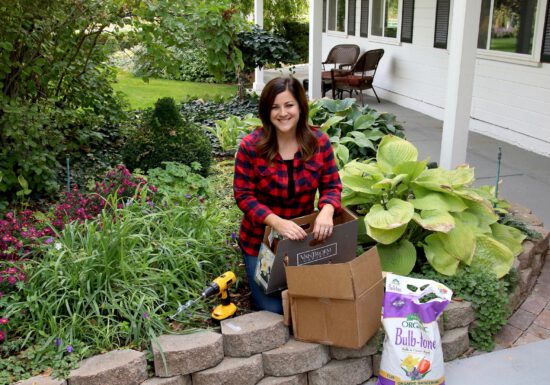
Drill holes every 2-3 feet around the drip line of the tree, in the video Laura demonstrates using a drill and hole auger. The drip line is basically where the canopy of the tree ends. Distribute the fertilizer evenly in each hole, backfill and water in.

Note: Arborvitae and boxwoods are not acid-loving evergreens, so use Plant-tone instead.

Shrubs:

Shrubs are a bit easier to fertilize than trees, since there is no digging required. Similar to trees, the amount of fertilizer used is based on how big the shrub is. Use one cup of fertilizer for every foot of branch diameter. Sprinkle it around the drip line of the plant, work it into the soil and water it in well.

Garden Beds:

Established garden beds are the simplest of the three to fertilize. Again, it’s all about the size of the beds you have in your garden. For every 100 square feet of your garden bed, use 5 pounds of fertilizer. Sprinkle it as evenly as possible where the plants are and water it in.

For new garden beds, use twice as much fertilizer to prepare the soil for new plants. For a 100 square foot garden bed, use 10 pounds of fertilizer. Sprinkle it on top of the soil and work it in the top 4 inches, to get it nice and prepped for the new plants.

Containers:

If you have plants like blueberries, in containers, you will want to use 1 teaspoon for every 3 inches of your pot diameter. Sprinkle it around the inside edge of the pot and water in.

Have non-acid-loving trees ready to be fertilized? Laura from Garden Answer shows how to fertilize with Tree-tone.

Product Featured in this Video

Where to Buy


https://www.espoma.com/wp-content/uploads/2018/09/IMG_9482-small.jpg 842 1500 espoma https://www.espoma.com/wp-content/uploads/2023/05/espoma-logo340w-1.png espoma2018-09-21 11:30:032019-05-07 09:57:34How to Feed Acid-Loving Plants with Holly-Tone

Garden Answer’s Top 5 Low Light Houseplants (Extended Cut)

August 14, 2018/in Espoma Videos

Sometimes the perfect place for a houseplant has little to no light. But that won’t  stop these low light houseplants from growing big and healthy. Laura from Garden Answer shows off her favorites and gives tips to keep them healthy.

Watch the quick version and see instructions here.


Products:

Espoma Organic Potting Soil Mix


Where to Buy


https://www.espoma.com/wp-content/uploads/2018/08/Thumbnail-2.jpg 1080 1920 espoma https://www.espoma.com/wp-content/uploads/2023/05/espoma-logo340w-1.png espoma2018-08-14 17:30:182024-09-02 04:42:42Garden Answer’s Top 5 Low Light Houseplants (Extended Cut)

Top 5 Low Light Houseplants

August 14, 2018/in Espoma Videos

Houseplants are great for adding color, décor, texture or even a little bit of health to any space in your home. Sometimes the best place to put a houseplant isn’t the most ideal for the plant, but with these low light houseplants, they will thrive in even the darkest corners. Don’t forget, these plants can go anywhere indoors, like an office space that can use a little life.

Garden Answer’s Favorite Low-Light Plants

Peace Lily

Not many plants that tolerate low light areas have blooms, but this one does! It has interesting green or white flowers that are the same texture as the foliage, which is dark and glossy. The flowers bloom for long periods of time. Peace lilies can grow 18 to 36 inches tall and wide, depending on the container you have them in. Water every week or so, be sure not to overwater, and as a friendly reminder the foliage will droop if it needs more water.

Pothos

This houseplant thrives in places out of direct sunlight and is super low maintenance, so place them wherever you want to enjoy them. They can be planted in hanging baskets or on ledges to allow the foliage to drape over and trail down. Water every 10 to 14 days.

Sansevieria

Also known as a Mother-in-law’s tongue or a snake plant, this houseplant has striking foliage that grows upward. It is a very modern plant that comes in different shapes, sizes and colors, so it will truly work with any decor. It is very low maintenance — just keep an eye on the foliage for wilting and water about every two weeks when the soil is completely dry. In the winter, you may go a month between waterings. Add water away from the plant – never pour over the leaves.

Spider Plant

This is another interesting plant to add to any space. It is multigenerational, meaning it is easy to propagate and pass on to others (even kids and grandkids) to start their own. The name Spider Plant comes from the off shoots on the foliage. They look like little spiders hanging from a web. Pinch an off shoot (or spider) and plant it in a pot with fresh Espoma Potting Soil to start a new plant. Water once a week to keep them happy.

ZZ Plant

The dark green healthy foliage on this plant is worth noting, though it isn’t always that way. The foliage starts off bright green when it is freshly planted and will darken as time goes on. While other plants can get little burns from being indoors, the ZZ plant is hardy enough to withstand anything, even the darkest of corners. This is probably the toughest plant of this list.

Remember, low-light houseplants need time to absorb water, so allow them to dry out in between watering. The peace lily is the only exception, as they prefer it a bit moist. Use a damp cloth to wipe down the leaves every month or so. This will help keep your plants looking better as dust settles on them. Be sure to keep the cloth damp as they need humidity to survive too. In addition to the cloth, spray a mist over the foliage with distilled water to amp up the humidity around the plant.

Feed your houseplants regularly with Espoma’s Indoor! liquid plant food. It is an all-purpose houseplant food to help give them the nutrients they need. Lastly, be sure to check the roots every six months to see if you need to move your plants to a bigger pot.


Products:

Espoma Organic Potting Soil Mix


Where to Buy


https://www.espoma.com/wp-content/uploads/2018/08/Thumbnail-1.jpg 1080 1920 espoma https://www.espoma.com/wp-content/uploads/2023/05/espoma-logo340w-1.png espoma2018-08-14 16:45:552024-08-21 04:54:10Top 5 Low Light Houseplants
Page 13 of 16«‹1112131415›»
Where to Buy

Get News & Updates

Recent Posts

  • Video: Feeding Evergreens with Skye Hamilton 🌲
  • VIDEO: A Formal Garden Tour with Summer Rayne Oakes
  • VIDEO: Repotting in the Greenhouse with Garden Answer
  • VIDEO: How to Winterize Your Chicken Coop with Summer Rayne Oakes
  • VIDEO: Planting Spring Bulbs in Containers 🪴🌷 with Summer Rayne Oakes

Tags

All-Purpose Potting Mix bio-tone Bio-tone Starter Bio-tone Starter Plus Cactus Mix caring for houseplants Container Gardening DIY project Espoma espoma grown espoma organic Espoma Organics Espoma Video fall gardening Family fert flower garden flowers garden Garden Answer Gardening gardening tips gardens grow holly-tone houseplants Indoor! indoor gardening indoor plants Kaleb Wyse organic organic fertilizer Organic Gardening organic plant food Organic Potting Mix Outdoor Gardening Planting plants Potting Mix potting soil Spring Gardening summer rayne oakes vegetable garden Vegetable Gardening Wyse Guide

Espoma. A Family Tradition Since 1929.

Espoma Organic logo
  • Espoma Dealer
  • Espoma Pro
  • Garden Club
  • Privacy Policy

Scroll to top