
Plant Once, Enjoy Seasonal Bursts of Color
Bulbs are underground storage structures that contain everything a plant needs to grow and bloom. Planted once, they return seasonally—many in spring or summer—bringing reliable color and excitement to your garden year after year.
Bulbs bring joyful, seasonal moments to your garden—often when you least expect them. With minimal effort and the help of Espoma organic products, you’ll enjoy waves of color that return year after year.

Videos
Favorite Bulbs You’ll Love
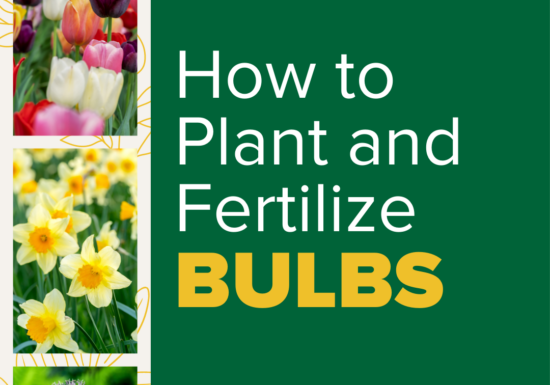
- Tulips – Classic spring color in endless varieties
- Daffodils – Bright, cheerful blooms that come back every spring
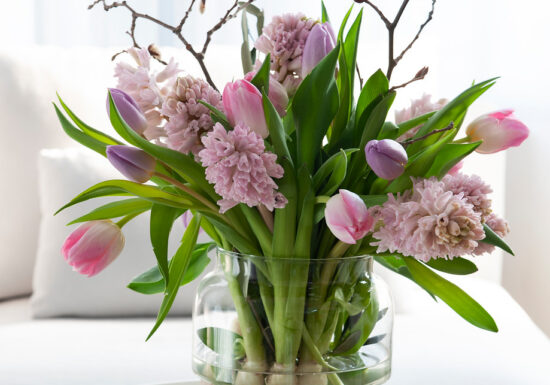
- Hyacinths – Fragrant flowers with bold, dense color
- Alliums – Unique globe-shaped blooms that add structure and interest
- Lilies – Elegant summer blooms with striking fragrance
- Crocus – Early spring flowers that often bloom through late snow
Why Gardeners Love Bulbs
- Seasonal Color Bursts – Early spring and summer blooms when you need them most
- Easy to Plant – Simple, beginner-friendly gardening
- Return Year After Year – Many naturalize and multiply over time
- Great for Layering – Combine with perennials and annuals for continuous color
- Pollinator Friendly – Early blooms support bees and other beneficial insects
How to Plant Bulbs:
- Pick the Right Timing
Plant spring-blooming bulbs (like tulips and daffodils) in fall. Plant summer-blooming bulbs (like lilies) in spring. - Choose the Right Spot
Most bulbs prefer full sun and well-drained soil. - Prep Your Soil
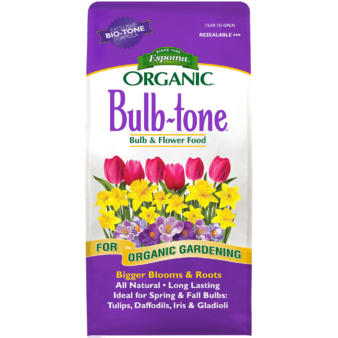
Loosen the soil and mix in Land & Sea Compost or Garden Soil to improve drainage and fertility. Blend in Bulb-tone to help bulbs establish strong roots. - Plant at the Right Depth
A good rule: plant bulbs about 2–3 times as deep as the bulb is tall, with the pointed end facing up. - Water & Mulch
Water after planting and add mulch to regulate soil temperature and retain moisture.
How to Care for Bulbs:
- Feed for Strong Blooms
Use Bulb-tone® again as shoots emerge to support healthy growth and vibrant flowers. - Watering Tips
Keep soil lightly moist during active growth. Avoid overly wet soil, which can cause bulbs to rot. - After Bloom Care
Let foliage die back naturally—it helps store energy for next year’s blooms. - Divide When Needed
If clumps become crowded over time, dig and divide bulbs after foliage has faded.
Guides & Articles

9 Groundbreaking Tips for Summer Bulbs
We often think of planting bulbs as a Fall activity for Spring color, but there are many Summer Bulbs that…

Plant Fall Bulbs to Brighten Your Spring
Bulbs are so easy to plant, and so worthwhile when they bloom. What are you waiting for? Get inspired by…
A Checklist for Fall Garden Maintenance
Summer has come and gone— but that doesn’t mean you should give up and let your garden go for the…
BAGR Episode 150 Blog: All the Bulb Basics You Need
[av_textblock size=” av-medium-font-size=” av-small-font-size=” av-mini-font-size=” font_color=” color=” id=” custom_class=” av_uid=’av-l60opiim’ admin_preview_bg=”] All the Bulb Basics You Need Bulbs produce some…

Gardening Resolutions with Team Espoma
Here at Espoma, we’re constantly making plans and growing. But the new year is always a good time to slow…
Tulip Time
It’s still summer — time for picnics, backyard barbeques and going to the beach. Kids get to stay up late…