Espoma Organic
  • Products
    • Close
    • Product Line Overview
    • Plant food finder
    • Garden Fertilizers
    • Potting Soils
    • Lawn Fertilizers
    • Liquid Fertilizers
    • Single Ingredients
    • Conventional Plant Foods
    • Animal Care Products
  • Where to Buy
  • Our Story
    • Close
    • Our Story
    • Locations
    • Historical Timeline
    • Our Commitment
    • Directions
    • Solar
    • Join our Team
    • Espoma Brand Partners
  • Learn
    • Close
    • Espoma Blog
    • FAQ’s
    • Pocket Guide
    • Espoma Guides
    • Garden Clubs
    • Safe Paws Lawn
    • PRODUCT FACT SHEETS
    • Fertilizer Fundamentals
      • Close
      • Understanding Plant Nutrition
      • Reading Labels
      • Choosing the Right Type of Fertilizer
      • Terms & Definitions
    • Gardening Projects
    • Resource Links
  • Contact Us
  • Menu Menu

Tag Archive for: Plant Food

VIDEO: A Formal Garden Tour with Summer Rayne Oakes

February 10, 2026/in Blog, Espoma Videos, Summer Rayne Oakes

In this garden tour, Summer Rayne Oakes takes us somewhere unexpected. Tucked down a quiet dirt road at the edge of forest and estuary is a formal garden designed by Serge Brunner, a third-generation member of the Espoma Organic family. Inspired by the grandeur and symmetry of Longwood Gardens, Serge reimagined an overgrown landscape into a thoughtfully designed retreat filled with clipped hedges, native statuary, water features, and moments of surprise. While the style leans formal, the philosophy is rooted in patience, soil health, and letting the garden evolve naturally over time. Maintaining long-term plant health in a garden like this relies on building strong soil with organic inputs such as Espoma Organic plant foods and soil amendments.


Garden Design & Maintenance Takeaways from Serge’s Garden

1. Reimagine Overgrown Landscapes Instead of Letting Them Hide Your Home

One of the most common landscaping mistakes Serge sees is ignoring foundation plantings for decades. When shrubs and hedges outgrow their space, it’s an opportunity to step back and reimagine rather than simply trim. Renovation can restore balance and highlight your home again.

2. Symmetry Creates Calm and Intention

This garden relies on mirror images, straight lines, and repeated plantings to create structure. Formal gardens may look precise, but they require consistency and healthy plants to maintain that crisp look. Feeding hedges and shrubs with an organic plant food like Espoma Organic Plant-tone helps support steady, manageable growth without harsh flushes.

3. Feed the Soil for Long-Term Success

A garden that’s evolved over 35 years depends on healthy soil biology. Organic fertilizers improve soil structure over time, helping plants develop stronger root systems and better resilience. This is especially important for clipped boxwood, holly hedges, and ornamental trees.

4. Choose Native and Deer-Resistant Plants

With a resident deer population, every plant in this garden was chosen carefully. Serge relies on deer-resistant plants such as hollies, boxwood, and lantana to maintain color and structure. Feeding acid-loving plants with Espoma Organic Holly-tone helps keep foliage healthy and supports long-term performance.

5. Embrace Art and Serendipity

Sculptures, statuary, and even a reclaimed tree turned into a wildlife totem add personality throughout the space. Gardens don’t need to be rigid. A mix of planning and happy accidents often leads to the most memorable results.

6. Remember That a Garden Is Never Finished

Perhaps the most important takeaway: gardens are always evolving. As plants mature, light changes, and new needs arise, adjustments are part of the process. Organic gardening supports this slow, natural progression, feeding plants as they need it rather than forcing quick results.

A Garden Built on Time, Patience, and Healthy Soil

This formal garden may look polished today, but it’s the result of decades of observation, thoughtful plant choices, and soil-first gardening practices. Whether your style is formal or naturalistic, building healthy soil with Espoma Organic plant foods sets the foundation for a garden that grows better with time.

Ready to start your own long-term garden transformation? Watch the full video for inspiration, explore Espoma Organic plant foods, and let’s get growing naturally. 🌱

Learn more about Flock Finger Lakes here:

Website: flockfingerlakes.com

Instagram – @flockfingerlakes

YouTube –Flock Finger Lakes

X – @flockny

Facebook –Flock Finger Lakes


Featured Products:

Holly-tone bag Espoma Organic Plant-tone organic fertilizer


Where to Buy

https://www.espoma.com/wp-content/uploads/2026/02/Classic-Romantic-Garden-Tour-frame-000003.jpg 1080 1920 Matt Dauphinais https://www.espoma.com/wp-content/uploads/2023/05/espoma-logo340w-1.png Matt Dauphinais2026-02-10 16:53:142026-02-10 16:53:14VIDEO: A Formal Garden Tour with Summer Rayne Oakes

How to Care for Ferns 🌿 | Growing Joy with Maria

December 22, 2025/in Blog, Growing Joy with Maria

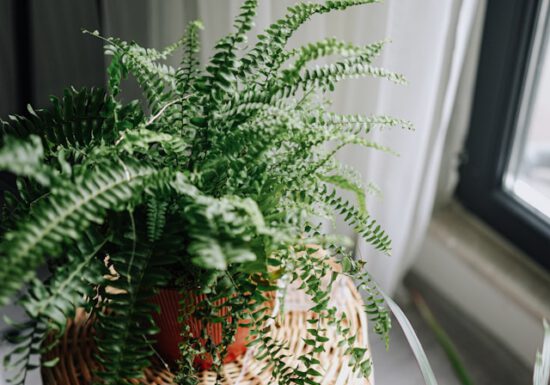
Many plant lovers have killed Boston ferns and sworn off ferns as houseplants, but little do they know that the secret is adding the right ferns to your collection and not the wrong ones.

This blog is inspired by Episode 243 of Growing Joy with Plants Podcast, where Maria talks about fern care, varieties that grow indoors, and simple ways to keep them looking their best.

Why Ferns Are Worth Another Try

Ferns have been around for millions of years, and they date back to prehistoric times. For a plant to survive decade after decade, it needs to be resilient, so it has adapted to changing environments and climates.

In fact, there’s a funny meme where the top picture is a fern growing out of a crack in a rock on the sidewalk, completely neglected, and is thriving, and the bottom photo is a fern indoors, in a pot, completely brown and shriveled. 

How to Care for Your Ferns

Best Light for Ferns: A great thing about ferns is that they’re a low-light-tolerant plant. They grow on the floor and in the shade. This makes ferns the perfect houseplant because we only have so much valuable real estate in our window sills, and most of our homes tend to be low-light.

How to Water Ferns: Your ferns do not want to dry out. Evenly moist soil is what is going to make ferns happy and avoid those crispy brown edges. Use glazed ceramic, plastic pots, or self-watering planters to ensure evenly moist soil. To extend your soil moisture by a few days, add a layer of sphagnum moss on top of the soil to slow down evaporation.

Choosing the Right Potting Mix for Ferns:
Soil plays a major role in fern success. Ferns need a potting mix that holds moisture while still allowing excess water to drain away. Starting with a high-quality mix like Espoma Organic Potting Mix helps maintain evenly moist soil and supports healthy root systems. Pairing the right soil with containers that have drainage holes makes watering more consistent and stress-free.

When planting or repotting ferns, mixing in Espoma Organic Bio-tone Starter Plus into the soil can help roots establish more quickly and reduce transplant stress, giving ferns a strong start in their new container.

Ferns need humidity: Any of the ferns that have super delicate, thin fronds (maidenhair ferns, heart leaf ferns, and some Boston ferns) are going to need high humidity (60% to 80%). ​​Put them in a terrarium or under a glass cloche, or keep them near a humidifier.

How to fertilize ferns: Ferns don’t need a ton of fertilizer, which makes Espoma Organic Indoor! Liquid Fertilizer the perfect liquid plant food for it. It’s super gentle and should be used when you see new growth on your plants.

Don’t be afraid to prune ferns: Ferns are like a pet that needs to be groomed occasionally. No matter how humid your home is, you’ll have fronds that turn brown, and you should feel free to remove them. 

Which Ferns Are Difficult to Grow?

Maidenhair ferns and Heart Leaf ferns are challenging to grow. They need so much humidity to grow and such evenly moist soil. They don’t leave a lot of room for error.

Which Ferns Are Best for Beginners?

Bird’s Nest Fern – The leaves are thicker, more succulent, more hearty. The leaves stick out horizontally and cover the soil, so it’s harder for the soil to dry out.

Rabbit’s Foot Fern – This is a super fun fern that has fuzzy rhizomes that grow on top of the soil that look like little rabbit’s feet.

Boston or Lemon Button Fern – This is one of the hardier ferns. It’s very resilient, so if it does get dried out and turns brown, just cut the entire top off, and it’ll just grow back.

Staghorn Fern – Because they’re “epiphytic” and grow on trees, they are a little bit more tolerant of drying out than other ferns. These are commonly mounted on wooden boards, but you can grow them in potting mix.

Troubleshooting Common Fern Problems

Browning on every frond – likely a humidity issue (or underwatering). 

Yellow leaves – usually a sign of overwatering. Make sure your pots have drainage holes, and the soil isn’t staying super wet.

Brown spots – could indicate low humidity or sensitivity to water minerals (use filtered water or distilled water). Fern spores also look like small brown spots, so they could be an indicator of a happy plant!

Balding (patchy, thinning appearance) – likely means the fern needs more light.

Are You Ready to Try Growing Ferns?

Moist soil and humidity are the name of the game. Keep ferns where you’ll see them every day. Use the right pots. Remember, these plants have survived for millions of years. They’re tougher than they look!

Recommended Espoma Organic Products for Fern Success

Choosing the right products can make fern care much easier. These Espoma Organic essentials support healthy roots, consistent moisture, and gentle feeding so your ferns can thrive indoors or out.

Espoma Organic Indoor! Liquid Fertilizer
A gentle liquid plant food ideal for houseplants like ferns. Use during active growth to provide nutrients without the risk of burning.

Espoma Organic Potting Mix
Designed to retain moisture while still draining well, this mix helps create the evenly moist soil conditions ferns need.

Espoma Organic Bio-tone Starter Plus
Best used when planting or repotting, this microbial-rich formula supports root development and helps reduce transplant stress.

Espoma Organic Holly-tone (for Outdoor Ferns)
For in-ground or outdoor ferns that prefer slightly acidic soil, Holly-tone provides slow-release nutrition and supports long-term soil health when used according to label directions.

*****

Featured Products:

Espoma Organic Holly-toneEspoma Organic Bio-tone Starter Plus Bag Image Espoma Organic Potting Mix Espoma Organic Indoor! liquid fertilizer


Where to Buy


https://www.espoma.com/wp-content/uploads/2025/12/ahmed-xHSzP8XlHkk-unsplash.jpg 960 640 Matt Dauphinais https://www.espoma.com/wp-content/uploads/2023/05/espoma-logo340w-1.png Matt Dauphinais2025-12-22 15:41:322025-12-22 15:41:35How to Care for Ferns 🌿 | Growing Joy with Maria

VIDEO: Edible Landscaping 🫑 🍓🌿 | Flock Finger Lakes

September 29, 2025/in Blog, Fruits & Vegetables, Summer Rayne Oakes

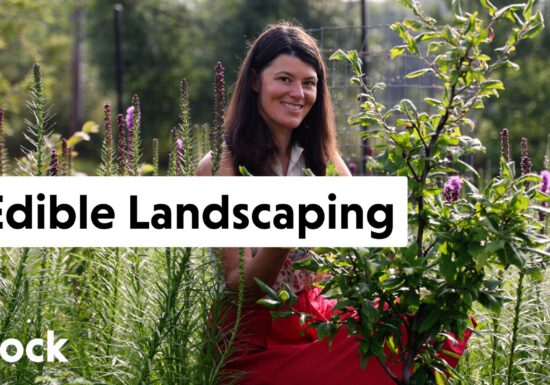
Summer Rayne Oakes @FlockFingerLakes takes us on a tour of her garden packed with edible plants. From fruit trees and berry bushes to roses and kale, Summer shows how beauty and function can grow side by side. Along the way, she nourishes her plants with Espoma Organic products to build strong roots, vibrant blooms, and thriving harvests.

Espoma Products Summer Uses in Her Edible Landscape:

Summer Rayne with Bio-tone Starter Plus

  • Bio-tone Starter Plus
    Summer uses Bio-tone Starter Plus when planting apple trees and preparing new beds. With mycorrhizae and beneficial microbes, it jumpstarts root growth and helps plants establish quickly—like “planting insurance” for long-term success.

Summer Rayne with Raised Bed Mix

  • Espoma Organic Potting Soils 
    To build the foundation of her new garden beds, Summer used a mix of Espoma Organic Soils, including Raised Bed Mix, Potting Mix, Land & Sea Compost, and others. These mixes improve soil structure, boost microbial life, and provide the organic matter plants need for healthy growth.

Espoma Organic Rose-tone in a garden

  • Rose-tone
    For her roses, Summer sprinkles Espoma Organic Rose-tone around the root zone. With its 4-3-2 blend, it encourages lush foliage and beautiful blooms while being safe for the soil and pollinators.

Espoma Organic Soil Acidifier

  • Soil Acidifier
    Blueberries thrive in acidic soil, and Summer keeps them happy with Espoma Organic Soil Acidifier. Made from elemental sulfur and gypsum, it naturally lowers pH to match the needs of acid-loving plants.

Espoma Organic Tomato! liquid fertilizer

  • Tomato! Liquid Fertilizer
    Summer gives her tomato plants a boost with Espoma Organic Tomato! This easy-to-use liquid concentrate provides balanced nutrition and added calcium to prevent blossom end rot, ensuring plump, juicy fruits all season long.

Bringing It All Together

Summer’s edible landscape is proof that food gardens can be as beautiful as they are bountiful—with the right soil, thoughtful plant choices, and natural care. Ready to start your own edible landscape? Explore Espoma Organic products and discover how to feed your garden naturally. 🌱

*****

Featured Products:

Espoma Organic Bio-tone Starter Plus Bag Image Espoma Organic Rose-tone bag Espoma Organic Soil Acidifier BagEspoma Organic Potting soil Mix Big bag Espoma Raised Bed Mix bag Espoma Organic Land and Sea Espoma Organic Tomato! Liquid Plant Food Image


Where to Buy

https://www.espoma.com/wp-content/uploads/2025/09/Edible-Landscaping-in-Small-Backyard-frame-000003.jpg 1080 1920 Matt Dauphinais https://www.espoma.com/wp-content/uploads/2023/05/espoma-logo340w-1.png Matt Dauphinais2025-09-29 12:49:082025-10-01 12:04:19VIDEO: Edible Landscaping 🫑 🍓🌿 | Flock Finger Lakes

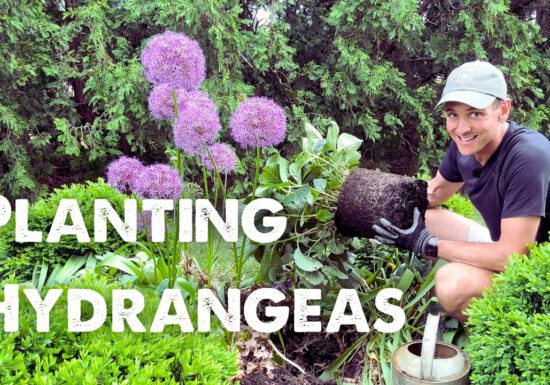
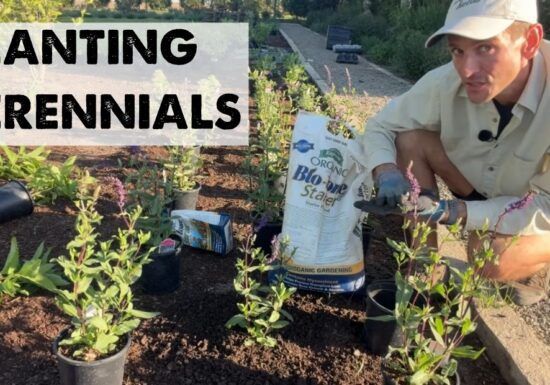
VIDEO: Planting Hydrangeas 🌸 with Wyse Guide

September 23, 2025/in Blog, Espoma Videos, Flowers, Kaleb Wyse

When it comes to hydrangeas, every gardener dreams of full, colorful blooms that light up the landscape. Watch as Kaleb Wyse of Wyse Guide shares how he plants and transplants hydrangeas in his Iowa garden. He walks us through his process step by step—using Espoma Organic Bio-tone Starter Plus to help roots establish, Espoma Organic Holly-tone to feed acid-loving plants, and how using Espoma Organic Soil Acidifier can create the perfect conditions for iconic blue blooms.

Here are six top tips and takeaways from Kaleb’s hydrangea planting project:

1. Choose the Right Variety for Your Climate

Not every hydrangea will thrive just because it’s rated for your USDA zone. Kaleb explains how some bigleaf hydrangeas struggled in his area, so he swapped them for hardier Seaside Serenade Cape Cod hydrangeas, better suited for his Zone 4 garden. Always match your plant choice to both your climate and the light conditions in your garden.

2. Protect Roots During Transplanting

Whether moving a shrub or planting a new one, Kaleb emphasizes the importance of keeping the root ball intact to reduce transplant shock. He carefully lifts and moves hydrangeas with as much surrounding soil as possible, ensuring minimal stress on the plant. 

3. Always Plant with a Good Organic Starter Fertilizer

Every hydrangea Kaleb plants gets a helping of Espoma Organic Bio-tone Starter Plus in the hole. Packed with beneficial microbes and mycorrhizae, Bio-tone encourages strong root development and helps plants adapt quickly to their new home. As Kaleb puts it, he treats transplants like brand-new plants—and Bio-tone gives them the best start possible.

4. Feed with Fertilizer for Acid-Loving Plants

Hydrangeas love soil on the acidic side. That’s why Kaleb sprinkles in Espoma Organic Holly-tone, a slow-release organic fertilizer crafted specifically for acid-loving plants like hydrangeas, azaleas, and blueberries. Holly-tone not only provides balanced nutrition but also contains elemental sulfur to help gently acidify soil over time.

5. Adjust Soil pH 

If your soil isn’t naturally acidic, hydrangeas may need a little extra help. Kaleb mentions how his soil leans neutral, so he often turns to Espoma Organic Soil Acidifier. Made from natural sulfur, it safely lowers soil pH, creating the right conditions for healthier growth and, in the case of bigleaf hydrangeas, can even shift blooms from pink to blue.

6. Prioritize Drainage and Consistent Moisture

Hydrangeas thrive in soil that’s both well-draining and consistently moist. Kaleb demonstrates checking drainage by filling the planting hole with water. If it drains well, you’re set! He also reminds us that even established hydrangeas benefit from supplemental water during dry spells to keep blooms from wilting or scorching in summer heat.

You Can Do It!

Healthy soil, the right plant food, and a watchful eye on moisture make all the difference in hydrangea success. With Espoma Organic Bio-tone Starter Plus, Holly-tone, and Soil Acidifier in your toolkit, you’ll be well on your way to lush, colorful hydrangea blooms—year after year.

*****

Featured Products:

Espoma Organic Bio-tone Starter Plus Bag Image Espoma Organic Holly-tone Espoma Organic Soil Acidifier Bag


Where to Buy

https://www.espoma.com/wp-content/uploads/2025/09/Planting-Hydrangeas.jpg 720 1280 Matt Dauphinais https://www.espoma.com/wp-content/uploads/2023/05/espoma-logo340w-1.png Matt Dauphinais2025-09-23 11:51:362025-09-23 11:51:36VIDEO: Planting Hydrangeas 🌸 with Wyse Guide

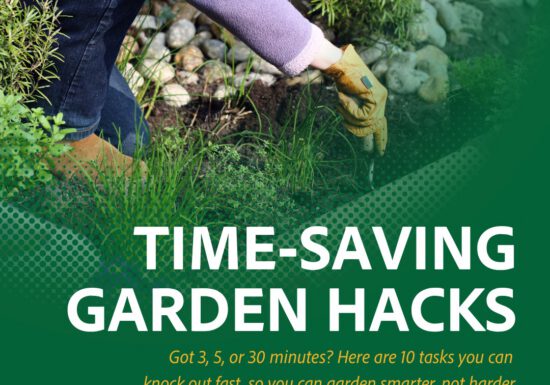
10 Time-Saving Tactics for a More Efficient Garden | Growing Joy with Maria

September 11, 2025/in Blog, Gardening, Growing Joy with Maria

Has your garden started to feel like a tedious task on your never-ending to-do list? Here are 10 ways to avoid garden burnout by making gardening more efficient and simple, so you can enjoy it without feeling weighed down.

This blog is inspired by Episode 266 of the Growing Joy with Plants Podcast, where Maria chats with CaliKim, YouTube gardening educator and author of The 10 Minute Gardener. Together, they share time-saving hacks to help you enjoy gardening again—without the stress.

Start Small, Stay Consistent

One of Kim’s foundational philosophies is to break down large tasks into smaller, manageable ones (3-, 5-, 8-, 10-, or 30-minute jobs), which is the basis of her book. The 10 Minute Gardener also organizes these by season (early, mid, late, dormant), so you can adapt them no matter where you garden.

Practical Time-Saving Tactics You Can Try Today

3 minute tasks

3-Minute Gardening Tasks

  • Fertilizer Fridays – Every Friday, while your tea kettle is boiling or you’re sipping coffee, take 3 minutes to fertilize your plants with an organic liquid fertilizer like Espoma Organic Indoor! Houseplant Food. You can also water them or pick off brown leaves.

  • Swift Growth Seed Sowing – Keep a small basket of seeds handy by your back door or in your pocket. During a quick break, pop a few pea seeds along a trellis or lettuce seeds into a container to keep succession planting going.

  • Three-Minute Tool Tidy – Clean and oil a few garden tools, like pruners, that may be getting rusty or sticky.

5-Minute Gardening Tasks

  • Tie-Up Tuesday (and Thursday!) – Dedicate a few minutes twice a week to trellis plants like cucumbers. Keep tie tape or twine in your pocket so you can do this quickly while walking through the garden.

  • Shade Cloth Oasis – Pre-clip shade cloth to trellises so you can dash out and cover plants when the sun is blazing.

  • End-of-Season Cleanups – Pull out dead plants and toss them into nearby trash bins or pop-up bins to keep your garden tidy.

8 & 10-minute tasks

8- & 10-Minute Gardening Tasks

  • Summer Salad Station – Plant a container with salad greens, a tomato or cucumber, and herbs for a quick, ready-to-harvest dinner garden.

  • Hustle & Bustle Garden Bed Prep – In spring, refresh your garden beds with soil amendments like Espoma Organic Land & Sea Gourmet Compost and worm castings.

30 min tasks

30-Minute Gardening Tasks

  • Compost Pile Refresh – Toss together kitchen scraps and yard waste to build your compost pile. Give it a splash of water, then walk away and let nature do the work.

  • Tree Branch Trellis – Gather a few sturdy sticks and lash them together to create a simple, rustic trellis for climbing plants.

Be Consistent and Keep Things Within Reach

The key is to keep everything handy and accessible. You don’t need complicated strategies to make gardening easier. Keep a basket of seeds by the door, stash pruners in multiple spots, and have tie tape at the ready. Making tools and supplies accessible ensures you stay consistent and efficient.

Listen to the Growing Joy with Plants Podcast

For more time-saving tips, listen to Episode 266 of the Growing Joy with Plants Podcast!

Featured Products:

Espoma Organic Land and Sea Espoma Organic Indoor! liquid fertilizer


Where to Buy

https://www.espoma.com/wp-content/uploads/2025/09/Time-Saving-1.jpg 1080 1080 Matt Dauphinais https://www.espoma.com/wp-content/uploads/2023/05/espoma-logo340w-1.png Matt Dauphinais2025-09-11 16:15:582025-09-11 16:15:5810 Time-Saving Tactics for a More Efficient Garden | Growing Joy with Maria

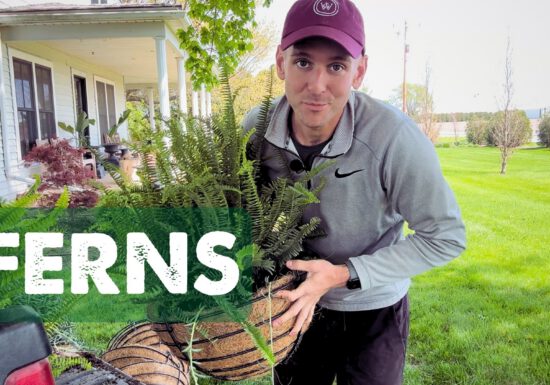
VIDEO: Porch-Perfect Ferns: 🌿 Planting Hanging Baskets with Wyse Guide

June 17, 2025/in Blog, Espoma Videos, Kaleb Wyse, Spring Gardening

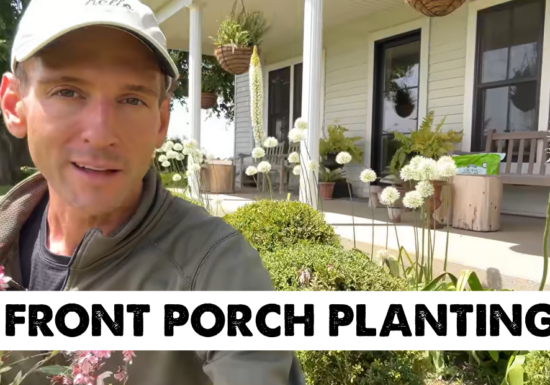
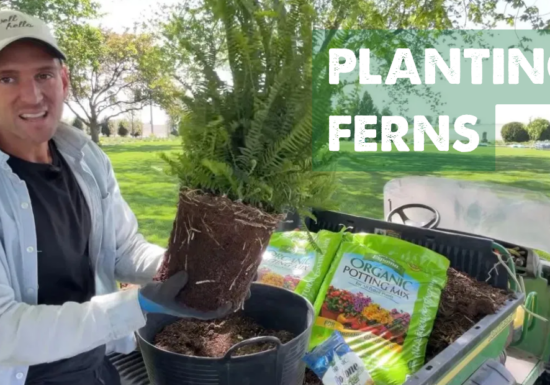
There’s nothing quite like a porch full of lush, thriving greenery to welcome in the warmer months—and no one brings that vision to life quite like Kaleb Wyse of Wyse Guide. In his latest video, Kaleb shares how he transforms his sunny front porch into a shaded retreat using one of our favorite combinations: Boston ferns, Kimberly Queen ferns, and a trusted mix of Espoma Organic Potting Soil Mix and Holly-tone.

Ferns Chosen with Purpose

Kaleb’s front porch faces south, which means intense sunlight, reflected heat, and the occasional gusty breeze. Instead of fighting nature, Kaleb leans into it—selecting Kimberly Queen ferns for their upright habit and sun tolerance, while reserving traditional Boston ferns for shadier spots near the house.

His secret to keeping these ferns happy? It starts with the soil.

Kaleb’s Planting Tips:

Kaleb chooses our Espoma Organic Potting Mix because it offers the perfect balance of drainage and moisture retention—critical for ferns, which love even moisture but hate soggy roots. This mix includes:

  • Perlite for improved aeration

  • Organic compost for slow-release nutrition

  • Natural, eco-safe ingredients—no synthetic fillers or plastic beads here

As Kaleb puts it: “It holds on to the moisture needed but also drains really well.”

He also adds a light sprinkle of Espoma Organic Holly-tone, our acidic plant food typically used for hydrangeas and evergreens. Since ferns thrive in slightly acidic conditions, Holly-tone gives them an extra boost without overstimulating growth—perfect for those who prefer a light-touch fertilizing routine.

🌱 Pro tip from Kaleb: Gently loosen or score the roots of pot-bound ferns before planting. It encourages them to branch into the fresh potting mix and establish faster.

Build Your Own Porch Sanctuary

Looking to create your own front porch oasis? Let Kaleb’s video be your inspiration. And when you’re ready to pot up your ferns, reach for the products trusted by generations of gardeners.

*****

🌷YouTube

🌷 Facebook

🌷 Instagram

🌷 Website

Featured Products:

Espoma Organic Potting Mix Bag Espoma Organic Holly-tone Organic Fertilizer for all acid loving plants


Where to Buy

https://www.espoma.com/wp-content/uploads/2025/06/WG_Porch_ferns.jpeg 1080 1920 Matt Dauphinais https://www.espoma.com/wp-content/uploads/2023/05/espoma-logo340w-1.png Matt Dauphinais2025-06-17 16:15:452025-06-25 13:34:41VIDEO: Porch-Perfect Ferns: 🌿 Planting Hanging Baskets with Wyse Guide

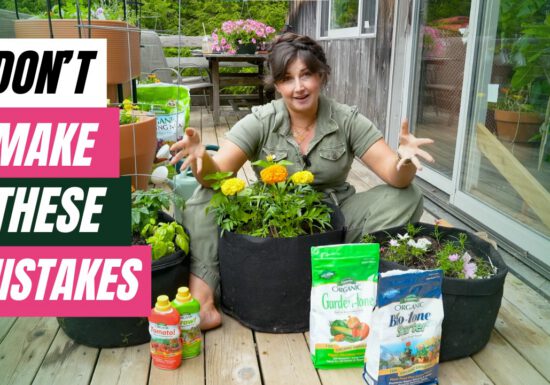
VIDEO: 6 Container Gardening MISTAKES | Growing Joy with Maria

April 10, 2025/in Blog, Espoma Videos, Growing Joy with Maria

Balcony gardening is a rewarding but sometimes tricky endeavor, especially for beginners. In this video tutorial, Maria shares six common mistakes that she and many others have made while gardening in containers on balconies. She also highlights how Espoma Organic products can help prevent these pitfalls and ensure healthy, thriving plants.

1: Choosing the Wrong Plant Varieties

Many beginners choose plants that are too large for container growth. Maria advises selecting micro, dwarf, or patio-specific varieties like ‘Patio Baby’ eggplant or ‘Tidy Treats’ cherry tomatoes. These are bred to be compact and manageable, ideal for small balcony spaces.

2: Using the Wrong Potting Mix

Standard garden soil is not suitable for containers as it can be too dense and poorly aerated. Maria recommends using Espoma Organic Potting Mix, which includes perlite and wood bark for proper aeration. This ensures that roots receive enough air and water, crucial for healthy plant growth.

 3: Inconsistent Watering

Balcony plants need regular watering, and failing to plan can lead to wilted or dead plants. Maria suggests using self-watering planters or multiple watering cans to maintain consistency. This strategy, along with early morning watering, ensures plants get the hydration they need.

4: Not Fertilizing Regularly

Container soil loses nutrients quickly. Maria uses Espoma Organic Bio-tone Starter Plus, an organic starter fertilizer at the time of planting to minimize transplant shock and boost initial growth. Throughout the season, she fertilizes monthly with Espoma’s specialized granular or liquid fertilizers such as Garden-tone, Flower-tone, Grow, or Tomato! liquid plant food.

5: Forgetting Plant Tags

Keeping track of which plant varieties perform best is essential. Maria emphasizes saving plant tags or using aesthetically pleasing labels. This simple step helps replicate success in future seasons.

6: Misunderstanding Light Exposure

Light availability is often overestimated. Balcony gardeners must consider shadows from buildings, railings, and trees. Maria advises using a compass to determine the direction of exposure and observing the balcony throughout the day to identify sunlight duration. Southern-facing balconies get the most sun, while northern ones are more limited.

Maria’s guidance is a blend of heartfelt experience and practical advice. By using Espoma Organic products and being mindful of these six common mistakes, balcony gardeners can transform small spaces into a gardening paradise. With the right organic soil, fertilizer, and planning, even a modest balcony can yield joy and an abundance of plants.

*****

Learn more about Growing Joy with Maria:

🪴🌿 Website

🪴🌿 Facebook

🪴🌿 Instagram

🪴🌿 YouTube

Featured Products:


Espoma Organic Bio-tone Starter Plus Bag ImageEspoma Organic Garden-toneEspoma Organic Flower-tone bag


Espoma Organic Potting MixGrow! Liquid FertilizerEspoma Organic Tomato! Liquid Plant Food Image


Where to Buy

https://www.espoma.com/wp-content/uploads/2025/04/GJWM_6-Container-Gardeing-Mistakes_Thumbnail-.jpg 720 1280 Matt Dauphinais https://www.espoma.com/wp-content/uploads/2023/05/espoma-logo340w-1.png Matt Dauphinais2025-04-10 11:47:272025-04-10 11:56:58VIDEO: 6 Container Gardening MISTAKES | Growing Joy with Maria

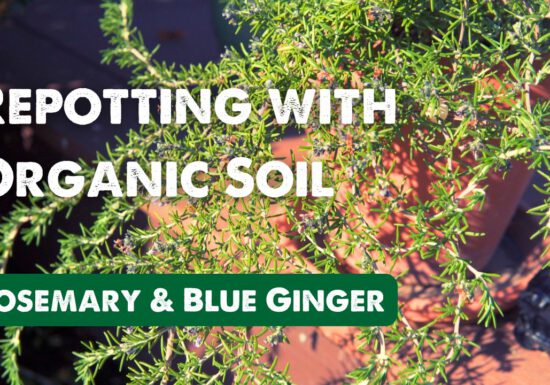
How to Repot Rosemary and Blue Ginger Using Organic Soils 🌿 | Summer Rayne Oakes

March 27, 2025/in Blog, Summer Rayne Oakes

 Learn how to repot Rosemary and Blue Ginger plants with Summer Rayne Oakes, using organic soils and fertilizer from Espoma.

In this easy-to-follow guide, Summer creates a customized soil blend ideal for Rosemary—a Mediterranean herb sensitive to moisture—by mixing Espoma Organic Potting Soil Mix, Espoma Organic Cactus Mix, and Perlite for excellent drainage. She then tops the soil with Espoma Organic Bonsai Mix to provide a protective layer that helps retain moisture and prevents rapid drying.

Additionally, Summer shares essential tips on repotting Weeping Blue Ginger using Espoma Organic Cactus Mix, perfect for plants that prefer higher humidity and ample root space.

For optimal plant health, fertilize your container plants regularly with Espoma Organic Grow! Liquid Plant Food.


Learn more about Summer Rayne Oakes here:

Website: homesteadbrooklyn.com

YouTube: @summerrayneoakes

Facebook: facebook.com/homesteadbrooklyn

Instagram: instagram.com/homesteadbrooklyn

Twitter (X): twitter.com/sroakes


Featured Products:

Espoma Organic Potting Mix Espoma Organic Cactus Mix Espoma Organic Bonsai Mix

Grow! Liquid Fertilizer


Where to Buy

https://www.espoma.com/wp-content/uploads/2025/03/Title-9.jpg 720 1280 Matt Dauphinais https://www.espoma.com/wp-content/uploads/2023/05/espoma-logo340w-1.png Matt Dauphinais2025-03-27 17:35:202025-03-27 17:35:20How to Repot Rosemary and Blue Ginger Using Organic Soils 🌿 | Summer Rayne Oakes

VIDEO: Seed Starting Tips with Farmer Nick 🌱

March 5, 2025/in Blog, Farmer Nick, Seed Starting

Starting seeds is an essential part of gardening. It’s a great way to get a head start on the next season and ensure there are always fresh plants ready to replace spent ones—a method known as succession planting. Follow along with Farmer Nick as he shares his top tips to set seeds up for success!

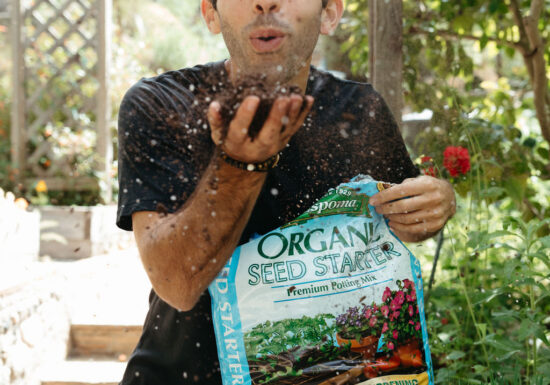
1) Start with High-Quality Organic Potting Soil

The foundation of strong seedlings begins with the right soil. While seeds can germinate in regular potting or garden soil, a high-quality organic seed starting mix—like Espoma Organic Seed Starter—is specifically designed to be lightweight, allowing roots to spread easily while providing essential nutrients to support those first delicate sprouts.

Pro Tip: Always moisten the soil before planting. This keeps seeds in place, provides immediate hydration, and helps ensure an even pack in seed trays.

2) Provide Warmth for Germination

Once the seeds are planted, maintaining the right temperature is key. A heat mat can speed up germination by keeping the soil warm, but it also dries out the mix quickly, so it’s important to keep the soil consistently moist but not overly saturated. A misting bottle is a great tool for gentle hydration.

Pro Tip: Using a smart outlet to control the heat mat allows for easy scheduling. Nick typically runs his mat for about 8 hours overnight, when temperatures drop. Once most of the seedlings have sprouted, he removes them from the heat mat.

3) Light is Essential for Growth

While light isn’t necessary for germination, it becomes crucial once seeds sprout. A grow light helps seedlings develop strong, sturdy stems rather than becoming weak and leggy.

Pro Tip: Always plant a few more seeds than needed. Not every seed will germinate, and extra plants can be thinned out or shared with fellow gardeners.

4) Don’t Forget to Label!

It may sound simple, but labeling seeds is a step many gardeners—Nick included—tend to overlook. Without labels, it’s easy to mix up cucumbers and zucchinis, leading to a fun (but avoidable) guessing game when the plants mature.

*****

By following these seed-starting tips, gardeners can set themselves up for a successful season, ensuring healthy seedlings that are ready to thrive in the garden.

For the best results, start with a high-quality organic seed-starting mix like Espoma Organic Seed Starting Mix. When it’s time to repot your new plants, switch to Espoma Organic Potting Soil Mix for optimal growth. And don’t forget to feed your plants with a high-quality organic liquid fertilizer like Espoma Organic Indoor! to keep them strong and thriving!


Learn More about Farmer Nick here: 

Website: Farmer Nick.com 

Instagram: @farmernick

Facebook: @FarmerNick

TikTok: @farmer_nick

YouTube: @FarmerNickJr

Featured Products:

Espoma Organic Potting Mix Bag Espoma Organic Seed Starter Premium Potting Mix Bag Espoma Organic Indoor! liquid plant food - Organic fertilizer


Where to Buy

https://www.espoma.com/wp-content/uploads/2025/03/9V2A4418.jpg 1536 1024 Matt Dauphinais https://www.espoma.com/wp-content/uploads/2023/05/espoma-logo340w-1.png Matt Dauphinais2025-03-05 12:57:252025-03-05 12:59:00VIDEO: Seed Starting Tips with Farmer Nick 🌱

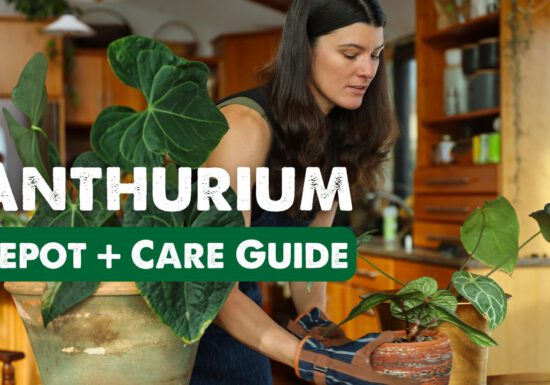
VIDEO: ANTHURIUM REPOT with Summer Rayne Oakes

October 2, 2024/in Blog, Espoma Videos, Indoor Gardening, Indoor Gardening, Summer Rayne Oakes

Watch as Summer Rayne Oakes from @homesteadbrooklyn shares her repotting process for a collection of Anthurium plants. She chooses Espoma Organic Potting Mix, Orchid Mix, and Perlite, to craft the perfect potting blend. Summer feeds her plants with Espoma Organic Indoor! liquid plant food to provide the right balance of nutrients to promote healthy foliage and blooms.

The Potting Mix serves as a nutrient-rich foundation for strong root development, while the Orchid Mix adds essential bark pieces for better aeration, mirroring the natural environment of Anthuriums. Perlite improves drainage and helps prevent root rot, making it perfect for these water-sensitive plants.

Get inspired by Summer’s approach to plant care and see how she transforms her Anthuriums’ new home.

Learn more about Summer Rayne Oakes here:

Website: homesteadbrooklyn.com

YouTube: @summerrayneoakes

Facebook: facebook.com/homesteadbrooklyn

Instagram: instagram.com/homesteadbrooklyn

Twitter (X): twitter.com/sroakes


Featured Products:

Espoma Organic Indoor! Espoma Organic Potting Mix Bag Espoma Organic Orchid Mix Bag

Espoma Organic Perlite Bag


Where to Buy


https://www.espoma.com/wp-content/uploads/2024/10/Title-4.jpg 720 1280 Matt Dauphinais https://www.espoma.com/wp-content/uploads/2023/05/espoma-logo340w-1.png Matt Dauphinais2024-10-02 16:45:432024-12-03 10:13:37VIDEO: ANTHURIUM REPOT with Summer Rayne Oakes
Page 1 of 3123
Where to Buy

Get News & Updates

Recent Posts

  • VIDEO: A Formal Garden Tour with Summer Rayne Oakes
  • VIDEO: Repotting in the Greenhouse with Garden Answer
  • VIDEO: How to Winterize Your Chicken Coop with Summer Rayne Oakes
  • VIDEO: Planting Spring Bulbs in Containers 🪴🌷 with Summer Rayne Oakes
  • VIDEO: Planting the Last Bulbs of the Season with Garden Answer

Tags

All-Purpose Potting Mix bio-tone Bio-tone Starter Bio-tone Starter Plus Cactus Mix caring for houseplants Container Gardening DIY project Espoma espoma grown espoma organic Espoma Organics Espoma Video fall gardening Family fert flower garden flowers garden Garden Answer Gardening gardening tips gardens grow holly-tone houseplants Indoor! indoor gardening indoor plants Kaleb Wyse organic organic fertilizer Organic Gardening organic plant food Organic Potting Mix Outdoor Gardening Planting plants Potting Mix potting soil Spring Gardening summer rayne oakes vegetable garden Vegetable Gardening Wyse Guide

Espoma. A Family Tradition Since 1929.

Espoma Organic logo
  • Espoma Dealer
  • Espoma Pro
  • Garden Club
  • Privacy Policy

Scroll to top