Espoma Organic
  • Products
    • Close
    • Product Line Overview
    • Plant food finder
    • Garden Fertilizers
    • Potting Soils
    • Lawn Fertilizers
    • Liquid Fertilizers
    • Single Ingredients
    • Conventional Plant Foods
    • Animal Care Products
  • Where to Buy
  • Our Story
    • Close
    • Our Story
    • Locations
    • Historical Timeline
    • Our Commitment
    • Directions
    • Solar
    • Join our Team
    • Espoma Brand Partners
  • Learn
    • Close
    • Espoma Blog
    • FAQ’s
    • Pocket Guide
    • Espoma Guides
    • Garden Clubs
    • Safe Paws Lawn
    • PRODUCT FACT SHEETS
    • Fertilizer Fundamentals
      • Close
      • Understanding Plant Nutrition
      • Reading Labels
      • Choosing the Right Type of Fertilizer
      • Terms & Definitions
    • Gardening Projects
    • Resource Links
  • Contact Us
  • Menu Menu

Tag Archive for: flower

Garden Answer’s Design Tips for a Romantic Cottage Garden

June 20, 2019/in Blog, Espoma Videos, Garden Answer

English cottage gardens date back centuries. They were used to grow vegetables, herbs for healing, fruit trees, perhaps a beehive, and common flowers. The informal style went through a renaissance in the late 1800’s when they became somewhat more nostalgic than practical. 

The informal aesthetic of dense planting and natural materials is still en vogue today. In this video, Laura outlines 10 design principles to help you design a cottage garden. Before you start, make sure you have plenty of Espoma’s organic Bio-tone Starter Plus plant food to make sure your plants get the best possible start.

No Straight Lines

Cottage gardens are always informal and a touch whimsical. Avoid straight lines. Gently curving edging looks more natural and playful. If your site restricts you to a straight edge, let the plants spill over it to create an unrestrained look.

Large Groups of the Same Plant

White cottage gardens are more relaxed in their design, it is still best to use large sweeps of the same plant. Think of planting in groups of three, five or seven. That is far more restful to the eye than a jumble of onsies and twosies. 

Spacing Doesn’t Matter

This is one time you do not have to follow the advice on the plant tag. Cottage gardens are always densely planted and generally grow more densely packed with time. Annuals and biennials are often used in cottage gardens and will self-sow in the border. Biennials are plants that take two years to grow and flower from seed like the foxgloves shown. Another advantage to planting things close together is that there is less room for weeds to grow.

Color Harmony

It’s very important to pick a collection of plants that have harmonious colors. Without that the border would look chaotic. Garden Answer uses a collection of soft pinks and peaches with touches of blue and lavender. It needn’t always be soft colors, but they do need to be unified in some way.

Use Varied Heights and Textures

In any planting, it’s a good idea to think about texture, height and foliage color as major design elements. Nothing blooms all the time. Varied foliage forms and colors will create interest even when the flowers aren’t in bloom. Laura uses Heuchera specifically for the silvery foliage color.

Anchor Plants/Structural Elements

This is sometimes referred to as the “bones” of a garden. It’s a structural element that all of the other plants get woven around. In this case, it’s a beautiful shrub rose named Rose ‘The Lady Gardener’, a fragrant beauty with full, apricot blossoms. The rose is repeated three times. Repetition is soothing to the eye.  It’s possible to use evergreens for a slightly more formal feel, or whatever peaks your interest.

Fragrance

The first thing everyone does when they pick a flower is to hold it up to their nose. Cottage gardens are known for their fragrance. Try to select varieties that smell good at the garden center. Roses, lavender, sweet peas, and sweet alyssum are all good choices.

Not Perfectly Maintained

Along with relaxed design principles, comes relaxed maintenance. Planting tightly will discourage weeds. Annuals like poppies will self-seed and move around the border, just like the biennial foxgloves. Weeding everything that comes up might mean that you weed out these plants and inhibit their spontaneous movements.

The Look Will Change Over Time

This style of gardening is the exact opposite of a formal border filled with geometric shaped boxwood. By its very nature this is meant to be more random. People often sow cosmos, violas and other plants that have a tendency to move around. Let them surprise you. If you really don’t like where one popped up, it’s easy enough to remove.

Be Patient

Being patient is really what gardening is all about. A garden is never really finished. Enjoy the journey!

Garden Answers Plant List

Nepeta ‘Cat’s Pajamas’ – catmint

Achillea – pink yarrow

Allium ‘Serendipity’ – ornamental onion

Rose ‘The Lady Gardener’

Heuchera Dolce ‘Spearmint’ – Coral Bells

Clematis ‘Brother Stephan’

Digitalis Foxy Hybrids –  foxglove

Lobularia ‘Blushing Princess’ – sweet alyssum

Here are more videos from Garden Answer we hope you will enjoy.

How to Plant Cottage-Style Flower Beds! 

Plant Your Window Boxes Like Garden Answer

Succulent Pot in a Pot – Quick Version

How to Re-pot Houseplants – Quick Cut

*****

Featured Products:

Where to Buy
https://www.espoma.com/wp-content/uploads/2019/06/IMG_6487.jpeg 3368 6000 espoma https://www.espoma.com/wp-content/uploads/2023/05/espoma-logo340w-1.png espoma2019-06-20 11:00:152024-09-25 16:39:24Garden Answer’s Design Tips for a Romantic Cottage Garden

VIDEO: Spring Flowers Melt the Winter Blues with Garden Answer!

March 19, 2019/in Blog, Flowers, Garden Answer

Spring has sprung and it’s time to get outside and plant up some early spring containers. A trip to the local garden center will surely inspire you. Plant big pots of brightly colored bulbs and annuals to liven up entryways, patios and balconies. Laura from Garden Answer shows you just how easy it is to do in the video below.

Laura fills her containers with tulips and violas, true harbingers of spring. Alternatively, you could also use daffodils and other cold hardy annuals like Iceland poppies or nemesia. In cold climates, it’s important to select plans that are hardy enough to withstand a cold snap.

These early spring containers will flower for a month or so, bridging the gap from early spring to the frost-free date. When it’s time to plant summer containers, replant the tulips out into the garden where they’ll bloom again next spring. The violas may also be moved to a lightly shaded area of the garden.


Four Easy Steps to Early Spring Containers

  1. Prep Containers. Fill containers three-quarters full with good, quality potting soil like Espoma’s Potting Mix and prepare to plant bulbs at the depth they were in the nursery pot.
  2. Add Nutrients. Add Bulb-tone fertilizer to the soil, following package directions.
  3. Get ready to plant. Gently remove the plants from their pots and loosen roots. Add plants.
  4. Finish it up. Backfill containers with more potting soil and water deeply.


Enjoy flowers for even longer by choosing tulips or daffodils that are not yet in full bloom. When finished blooming, just remove the flower stem. The leaves will still provide a vertical accent and the bulbs need the foliage to replenish themselves.

Taking time to deadhead the violas will extend their bloom time. If temperatures are cool, you may only need to water containers once a week.

Check out these videos from Garden Answer about tulips and early spring planting.


Plant Your Window Boxes Like Garden Answer


How to Care For Your Tulips After They’ve Bloomed


Featured Products:


Where to Buy

https://www.espoma.com/wp-content/uploads/2019/03/Thumbnail.jpg 1080 1920 espoma https://www.espoma.com/wp-content/uploads/2023/05/espoma-logo340w-1.png espoma2019-03-19 14:13:302024-03-13 15:58:00VIDEO: Spring Flowers Melt the Winter Blues with Garden Answer!

Let’s Build a Butterfly Garden 🦋

June 18, 2018/in Flowers

What’s better than decorating your home with summer bouquets of flowers directly from your garden? Having a cut flower garden is not only convenient for on-demand bouquets, but also for adding color to your garden with stunning oranges, yellows, purples, pinks, and blues. While you often choose plants for bees, these flowers are for butterflies.

Pollinators need love year-round, and that starts with gardening organically. In honor of National Pollinators Month, here are our best tips for celebrating by building a butterfly bouquet with the flowers they love!

 Breathtaking Flowers Butterflies Will Love

Yarrow (Achillea)

Yarrow is a vibrant yellow perennial. It has a lengthy flowering time from June through September. It is a relatively tall flower with an average growth height of 2.5-3 feet. Butterflies love these flowers because they’re easy to land on and also loaded with sweet nectar. Give your flowers a strong soil base to help them thrive through the hot summer months with Espoma’s Organic Garden Soil. Best suited for zones 3-8.

Ox-Eye Daisies

Ox-Eye Daisies are a classic addition to your garden. Their flowering time covers the summer months from May to August. With their white rays and yellow centers, they will be sure to brighten up your cut flower garden. They grow 1-3 feet tall so they will not take up too much space. Butterflies love Ox-Eye Daisies because they are nectar-rich. Best suited for zones 3-8.


English Lavender

English Lavender is a garden essential! Their flowering period covers the summer months of June to August. They grow to the perfect height of 1.5-2 feet. People and butterflies love English Lavender for its fragrance and remarkable blue-purple color… Best suited for zones 5-8.

Blanket Flower (Gaillardia)

The Blanket Flower is a vivid, color-rich butterfly flower to add to your garden. They flower in summer months from May through August. Blanket Flowers tend to be on the shorter side, only growing 6-12 inches tall. Their stunning blood-orange red petals and yellow tips will have your jaw on the floor by the time flowering season rolls around. Butterflies cannot pass up the nectar and vivid colors on these stunning flowers. In order to get the biggest flowers, fertilize with Espoma’s Bloom! liquid plant food. Best suited for zones 3-10.

Bee Balm

Bee balm is another pollinator favorite that should earn a spot in your pollinator garden. The Bee Balm’s flowering period only covers July through August, but their violet blue, red, pink, or white color will be worth it. They thrive in zones 4-8 and are relatively tall, growing an average of 2-3 feet. Bee balm is nectar-rich and its bright coloring makes it an easy sell to butterflies. Boost your Bee Balm with Espoma’s Organic Flower-tone fertilizer for big, healthy flowers. Best suited for zones 4-8.


Featured Products:


Where to Buy


https://www.espoma.com/wp-content/uploads/2017/06/Butterfly-Flower.jpg 1667 2500 espoma https://www.espoma.com/wp-content/uploads/2023/05/espoma-logo340w-1.png espoma2018-06-18 16:30:192025-06-26 11:24:50Let’s Build a Butterfly Garden 🦋

Best Houseplants for the Kitchen

January 17, 2018/in Blog, Indoor Gardening

Sometimes we find a beautiful houseplant and have no idea where to put it. Other times we have a space that needs filling and no idea what to put there.

The way we see it, you can never go wrong with more plants!

There’s no better place to start adding plants than the kitchen. If you haven’t thought of adding plants there before, you’re missing out!

Houseplants in the kitchen aid in decreasing cooking scents that consume your home – while it might smell amazing when you bake cookies, cauliflower can really bring you down. Or, you can grow edibles in your kitchen to have easy access while cooking.

Here are our top picks for plants in the kitchen:


  1. Assorted Herbs
    Herbs are perfect to grow in the kitchen. Place your herb garden on your windowsill or in a hanging basket for ease. Luckily, a lot of herbs grow well indoors with adequate light. They need to be rotated if they start to become leggy. Read more about growing herbs in your kitchen.
  1. Aloe Vera
    Aloe Vera is one of the easiest plants to grow, so keeping it in your kitchen will bring life there all year long. It’s especially great to have in the kitchen to use its natural coolant in case of a burn. It will do well anywhere in the kitchen, although next to the stove is probably best. Read more about growing aloe and other succulents.

  1. White Jasmine
    The soft jasmine scent that is released from the blooms of this plant will help keep your kitchen smelling nice and fresh. The scent is subtle enough that it won’t overwhelm the kitchen yet can still help your space feel clean and refreshed. Read more about growing jasmine.

  1. English Ivy
    Ivy is a diverse plant that can thrive in many rooms. Putting it in the kitchen will add dramatic lines and textures while purifying the air. If your cabinets don’t hit the ceilings, this ivy will gladly take up space. It will add wonderful shades of green with accents of whites or yellows. Read more about growing ivy in unusual spaces.

  1. Spider Plant
    Another great air purifier, the spider plant will help keep cooking more enjoyable. Place it somewhere you need to add height and texture to an area. It is an easy-care houseplant that will continue to love you in every season. Read more about the benefits of houseplants.

Don’t forget, all of these plants need to be fed as directed with Espoma’s Indoor! liquid fertilizer to grow strong and highlight their colors.


Featured Products:


Where to Buy

https://www.espoma.com/wp-content/uploads/2018/01/shutterstock_673534633.jpg 667 1000 espoma https://www.espoma.com/wp-content/uploads/2023/05/espoma-logo340w-1.png espoma2018-01-17 16:42:102024-01-24 16:24:35Best Houseplants for the Kitchen

5 Ways to Give Your Summer Garden a Boost

July 13, 2017/in Summer Gardening

There’s no better way to enjoy your garden than by encouraging it to grow bigger and better. Before your summer veggies and flowers peak, take your garden to the next-level by refueling it.

Knock-out these 5 essential tasks and your garden will thank you. You’ll extend your summer season and ensure that your lawn and garden are in tip-top shape.


5 Ways to Give Your Summer Garden a Boost

1. Hydrate. When it’s hot, dry and muggy, the best thing is a nice cold drink. Your plants need some H2O, too. The trick to keeping your garden hydrated during the hottest days is not to water more. It’s to water smarter. Water plants deeply in the morning so they have the entire day to soak it up.

Image courtesy of Garden Answer

2. Keep plants fed. Your summer veggies and flowers are hungry. Feed hanging baskets, container gardens and annuals with liquid Bloom! plant food every 2 to 4 weeks. Vegetables such as tomatoes and peppers are heavy feeders. Continue to feed every 2 weeks with organic fertilizers Tomato-tone or Garden-tone.

3. Prune and deadhead. Extend the life of perennials by deadheading flowers as soon as they are spent. This will encourage plants to keep blooming as long as weather permits. Your roses will thank you. Prune tomato suckers and shrubs now, for fuller plants later.

4. Mow lawns strategically. When mowing, keep the mower blades high (3” or higher) to encourage healthy roots. Cut grass in the evening to give it time to recover and keep yourself cool.

5. Plant more! There are many quickly maturing plants that will thrive in summer gardens and be ready for harvest in the fall. Try planting radishes, cucumbers, beans and more.

Sit back and relax! Take a good look at your hard work and dream about the rewards and bountiful harvests you’ll enjoy in the months to come.

If you’re looking to get a better tomato harvest this summer, be sure to check out our complete tomato guide!

*****

Featured Products:


Where to Buy

https://www.espoma.com/wp-content/uploads/2017/07/June-1A.jpg 444 1200 espoma https://www.espoma.com/wp-content/uploads/2023/05/espoma-logo340w-1.png espoma2017-07-13 17:24:472024-07-23 15:37:025 Ways to Give Your Summer Garden a Boost

May Gardening Checklist: 5 Essential To-Dos for a Thriving Garden

May 2, 2017/in Blog, Spring Gardening

May is one of the busiest and most exciting months in the garden. Flowers are blooming, veggies are sprouting, and summer crops are ready to go in. But to keep your garden thriving naturally, it’s important to use the right organic products to nurture your soil, plants, and harvest.

Here’s your Espoma-approved May checklist to prep your garden for a healthy, productive summer season.

Garden Clean up

1: Tidy Up Your Garden Space

Start fresh by clearing out weeds, dead plants, and old debris — this keeps pests and diseases in check and opens up space for new growth. As you tidy up, top off your beds with Espoma Organic Land & Sea Gourmet Compost to enrich the soil with nutrients and improve texture.

Once your garden is clean, you can apply a layer of mulch to help conserve moisture and regulate soil temperature. This simple prep sets the stage for everything that comes next.

spring crops

2: Harvest Early Spring Crops

Your cool-weather crops like lettuce, spinach, radishes, and peas are likely ready to harvest. After picking, don’t leave that soil depleted! Replenish it by working in Espoma Organic Garden-tone or Plant-tone to restore nutrients before planting your summer vegetables.

For container gardens, refresh the mix with Espoma Organic Raised Bed Mix or Potting Mix so your new plants have a rich, organic base to grow in. Healthy soil = healthy crops.

People planning a project

3: Plan Your Garden Layout Thoughtfully

Before you rush to plant, take a little time to sketch out your garden plan. Group plants with similar needs together, and research what varieties perform best in your area. If you’re unsure, visit a local garden center and look for recommendations — and while you’re there, pick up organic fertilizers suited for what you’re planting (like Espoma Organic Tomato-tone for tomatoes, Berry-tone for berries, or Rose-tone for roses).

Planning ahead ensures you can match the right organic products to the right plants, maximizing growth and minimizing problems down the line.

planting with organic fertilizer

4: Get Planting — and Feed Organically

Once your area is frost-free, it’s time to plant! Whether you’re planting veggies, flowers, or herbs, give them the best start by enriching the planting hole with Espoma Organic Bio-tone Starter Plus. This starter fertilizer contains mycorrhizae, which help plants establish strong root systems and reduce transplant shock.

As the season goes on, continue feeding regularly with Espoma Organic Tone Fertilizers, depending on what you’re growing. These slow-release, organic fertilizers keep plants nourished naturally, without the risk of burning or chemical buildup.

planting

5: Transfer Indoor Seedlings Outdoors Carefully

If you started seeds indoors, harden them off gradually before moving them outside. Once ready, plant them in your garden or containers and mix Espoma Organic Bio-tone Starter Plus into the soil. This ensures young plants have access to the nutrients and beneficial microbes they need to get established and grow strong healthy roots.

For containers, fill pots with Espoma Organic Potting Mix, which provides excellent drainage and moisture retention while feeding plants with organic ingredients. Don’t forget to water thoroughly after transplanting to help roots settle in.

family in vegetable garden

🌸 Bonus Tip: Keep Feeding and Caring All Season Long

Throughout the summer, keep an eye on your plants. Feed every month or as needed with the appropriate Espoma Organic fertilizer for each plant type. Water deeply at the base, mulch to retain moisture, and enjoy the lush, organic garden you’ve worked so hard to create.

With the right products and a little care, you’ll be harvesting beautiful, homegrown food and flowers all summer long — the organic way!

Featured Products:

Espoma Organic Potting soil Mix Big bagEspoma Organic Land and SeaEspoma Raised Bed Mix bag  Espoma Organic Tomato-toneEspoma Organic Rose-tone bagEspoma Organic Plant-tone organic fertilizer

Where to Buy

https://www.espoma.com/wp-content/uploads/2018/05/Curb-appeal-hosta-black-eyed-susan.jpg 850 1280 espoma https://www.espoma.com/wp-content/uploads/2023/05/espoma-logo340w-1.png espoma2017-05-02 08:00:312025-05-06 14:10:27May Gardening Checklist: 5 Essential To-Dos for a Thriving Garden

The April Garden Checklist

April 6, 2017/in Blog, Spring Gardening

Spring is here! Shed off those winter blues and head outdoors to restore your lawn and garden. The days are getting longer and your soil is beginning to wake up. April is a great time to get out in your yard and begin again.

Wondering where to start? We’ve got 6 tasks you can accomplish this month in your own yard.


April Garden Checklist:


1. Start tomato seeds.

The best way to get a head start on growing tomatoes is to start seeds indoors 4-6 weeks before the last spring frost date in your region. See our Guide to Growing Tomatoes. Start your seeds with Espoma Organic Seed Starter and feed your tomatoes with Espoma Organic Tomato-tone.

2. Get planting.

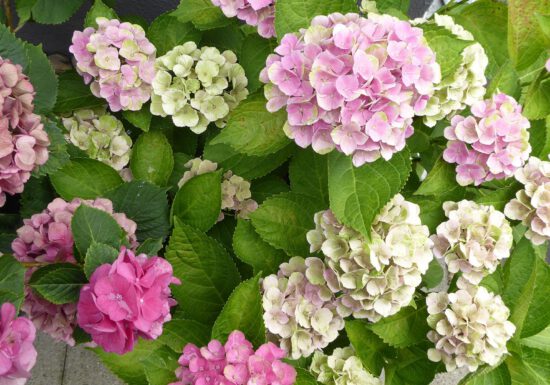
Hydrangeas embody everything we love about gardening. They have billowy textures, come in bright colors, and are easy to care for. Plant some this month for the best blooms. Feed your Hydrangeas with Espoma Organic Holly-tone fertilizer.

3. Grow berries.

Did you know blackberries have almost as many antioxidants as blueberries? And raspberries make the perfect addition to jam, cobblers, and pies. Berries are just so delicious, scrumptious, and oh-so-juicy. Plus, many berries are easy to grow and care for. Find out when, where, and how to plant your favorite berries. Feed your berry-producing plants with Espoma Organic Berry-tone fertilizer.

4. Revitalize lawns.

Perform a soil test to find out what your lawn needs, then amend and choose organic. Organic lawns need less watering, fertilizing, and mowing all summer long. Yes — that means you get to spend more time enjoying your beautiful lawn and less time caring for it! Plus, as natural lawn foods break down, your soil becomes stronger on its own and needs less help. Feed your lawn with Espoma Organic All Season Lawn Food.

5. Plant blooms.

Azaleas and Rhododendrons are some of the most popular flowering shrubs. Blooming from late spring to early summer, these shrubs thrive in almost any garden. Plus, they come in virtually every color of the rainbow — from bold pinks, purples, and reds to soft, muted yellows and whites. Make sure you’re adding these bloomers to your garden this year. Feer your beautiful Azaleas and Rhododendrons with Espoma Organic Azalea-tone fertilizer.

6. Feed roses.

Your roses are waking up now, they’ve made it through a long winter and they are starving! Choose Espoma’s organic Rose-tone. It includes more nutrients than any other rose food. Most rose fertilizers contain three nutrients — nitrogen, phosphorus, and potassium (N-P-K). Here’s how to feed with Rose-tone.

Roses in the Mist

Sit back and relax once you’re done.

April showers will give way to May flowers in no time at all.

*****

Check out our Total Guide to Growing Organic Berries!


Featured Products:

Where to Buy

https://www.espoma.com/wp-content/uploads/2017/04/hydrangeas-898043_1920.jpg 1079 1920 espoma https://www.espoma.com/wp-content/uploads/2023/05/espoma-logo340w-1.png espoma2017-04-06 17:03:132024-10-02 08:27:41The April Garden Checklist

Grab Your Books for a Lesson in Gardening 101

September 6, 2016/in Blog, Fall Gardening

Back to Gardening School: A Fresh Start for Your Garden

Remember the excitement of a new school year? Fresh notebooks, a backpack ready for adventure, and the feeling that anything was possible. That same sense of renewal is waiting in the garden this season.

Whether you’re just starting out or brushing up on your skills, it’s the perfect time to get back to the basics. Sharpen those tools (and pencils) and let’s head to Gardening School.

Farmer Nick dumping Espoma Raised bed Mix into a raised garden bed

1. Build a Strong Foundation

Every successful garden begins with healthy soil. Start with a quick soil test to understand what nutrients your garden may be missing, then build from there. For raised beds, fill them with a rich blend of natural ingredients—like those in Espoma Organic Raised Bed Mix—to create the perfect growing environment. Adding an organic compost such as Espoma Organic Land & Sea Gourmet Compost further improves soil structure, boosts moisture retention, and encourages healthy microbial activity. For container plantings, Espoma Organic All-Purpose Potting Mix provides the ideal balance of drainage and organic matter to keep roots thriving. And whenever new plants go in the ground, a starter fertilizer like Espoma Organic Bio-tone Starter Plus helps them establish quickly by supporting strong, resilient root growth. With the right foundation beneath the surface, the garden above will flourish.

old garden tools

2. Check Your Supplies

Just like gathering fresh notebooks and sharpened pencils, gardeners should review their tools. Replace cracked handles, rusty clippers, or wobbly rakes so nothing slows you down during the season. A little care and preparation now saves frustration later and makes gardening smoother and more enjoyable.

Farmer Nick planting a flowering plant

3. Redefine Your Garden’s Style

A new season is the perfect time to refresh the look of the garden. Whether the goal is calm and classic or bold and colorful, the right nutrition helps plants live up to their potential. Espoma Organic Plant-tone provides complete, balanced nutrition for a wide variety of plants, while Espoma Organic Holly-tone supports acid-loving favorites such as azaleas, rhododendrons, and hydrangeas. Feeding properly is the simplest way to bring a dream garden style to life.

little girl holding a carrot

4. Learn From Last Season

Every garden has its victories and its challenges. Take time to reflect on what thrived and what struggled, then plan for improvement. Espoma Organic Garden-tone is specially formulated for vegetables, helping ensure bigger, tastier harvests season after season. When planting new crops or ornamentals, Espoma Organic Bio-tone Starter Plus gives roots the boost they need to grow stronger and more resilient than before. Each new season builds on last year’s lessons with the right nutrition.

indoor plants

5. Don’t Forget Your Indoor Plants

While outdoor gardens take the spotlight, houseplants need care too. Feeding them regularly keeps leaves lush, colors vibrant, and growth steady all year long. Espoma’s Indoor! organic liquid fertilizer makes it easy to give houseplants the nutrition they need with every watering. When repotting, Espoma Organic Potting Mix provides the perfect organic base to keep indoor plants healthy and happy. A thriving indoor garden completes the picture of a gardener’s success.

Farmer Nick holding a shovel

6. Sharpen and Shine

Tools are the unsung heroes of every garden. Taking time to clean, sharpen, and maintain them ensures they last longer and work more effectively. Well-maintained tools make every gardening task easier, allowing more energy to be devoted to growing beautiful, thriving plants.

7. Grow Your Community

Gardening is even better when knowledge is shared. One of the most valuable tips to pass along is to start every planting with a quality organic starter fertilizer like Espoma Organic Bio-tone Starter Plus to set roots up for success, and then feed with Espoma Organic Plant-tone throughout the season to keep growth steady and strong. These trusted essentials have been used by generations of gardeners, and passing them along helps the whole community grow stronger together.

Graduation Time!

Congratulations—you’ve completed your Back-to-Gardening School crash course! Toss those gardening gloves in the air, because the lessons learned here will lead to healthier plants, bigger harvests, and gardens worth celebrating.

At Espoma, teaching organic gardening practices has been a passion since 1929. With products that are safe for people, pets, and the planet, Espoma is here as a mentor and partner on every gardener’s journey. Class dismissed—now go grow with confidence!

Farmer Nick & PlantKids Course 

Looking for a fun way to introduce kids to gardening? Check out our brand partner Farmer Nick’s course, The Adventures of Farmer Nick and Plant! Designed for children ages 4 and up, this 10-episode series inspires a love of gardening and plant science through hands-on lessons. Sometimes silly, always fun, it’s a playful way to spark curiosity and delight both kids and adults alike.

*****

Featured Products:

Espoma Organic Bio-tone Starter Plus Bag Image Espoma Organic Holly-tone Organic Fertilizer for all acid loving plantsEspoma Organic Plant-tone organic fertilizerEspoma Organic Garden-tone Espoma Organic Potting soil Mix Big bag Espoma Raised Bed Mix bag Espoma Organic Land and Sea Espoma Organic Indoor! liquid plant food - Organic fertilizer


Where to Buy


https://www.espoma.com/wp-content/uploads/2016/09/9V2A7296.jpg 1280 853 espoma https://www.espoma.com/wp-content/uploads/2023/05/espoma-logo340w-1.png espoma2016-09-06 12:00:482025-09-12 17:16:48Grab Your Books for a Lesson in Gardening 101
Page 5 of 512345
Where to Buy

Get News & Updates

Recent Posts

  • Simple Fall Plantings 🪴🌻🍁 with Garden Answer
  • Video: How to Manage a Wild Garden with Summer Rayne Oakes 🌿🌸
  • VIDEO: Planting Beautiful New Plants and Feeding the Lawn Organically 🌸🚜🌱 with Garden Answer
  • VIDEO: Hydrangea Care Tips 🌿🌸 with Summer Rayne Oakes
  • VIDEO: Planting Boxwoods & Hydrangeas with Garden Answer

Tags

All-Purpose Potting Mix bio-tone Bio-tone Starter Bio-tone Starter Plus Cactus Mix caring for houseplants Container Gardening DIY project Espoma espoma grown espoma organic Espoma Organics Espoma Video fall gardening Family fert flower garden flowers garden Garden Answer Gardening gardening tips gardens grow holly-tone houseplants Indoor! indoor gardening indoor plants Kaleb Wyse organic organic fertilizer Organic Gardening organic plant food Organic Potting Mix Outdoor Gardening Planting plants Potting Mix potting soil Spring Gardening summer rayne oakes vegetable garden Vegetable Gardening Wyse Guide

Espoma. A Family Tradition Since 1929.

Espoma Organic logo
  • Espoma Dealer
  • Espoma Pro
  • Garden Club
  • Privacy Policy

Scroll to top