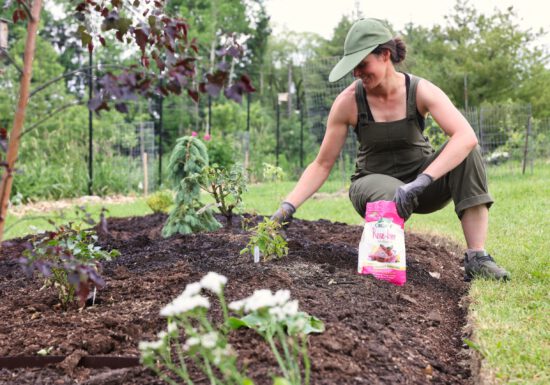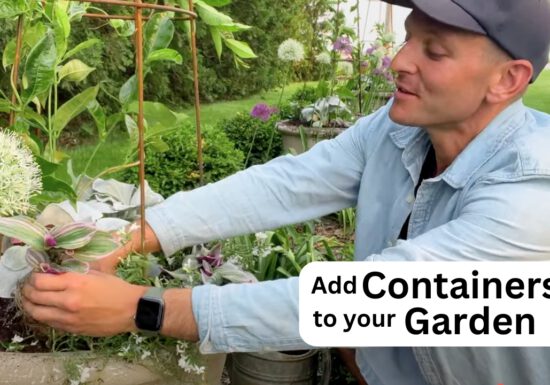
Follow along as Laura from Garden Answerplants some ranunculus and potatoes! 🥔🌱
To save time and money, Laura is using leftover potatoes from last year’s crop and planting the entire spud directly on the ground. Plus, planting with a high-quality organic starter fertilizer like Espoma Organic Bio-tone Starter Plus and top-dressing with a nutrient-rich organic compost like Espoma Organic Land & Sea Gourmet Compost, she’s creating the perfect environment for a stronger, more delicious yield.
Laura recommends following up with some organic fertilizer in her routine garden maintenance. She will feed her potato plants with Espoma Organic Garden-tone and her Ranunculus with Espoma Organic Flower-tone, providing each plant type with the specific fertilizer specially formulated to produce happy healthy plants.
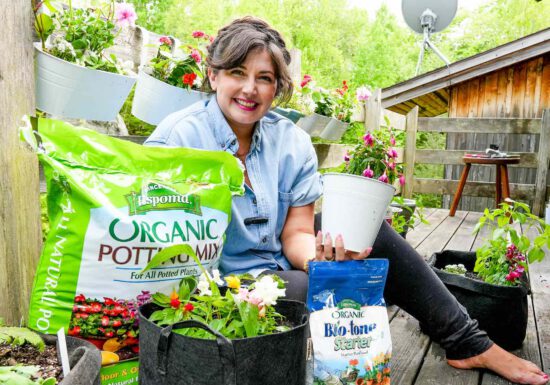
Who says you need acres of land to grow fresh veggies? Maria, from Growing Joy with Maria, proves you can cultivate an entire salad—including tomatoes, cucumbers, peppers, lettuce, and even edible flowers—all in a single pot! Her compact, balcony-friendly approach uses Espoma Organic products to ensure vibrant growth and delicious harvests.
Maria’s Top Tips & Espoma Essentials:
1) Use Quality Soil: Maria fills her container with an organic potting soil mix like Espoma Organic Potting Mix, creating a loose, nutrient-rich environment perfect for thriving plants.
2) Kickstart Healthy Roots: She incorporates an organic starter fertilizer like our Espoma Organic Bio-tone Starter Plus directly into the soil to enhance root growth and minimize transplant shock, thanks to a rich blend of natural and organic ingredients plus it’s enhanced with beneficial microbes, humates, and mycorrhizae.
3) Continuous Feeding: Maria ensures her plants have steady nutrition throughout the growing season by using Espoma Organic Garden-tonethe ultimate organic fertilizer formulated for feeding all your favorite herbs and vegetables!
4) Companion Planting: Adding edible flowers like violas, snapdragons, and sweet alyssum attracts beneficial pollinators, ensuring a beautiful and productive container.
5) Choose the Right Container: A large, self-watering pot with a trellis allows her microdwarf veggies to flourish vertically, maximizing space.
Try Maria’s easy, organic method to transform your balcony into a lush, productive garden space with Espoma Organic!
https://www.espoma.com/wp-content/uploads/2025/05/Thumbnail-1.jpg7201280Matt Dauphinaishttps://www.espoma.com/wp-content/uploads/2023/05/espoma-logo340w-1.pngMatt Dauphinais2025-05-16 16:21:462025-06-05 16:43:25VIDEO: How to 🌱 Grow a Whole Salad 🥗 in One Pot! 🪴 | Growing Joy with Maria
Laura from Garden Answer Preps Her Garden for Blooming Success!
Spring is in full bloom, and Laura from Garden Answer is busy giving her garden the nutrients it needs to thrive! In her latest video, Laura shares essential care tips for roses and hydrangeas, starting with careful pruning to encourage healthy new growth. After pruning, she feeds these beautiful flowering shrubs with Espoma Organic Rose-tone, a gentle yet effective slow-release fertilizer specially formulated to deliver vibrant blooms without the risk of burning plants—something common with synthetic fertilizers.
While Rose-tone is primarily designed for roses and other flowering plants, it’s safe for use on hydrangeas as well. However, for optimal results, especially if you’re aiming for blue blooms, Espoma Organic Holly-tone is typically recommended. Holly-tone is formulated for acid-loving plants and contains elemental sulfur, which helps lower soil pH—a key factor in achieving those sought-after blue hydrangea flowers . That said, using Rose-tone won’t harm your hydrangeas and can still provide beneficial nutrients.
Meanwhile, her husband Aaron works to ensure the rest of the garden plants get some love too, applying Espoma Organic Plant-tone to arborvitae and boxwoods. Plant-tone is enriched with beneficial microbes and humates, promoting robust growth and enhancing overall plant vitality.
Watch Laura’s full video for detailed tips on how to care for your garden and learn why Espoma Organic fertilizers are her go-to choice for healthy, flourishing plants!
For more hydrangea care tips, check out our complete guide to growing hydrangeas!
https://www.espoma.com/wp-content/uploads/2025/05/How-to-Care-for-Hydrangeas-Roses_Thumbnail_WP.jpg338600Matt Dauphinaishttps://www.espoma.com/wp-content/uploads/2023/05/espoma-logo340w-1.pngMatt Dauphinais2025-05-02 15:42:052025-05-02 16:36:28VIDEO: How to Care for Roses 🌹 & Hydrangeas 🌸 with Garden Answer
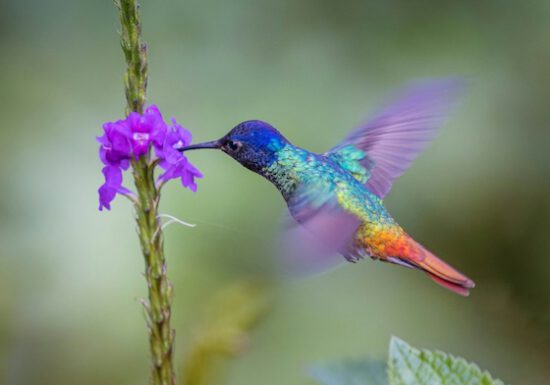
🌿 Learn how to create your hummingbird garden using Espoma Organic soil and fertilizer. With the right organic products, you can support pollinators and grow a garden that’s good for your heart — and the planet. 💚
Spring is here, and Maria from Growing Joy with Maria is transforming her balcony into an organic hummingbird and pollinator paradise! 🌸🐦 In her latest video, Maria shares how she builds a vibrant, eco-friendly garden packed with flowers designed to attract hummingbirds, bees, and butterflies — all using organic fertilizer and organic soil to give her plants the healthiest start.
To create strong, thriving plants, Maria relies on Espoma Organic Potting Mix and Espoma Organic Bio-tone Starter Plus. These trusted organic products help her container garden hold moisture, support root development, and produce long-lasting blooms, making them irresistible to local pollinators.
Maria’s setup is renter-friendly and easy to replicate. She fills colorful grow bags and planters with organic soil, adding trumpet-shaped flowers like fuchsia, bee balm, salvia, and petunias — all favorites of hummingbirds. She even shares DIY tips for making hummingbird feeders and reflects on how using organic fertilizers helps protect pollinators and nurture the environment.
https://www.espoma.com/wp-content/uploads/2025/05/GJWM_APNL.jpeg11522048Matt Dauphinaishttps://www.espoma.com/wp-content/uploads/2023/05/espoma-logo340w-1.pngMatt Dauphinais2025-05-01 16:07:572025-05-01 16:07:57VIDEO: How to Grow a Hummingbird Garden 🕊️🌿🌺 | Growing Joy with Maria
Spring is officially here, and Laura from Garden Answer welcomes the season with a fresh round of planting and garden prep!
She kicks things off by sowing stock flower seeds saved from last year. Using Espoma Organic Seed Starter Mix and Potting Soil, she creates the perfect environment for strong germination and healthy growth. To support her young seedlings, Laura turns to Espoma Organic Grow!—a liquid organic fertilizer packed with essential nutrients that help plants thrive naturally. 🌱
Next, Laura adds lasting color and structure to her landscape by planting three Sgt. Pepper Dogwood shrubs. Known for their vibrant red twigs and variegated foliage, these shrubs are given the best start with Espoma Organic Bio-tone Starter Plus, a mycorrhizae-enhanced organic fertilizer designed to promote deep roots and long-term plant health. 🌿
Finally, she refreshes her hellebores by trimming back old foliage and feeding them with Espoma Organic Holly-tone. This slow-release organic fertilizer is ideal for acid-loving plants and ensures strong, beautiful spring blooms. 🌸
From seed starting to shrub planting, Laura shows just how easy it is to grow a healthy, thriving garden with the help of Espoma Organic. If you’re looking to boost your garden naturally this season, reach for the organic fertilizers trusted by gardeners for over 95 years.
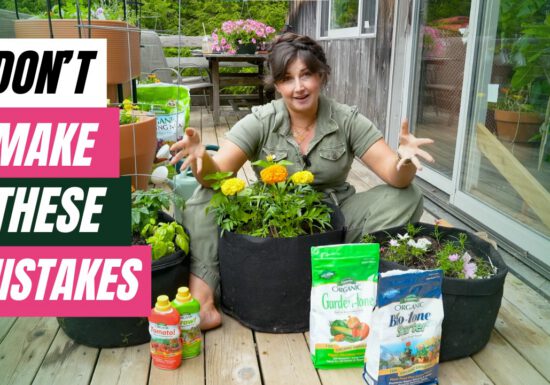
Balcony gardening is a rewarding but sometimes tricky endeavor, especially for beginners. In this video tutorial, Maria shares six common mistakes that she and many others have made while gardening in containers on balconies. She also highlights how Espoma Organic products can help prevent these pitfalls and ensure healthy, thriving plants.
1: Choosing the Wrong Plant Varieties
Many beginners choose plants that are too large for container growth. Maria advises selecting micro, dwarf, or patio-specific varieties like ‘Patio Baby’ eggplant or ‘Tidy Treats’ cherry tomatoes. These are bred to be compact and manageable, ideal for small balcony spaces.
2: Using the Wrong Potting Mix
Standard garden soil is not suitable for containers as it can be too dense and poorly aerated. Maria recommends using Espoma Organic Potting Mix, which includes perlite and wood bark for proper aeration. This ensures that roots receive enough air and water, crucial for healthy plant growth.
3: Inconsistent Watering
Balcony plants need regular watering, and failing to plan can lead to wilted or dead plants. Maria suggests using self-watering planters or multiple watering cans to maintain consistency. This strategy, along with early morning watering, ensures plants get the hydration they need.
4: Not Fertilizing Regularly
Container soil loses nutrients quickly. Maria uses Espoma Organic Bio-tone Starter Plus, an organic starter fertilizer at the time of planting to minimize transplant shock and boost initial growth. Throughout the season, she fertilizes monthly with Espoma’s specialized granular or liquid fertilizers such as Garden-tone, Flower-tone,Grow, or Tomato! liquid plant food.
5: Forgetting Plant Tags
Keeping track of which plant varieties perform best is essential. Maria emphasizes saving plant tags or using aesthetically pleasing labels. This simple step helps replicate success in future seasons.
6: Misunderstanding Light Exposure
Light availability is often overestimated. Balcony gardeners must consider shadows from buildings, railings, and trees. Maria advises using a compass to determine the direction of exposure and observing the balcony throughout the day to identify sunlight duration. Southern-facing balconies get the most sun, while northern ones are more limited.
Maria’s guidance is a blend of heartfelt experience and practical advice. By using Espoma Organic products and being mindful of these six common mistakes, balcony gardeners can transform small spaces into a gardening paradise. With the right organic soil, fertilizer, and planning, even a modest balcony can yield joy and an abundance of plants.
https://www.espoma.com/wp-content/uploads/2025/04/GJWM_6-Container-Gardeing-Mistakes_Thumbnail-.jpg7201280Matt Dauphinaishttps://www.espoma.com/wp-content/uploads/2023/05/espoma-logo340w-1.pngMatt Dauphinais2025-04-10 11:47:272025-04-10 11:56:58VIDEO: 6 Container Gardening MISTAKES | Growing Joy with Maria
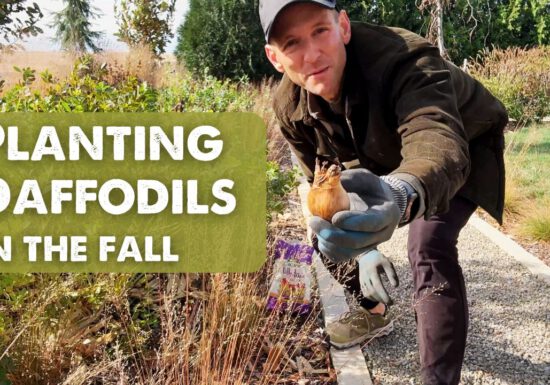
Planting daffodil bulbs in late fall is the perfect way to prepare for a colorful spring garden. Kaleb Wyse from Wyse Guide shares his top tips for planting bulbs to set them up for success. A key step is using a high-quality organic fertilizer like Espoma Organic Bulb-tone when planting. The fertilizer provides essential nutrients that will be ready and waiting when the soil thaws, helping bulbs quickly establish roots and produce vibrant, healthy blooms in spring.
Don’t miss your window to plant before the ground freezes. With just a little effort now, you’ll enjoy bright, cheerful daffodils when spring arrives!
https://www.espoma.com/wp-content/uploads/2024/12/Planting-Daff.jpg7201280Matt Dauphinaishttps://www.espoma.com/wp-content/uploads/2023/05/espoma-logo340w-1.pngMatt Dauphinais2024-12-17 11:26:562024-12-17 11:27:22VIDEO: How to Plant Daffodil Bulbs in Late Fall for Beautiful Spring Flowers 🌼 with Wyse Guide!
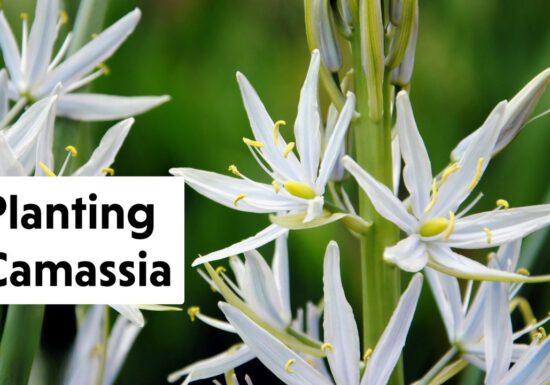
Camassia, a native North American bulb, is a stunning spring bloomer that thrives in USDA hardiness zones 3-8. Often underutilized these bulbs are known for their striking blue, lavender, or white flowers.
In this video, Summer Rayne Oakes of Flock Finger Lakes shows how to plant Camassia bulbs and shares her top plant care tips. Summer recommends mixing in a high-quality organic fertilizer like Espoma Organic Bulb-tone when planting. This practice ensures these bulbs get the nutrients they need to produce big, beautiful blooms.
Join Laura from Garden Answer as she shows how to plant a stunning fall container filled with a mix of annuals and hydrangeas. Along the way, she shares practical gardening tips while sprucing up a flowerbed and harvesting potatoes from her vegetable garden.
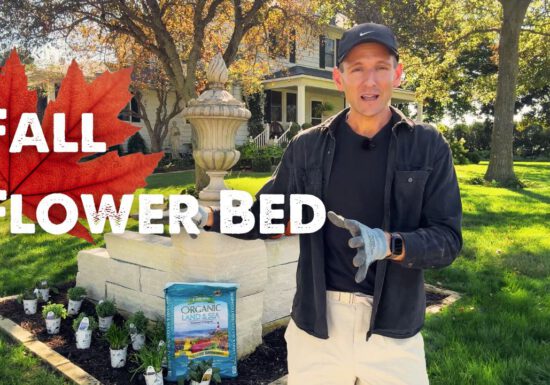
Fall is a great time for planting! Join Kaleb Wyse from Wyse Guide as he takes you into his garden for a new planting project.
When planting a flowerbed, Kaleb uses Espoma Organic Land & Sea Gourmet Compost to refresh his native soil with fresh organic material, creating an optimal growing environment for his new plants. He also mixes in Espoma Organic Bio-tone Starter Plus to provide the essential nutrients needed for strong root establishment.
https://www.espoma.com/wp-content/uploads/2024/09/Title-3.jpg7201280Matt Dauphinaishttps://www.espoma.com/wp-content/uploads/2023/05/espoma-logo340w-1.pngMatt Dauphinais2024-09-27 11:36:042024-10-08 16:15:43VIDEO: Planting a Fall Flower Bed with Wyse Guide