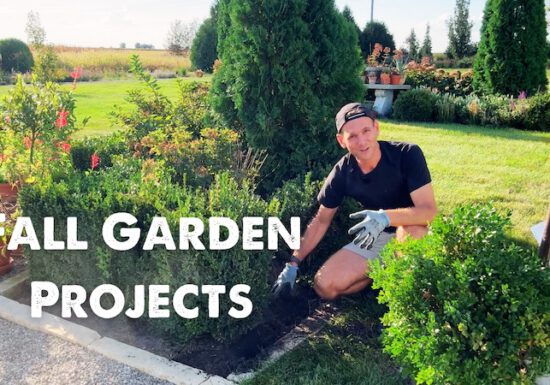
Watch Kaleb Wyse from Wyse Guidetackle some fall gardening projects at his mom’s house. In this video, Kaleb transplants boxwoods that aren’t doing well and repots agave plants from outdoor containers that need to be brought indoors for the winter. When transplanting the boxwoods, Kaleb recommends using a high-quality organic starter fertilizer like Espoma Organic Bio-tone Starter Plus to ensure strong root growth. He also uses Espoma Organic Potting Soilwhen repotting the agave plants to give his plants a fresh growing medium for the winter months.
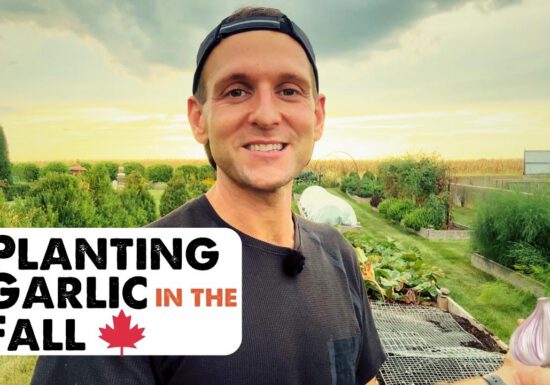
Watch Kaleb Wyse from Wyse Guide share his top tips for planting garlic in the Fall.
In this video, Kaleb demonstrates how to prepare the soil, plant garlic cloves, and protect them for the winter. He also offers valuable insights on choosing the best garlic varieties, spacing cloves properly, and caring for your garlic throughout the seasons.
Kaleb recommends using an organic fertilizer like Espoma Organic Bio-tone Starter Plus and a rich organic compost such as Espoma Organic Land & Sea Compost. He mixes these into his raised garden beds, already filled with Espoma Organic Raised Bed Mix, to add organic material and essential nutrients that support strong root growth and ensure a bountiful garlic harvest next summer.
https://www.espoma.com/wp-content/uploads/2024/11/Title-4.jpg7201280Matt Dauphinaishttps://www.espoma.com/wp-content/uploads/2023/05/espoma-logo340w-1.pngMatt Dauphinais2024-11-19 15:35:232024-11-19 15:35:23VIDEO: What You Need to Know Before Planting Garlic This Fall 🧄 🍁 || Wyse Guide
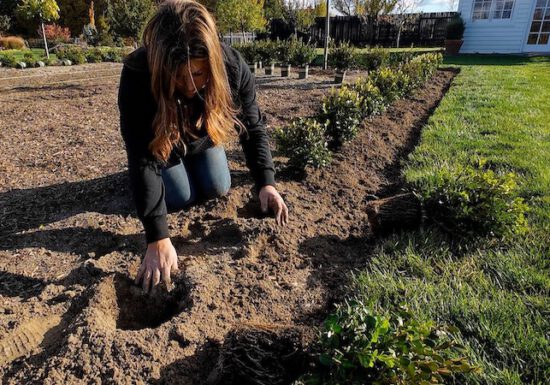
Join Laura from Garden Answer as she plants 500 Boxwoods in her new formal garden, transforming her space with lush greenery and a classic, structured look.
During planting, Laura recommends using a high-quality organic fertilizer like Espoma Organic Bio-tone Starter Plus. This essential step ensures her Boxwoods have the nutrients they need to establish quickly and thrive in their new home. Follow along to see her process and learn tips for planting success in your own garden!
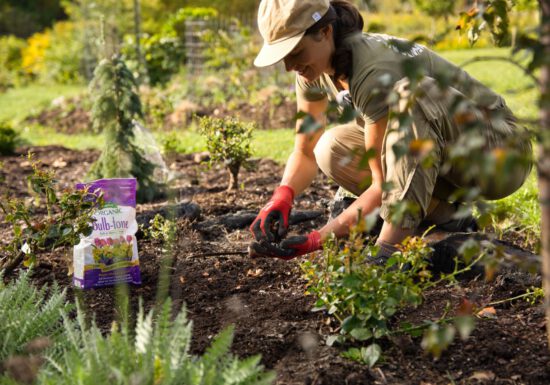
For those wanting a vibrant pop of color this fall, Summer Rayne Oakes from Flock Finger Lakes shares her approach to planting beautiful fall bulbs like saffron crocus (Crocus sativus) in her garden. Known for its delicate red stigmas that produce the high-value spice saffron, this plant requires careful planning and timing to thrive. Summer Rayne explains her process for selecting ideal planting spots, and preparing nutrient-rich soil using a high-quality organic fertilizer like Espoma Organic Bulb-tone.
Summer demonstrates how to plant each corm with a hori-hori knife, ensuring they’re set at the right depth and orientation for optimal growth. With a few helpful tips on moisture control and harvesting, she reveals why these crocuses are a beautiful and practical addition to any garden. Follow her journey to see how these stunning plants will enhance her fall landscape!
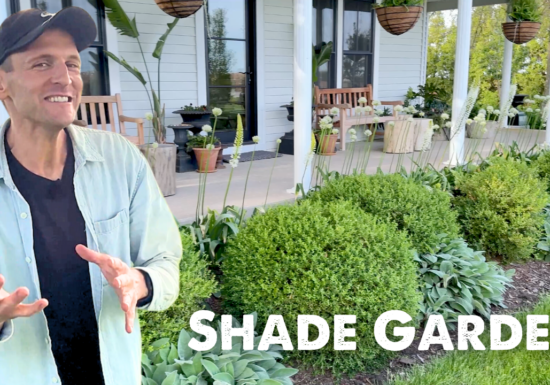
Join Kaleb Wyse from @WyseGuide as he shares top tips for planting shade-loving perennials. Learn how to tackle dry shade areas, prepare soil, and choose the right plants like Hostas and Japanese Forest Grass. Kaleb uses Espoma Organic Bio-tone Starter Plus to provide essential nutrients for blooming and growth. He also revitalizes outdoor containers using Espoma Organic Potting Soil and Plant-tone fertilizer.
Follow along with Laura from Garden Answer as she plants new perennials, evergreen trees, and shrubs throughout her gardens. Using Espoma Organic Bio-tone Starter Plus, Laura ensures her plants receive the essential nutrients they need for successful establishment. Discover her top tips and tricks to create a beautiful and thriving summer garden!
https://www.espoma.com/wp-content/uploads/2024/07/thumbnail3-2.jpg10801920Matt Dauphinaishttps://www.espoma.com/wp-content/uploads/2023/05/espoma-logo340w-1.pngMatt Dauphinais2024-07-24 14:13:292024-10-08 16:14:30VIDEO: Planting NEW Evergreens, Shrubs and Perennials ?☀️? with Garden Answer
Join Kaleb Wyse from Wyse Guide in this gardening guide as he prepares strawberry beds, plants onions, and fertilizes fruit trees using different types of organic fertilizer.
Strawberry Beds Preparation: Kaleb uses Espoma Organic Berry-tone to boost blooms and improve soil health. He also beds the strawberries with weed-free straw to protect the berries and reduce pest issues.
Planting Onions: Espoma Organic Garden-tone is applied to promote healthy green growth in the onion bed. Kaleb carefully selects long-day onion varieties for better growth and storage.
Fertilizing Fruit Trees: In his orchard, Kaleb uses Espoma Organic Tree-tone to support healthy growth and enhance fruit production. He also showcases the benefits of the open vase pruning method for better light and air circulation.
Enhance your garden’s health and productivity with Kaleb’s tips and the help of Espoma organic fertilizers. ?
https://www.espoma.com/wp-content/uploads/2024/07/Fertilize-your-Plants.png10801920Matt Dauphinaishttps://www.espoma.com/wp-content/uploads/2023/05/espoma-logo340w-1.pngMatt Dauphinais2024-07-18 17:35:422024-07-26 15:36:37VIDEO: Using Different Types of ORGANIC Fertilizers ??? with Wyse Guide
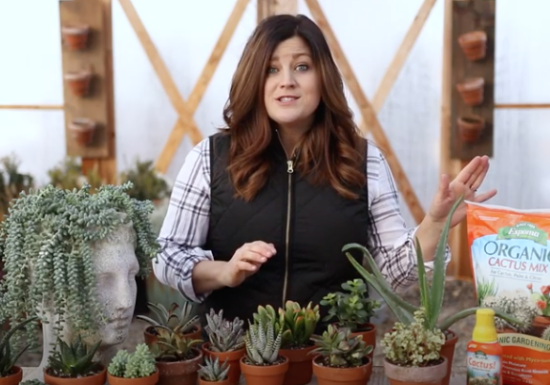
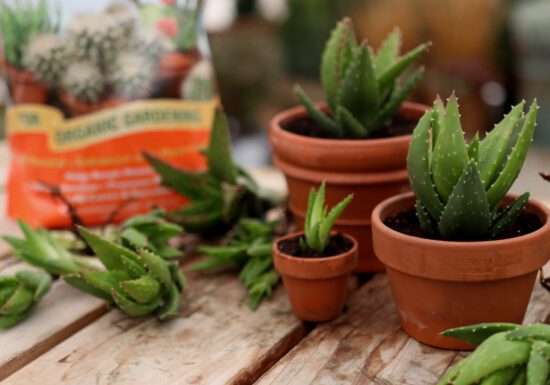
Are you ready to bring succulents into your home but not sure where to start? Laura from Garden Answerhas you covered! In this video, she shares her top seven beginner-friendly indoor succulents and simple care tips to help them thrive. Laura recommends starting with a high-quality organic potting soil like Espoma Organic Cactus Mixand feeding with an organic fertilizer like Espoma Organic Cactus! Liquid Plant Food.
Ever notice how a moment spent tending your plants feels like a mindful pause in a busy day? You’re not just watering—you’re nurturing calm, presence, and connection. We believe that caring for your green companions is one of the most natural forms of self-care. And just like you thrive on nourishing food, your plants thrive when you feed them regularly with Espoma Organic fertilizer —gentle, effective, and safe for people, pets, and the planet.
The Science Behind the Serene
Sharper Mind + Better Mood Studies show that being around plants can boost memory and attention by about 20%, while reducing background noise and enhancing productivity and creativity—especially in home or little work-from-home nooks.
Soil for the Soul That earthy scent? It comes from microbes like Mycobacterium vaccae (lovingly nicknamed “outdoorphins”), and they don’t just feed your plants—they may help boost your mood and immunity, too.
Self-Care That Doesn’t Feel Selfish
Pulling weeds, misting leaves, or simply observing new growth—these are gentle rituals that anchor us in the now. As one soothing tip from our brand partner, Maria Failla of Growing Joy with Maria, reminds us:
“Use watering or caring for them as an excuse to get up from your computer and take some ‘me-time’—because plant care is self-care.”
Pair that with feeding your plants Espoma Organicfertilizer, and you’re nourishing life in every sense.
Indoor Joy: Caring for Your Plants with a Gentle Boost
Your indoor plants do more than brighten a room—they improve your air, calm your mind, and remind you to slow down. To keep them thriving year-round, a little extra nourishment goes a long way.
That’s where Espoma Organic Indoor! liquid fertilizer comes in. This gentle, balanced formula is made from natural ingredients and feeds instantly, giving your leafy friends the nutrients they need for lush growth and vibrant color—even in the lower light of winter months.
Self-Care Tip: Pair your plant feeding with your own wellness ritual. Set a reminder every 2–4 weeks to water and feed your plants, then take a few minutes to enjoy a cup of tea nearby. Watch how your plants respond over time—you’ll notice deeper greens, healthier new leaves, and a little spark of joy in your day.
Festive Downtime: Holiday-Ready Green Retreats
During the busy holiday season, a mini Christmas cypress or Norfolk Island Pine—with its fresh sap-like scent—can be both a peaceful décor choice and a mindful project. Pot it up in our Espoma Organic Potting Mix, give it a slow sip of water, and feed it with an organic fertilizer like Indoor! for lasting joy. It’s a gift that grows for you, not just from you.
Fresh Ways to Deepen Plant-Based Self-Care
Micro-Meditation Moments Set a daily two-minute ritual—touch the soil, check a leaf, breathe deeply. Call it a “plant-powered reset.”
Create a Kitchen Corner of Calm A small shelf of herbs like basil, lavender, or even mint provides an aromatic escape and practical joy when cooking. Watering and feeding them with organic fertilizer like Indoor! can become a lovely action in your daily rhythm.
Mindful Mondays with Biophilia Start your week by simply sitting with your plants—observing new buds, leaf shapes, and subtle color shifts. This biophilic practice connects you to growth and groundedness.
Let Your Care Shine Through
Plant care is not just about pretty greenery—it’s caring for yourself, too. You pause, breathe, tune in, and the soil responds. Whether it’s a festive tree, a potted herb, or a tranquil succulent, your green space is your sanctuary. And with a little love, light, and organic fertilizer, your plants—and your spirit—can truly thrive.
*****
Here are some of our other blogs and videos we think you will enjoy.
https://www.espoma.com/wp-content/uploads/2019/03/IMG_3162.jpeg33686000espomahttps://www.espoma.com/wp-content/uploads/2023/05/espoma-logo340w-1.pngespoma2019-12-11 11:54:012025-08-13 14:53:41Plant Care Is Self-Care: Nurture Yourself as You Nurture Your Plants
There’s no better way to enjoy your garden than by encouraging it to grow bigger and better. Before your summer veggies and flowers peak, take your garden to the next-level by refueling it.
Knock-out these 5 essential tasks and your garden will thank you. You’ll extend your summer season and ensure that your lawn and garden are in tip-top shape.
5 Ways to Give Your Summer Garden a Boost
1. Hydrate. When it’s hot, dry and muggy, the best thing is a nice cold drink. Your plants need some H2O, too. The trick to keeping your garden hydrated during the hottest days is not to water more. It’s to water smarter. Water plants deeply in the morning so they have the entire day to soak it up.
Image courtesy of Garden Answer
2. Keep plants fed. Your summer veggies and flowers are hungry. Feed hanging baskets, container gardens and annuals with liquid Bloom! plant food every 2 to 4 weeks. Vegetables such as tomatoes and peppers are heavy feeders. Continue to feed every 2 weeks with organic fertilizers Tomato-tone or Garden-tone.
3. Prune and deadhead. Extend the life of perennials by deadheading flowers as soon as they are spent. This will encourage plants to keep blooming as long as weather permits. Your roses will thank you. Prune tomato suckers and shrubs now, for fuller plants later.
4. Mow lawns strategically. When mowing, keep the mower blades high (3” or higher) to encourage healthy roots. Cut grass in the evening to give it time to recover and keep yourself cool.
5. Plant more! There are many quickly maturing plants that will thrive in summer gardens and be ready for harvest in the fall. Try planting radishes, cucumbers, beans and more.
Sit back and relax! Take a good look at your hard work and dream about the rewards and bountiful harvests you’ll enjoy in the months to come.
If you’re looking to get a better tomato harvest this summer, be sure to check out our complete tomato guide!
https://www.espoma.com/wp-content/uploads/2017/07/June-1A.jpg4441200espomahttps://www.espoma.com/wp-content/uploads/2023/05/espoma-logo340w-1.pngespoma2017-07-13 17:24:472024-07-23 15:37:025 Ways to Give Your Summer Garden a Boost