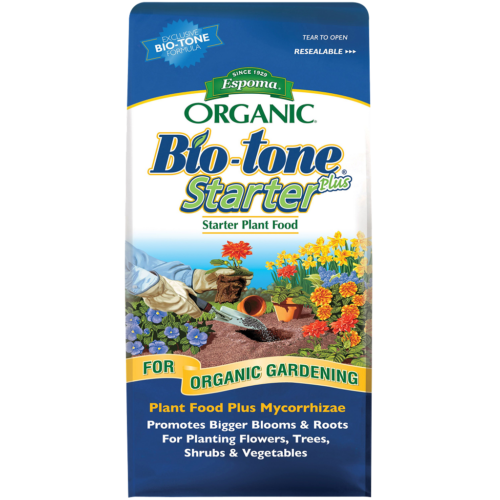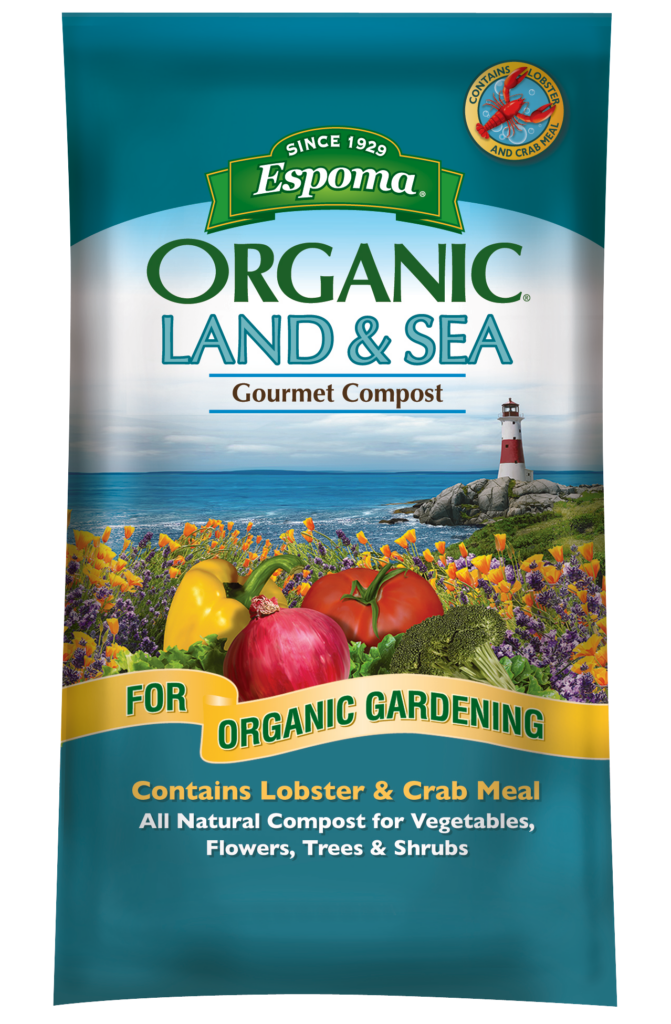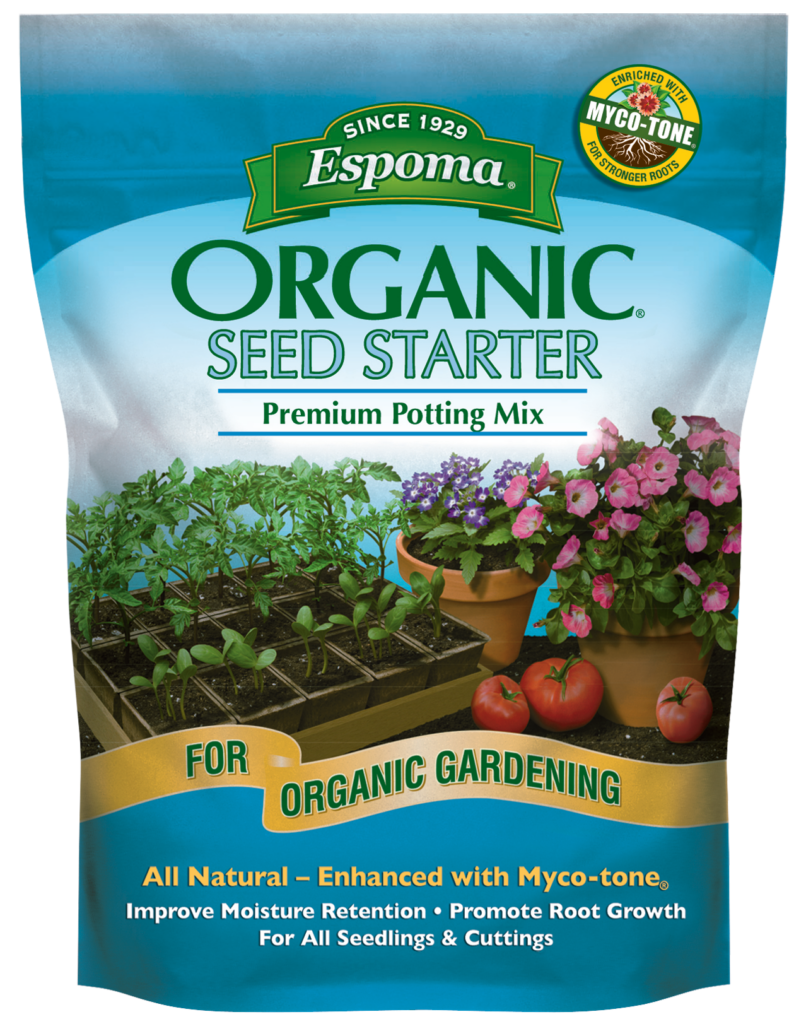
Laura from Garden Answer spends the day planting zinnias using two different methods—starting several varieties from seed in her greenhouse while direct-sowing others into her raised beds. In the greenhouse, she fills paper pots with Espoma Organic Seed Starter for a lightweight, root-friendly growing medium. Outside, she refreshes her raised beds with Espoma Organic Land & Sea Gourmet Compost before sowing seeds directly into the soil. She also rounds out the day’s planting by adding two new evergreen trees, using Espoma Organic Bio-tone Starter Plus to help them establish strong, healthy roots.
The Zinnias & Evergreens Laura Plants:
Zinnias:
- Zinderella Peach — One of Laura’s all-time favorite varieties.
- Blushing Bride
- Aurora
- Ballerina
- Lilliput
- Mazurkia
Evergreens:
- Royal Splendor Norway Spruce
- Mint Truffle Bosnian Pine
Planting Zinnia Seeds 2 Ways:
Laura is starting some of her zinnias in her greenhouse because she can’t easily sow them directly in her formal flower garden. By starting several varieties in trays, she can give them the best possible start and easily manage their moisture as they grow before planting them in the garden. For some of her seeds, she’s taking advantage of her raised beds, where a dependable daily drip irrigation system makes direct-sowing simple and helps keep the soil evenly moist until the seeds sprout.
Starting Seeds in Trays
1. Use Seed Starting Mix
For her trays, Laura uses Espoma Organic Seed Starter Mix and pre-moistens it with water, mixing until it holds its shape when squeezed but doesn’t release water. That texture helps the mix settle into her paper pots evenly and ensure the seeds stay put.
2. Sow 2–3 Seeds Per Cell
Laura fills each cell with the moistened mix. She pokes a quarter-inch hole in the center of every cell, then drops in two or three zinnia seeds per cell. Once seeded, she tops each cell with a bit more soil and then waters gently with a water can so she doesn’t disturb the seeds
Direct Sow in Raised Beds
1. Amend Soil
Outside in her raised beds, Laura adds some Espoma Organic Land & Sea Gourmet Compost into the soil before planting her seeds.
2. Direct-Sow the Zinnia Seeds
With the beds prepped, Laura runs a quarter-inch furrow down the drip line in each raised bed, sprinkles in her Lilliput and Mazurkia zinnia seeds, covers them over, and waters them in. Going forward, the morning drip cycle will keep the soil moist, with just a little extra hand-watering in the evenings until the seeds germinate — which, given the summer heat, should happen quickly.
Planting Evergreens with Bio-tone Starter Plus
Later in the video, Laura adds two new evergreens to her landscape—a Royal Splendor Norway Spruce and a Mint Truffle Bosnian Pine. Before setting each tree in the ground, she mixes Espoma Organic Bio-tone Starter Plus into the planting hole. Packed with mycorrhizae and beneficial microbes, Bio-tone Starter Plus helps reduce transplant shock and gives new trees the best possible start by encouraging strong, healthy root growth from day one.
You Can Do It!
Whether you’re starting seeds in trays, sowing directly in the garden, or planting something new in the landscape, the right products make all the difference. Laura relies on Espoma Organic products to give every seed and plant the healthy foundation it needs to grow strong and thrive for seasons to come.
*****
Featured Products: