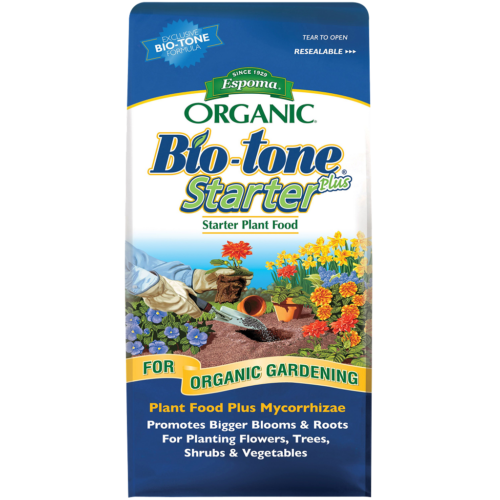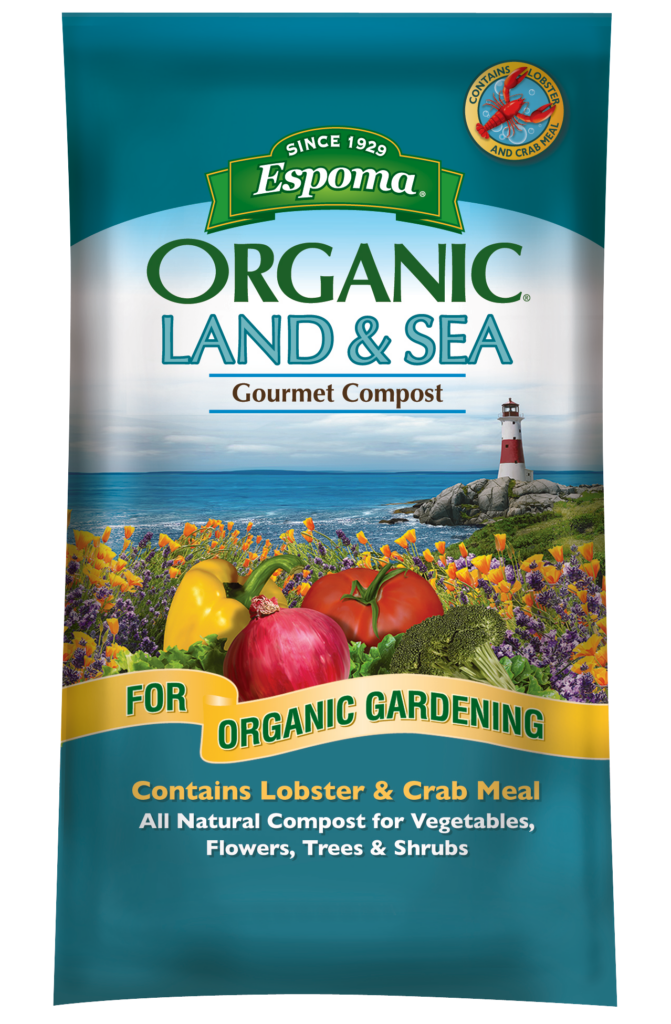
In the first of this two-part series, Kaleb Wyse of Wyse Guide shares how he creates a beautiful, low-maintenance perennial bed designed for full sun, from selecting the right plants and arranging them for the best impact to planting nearly 300 perennials. After previously preparing the bed with Espoma Organic Land & Sea Gourmet Compost, Kaleb gives every plant the best possible start by adding Espoma Organic Bio-tone® Starter Plus to each planting hole, helping roots establish quickly and supporting healthy, long-term growth.
Kaleb’s Perennial Picks:
- Caradonna Salvia — One of the most reliable and versatile perennials in the bed.
- Summer Magic Nepeta (Catmint) — A more compact, upright version of the classic Walker’s Low.
- Moonshine Yarrow — Fern-like silvery foliage — and in low light, it almost seems to glow.
- Hummelo Stachys (Betony) — Tall, sturdy blooms in early summer and it’s ideal for the full-sun.
- Big Blue Eryngium (Sea Holly) — One of the showiest plants in the bunch, with large structural blooms and beautiful color variation in the veining.
- Karl Foerster Grass — Not your average ornamental grass. Karl Foerster stays upright and manageable.
- Phantom Joe Pye Weed — A more compact Joe Pye Weed variety.
- Munstead Dark Red Sedum — A rich red-pink late bloomer that’s drought tolerant, sturdy, and easy to split as it matures.
Kaleb’s Tips for Planning and Planting:
1. Plan for Easy, All-Season Interest
A perennial bed can be beautiful even when little is blooming. Choose plants with contrasting foliage, colorful stems, architectural shapes, and varied heights to keep the garden visually interesting throughout the seasons. Combine early-, mid-, and late-season bloomers for long-lasting color. To make the bed easier to maintain, look for sturdy varieties that can handle sun, heat, wind, and drier conditions once established without frequent staking or extra support.
2. Don’t Overlook Smaller, More Affordable Plants
While larger perennials provide an immediate presence, smaller plants can be a smart and economical choice. Kaleb notes that four-inch plants and plugs often establish quickly, require less water initially, and can catch up to gallon-sized plants within a year or two.
When purchasing plants don’t stress over the container size and choose your plant size based on availability, budget, and how quickly you want the bed to look full.
3. Group for Impact and Repeat Randomly
One perennial can get lost in a large bed. To prevent that, Kaleb groups plants in odd numbers—usually five or seven—to create noticeable pockets of color and texture. He repeats the groupings informally throughout the bed. Repetition helps the garden feel connected, but the groups aren’t placed at perfectly even intervals or directly across from one another. This creates what he calls “chaos within defined lines”—a garden that feels loose and natural but still looks cohesive and intentional.
4. Use an Auger and Plant with Bio-tone Starter Plus
When planting 300 perennials, Kaleb relies on a drill-mounted auger to make quick work of digging, even in tough soil. Once each hole is ready, he mixes in Espoma Organic Bio-tone® Starter Plus before planting. Bio-tone Starter Plus provides beneficial microbes and nutrients that help roots establish quickly while supporting a healthier soil ecosystem for long-term growth.
You Can Do It!
A perennial bed this size can feel daunting, but the method is the same no matter the scale. Choose plants for season long interest, group them for impact, and give every plant a strong start with Bio-tone Starter Plus and Land & Sea Gourmet Compost. Stay tuned for part 2 for more on this project.
*****
Featured Products: