If you garden in a hot climate (like zones 8, 9, or 10), a lot of the advice out there just isn’t written for you. Frankly, gardening in hot climates is a completely different game and can lead to a lot of error.
This blog is inspired by Episode 253 of Growing Joy with Plants Podcast, where Maria and Janey from Dig Plant Water Repeat talked about their 5 top tips for growing plants in higher USDA zones. Janey gardens in Northern California (Zone 9B, hot and dry), and she’s built her platform around helping gardeners in warm climates feel confident and successful.
Key Rules for Gardening in Hot Climates
1. Don’t Rely Solely on the Plant Tag/Label
Plant tags are sadly, not written for you hot climate gardeners. They’re written for the most average gardener in the most average zone… and that’s probably somewhere in the Midwest.
That means:
- An “annual” might actually be a perennial in your zone.
- “Full sun” might mean something very different in Arizona or Florida than it does in Illinois.
So when you see “full sun” on a hydrangea, that doesn’t mean YOUR full sun.
Your afternoon sun in Arizona/Florida/California is a completely different animal. It will scorch plants that would grow in full sun up north.
The best thing to do is to look for morning sun spots. Protect plants from that brutal afternoon heat. Also, skip the big box stores and go find a local independent garden center with people who actually garden in your zone. Ask them for recommendations on which types of plants to grow.
2. Water Deeply. Not often.
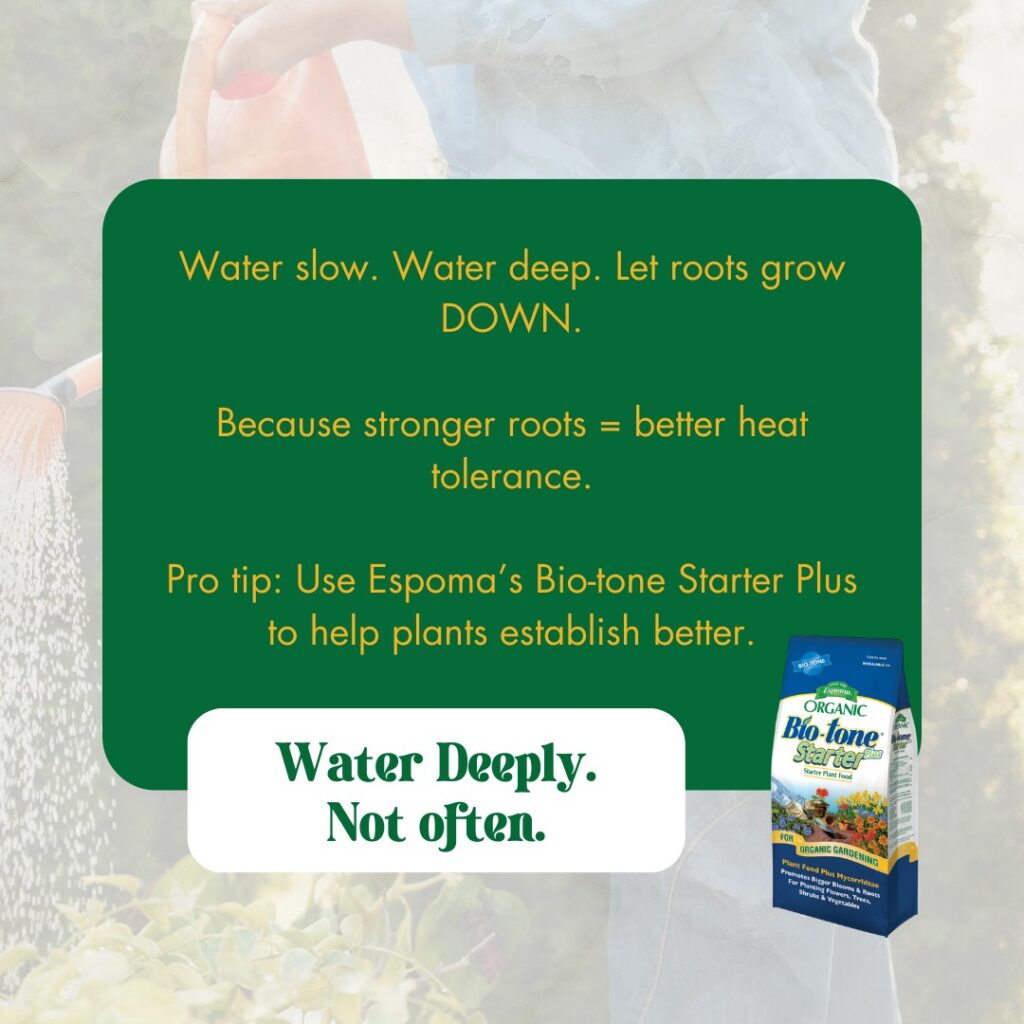
You don’t actually need to water more. You just need to water smarter.
If you water a little bit every day, your plant roots hang out right at the surface waiting for it. Then a heat wave hits and those shallow roots have nothing to pull from.
When gardening in hot climates, you should water:
- slowly
- deeply
- less often
You’re basically training your plant to go find water deeper in the soil. Try drip irrigation (this is important in many hot regions) as it goes right to the root zone, with no evaporation, no wet leaves, and no fungal issues. Always water in the morning too, before the heat kicks in.
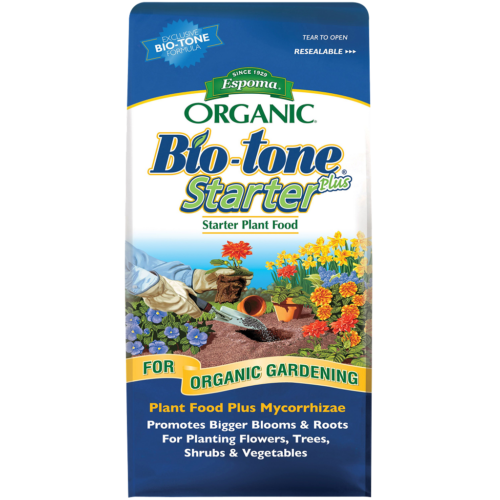
And if you want those roots to establish fast, mixing in Espoma Organic Bio-tone® Starter Plus when you plant your plants. It really helps. It’s specifically designed to help plants build a bigger root mass right from the start, which in a hot climate, is crucial.
3. Mulch. Mulch. Mulch.
In Janey’s master gardener training, they were literally not allowed to say the word mulch just once. You had to say it three times because that’s how important it is.
Why mulch is important:
- It slows down evaporation – so all that deep watering you just did doesn’t just disappear into the air
- It regulates your soil temperature
- Healthy soil is full of living organisms that don’t do well when it gets too hot
- It’s basically a temperature regulating blanket for your soil
Those thin shards of bark called walk-on mulch is Janey’s top pick. It insulates, slows evaporation, and breaks down over time to actually feed your soil.
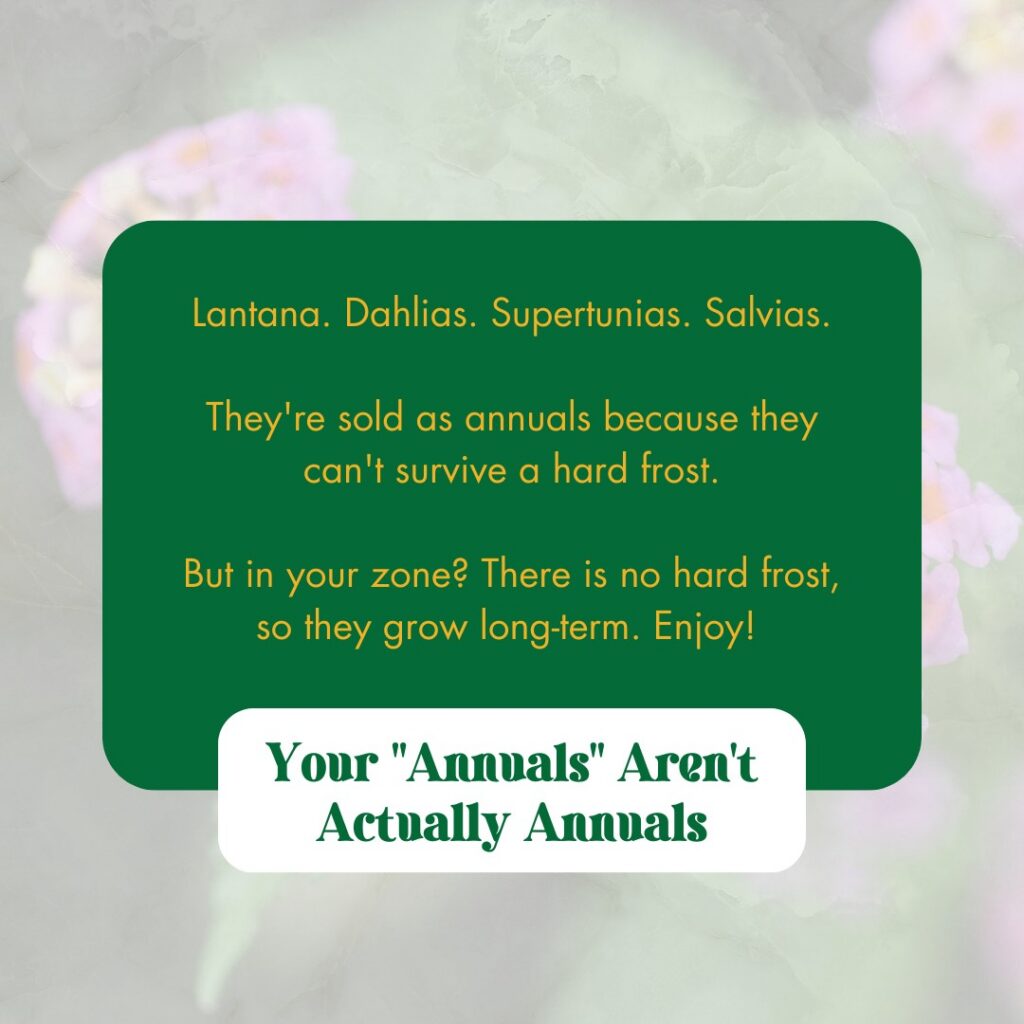
4. In Most Hot Climates, Annuals Are Actually Perennials (Kind Of)
This is probably the most exciting thing about gardening in a hot climate.
A lot of plants that are sold as annuals are only annuals because they can’t survive a hard frost. But in a hotter zone, there is no hard frost. So they just… keep going.
Janey calls these “temperennials.”
- Lantana
- Supertunia Vista Bubblegum
- Salvias
- Dahlias
- Verbena
- Kniphofia (Red Hot Poker)
These plants will come back year after year in hot zones, and some of them will grow into full-on shrubs. So instead of treating these as disposable seasonal color, design with them as semi-permanent features in your landscape.
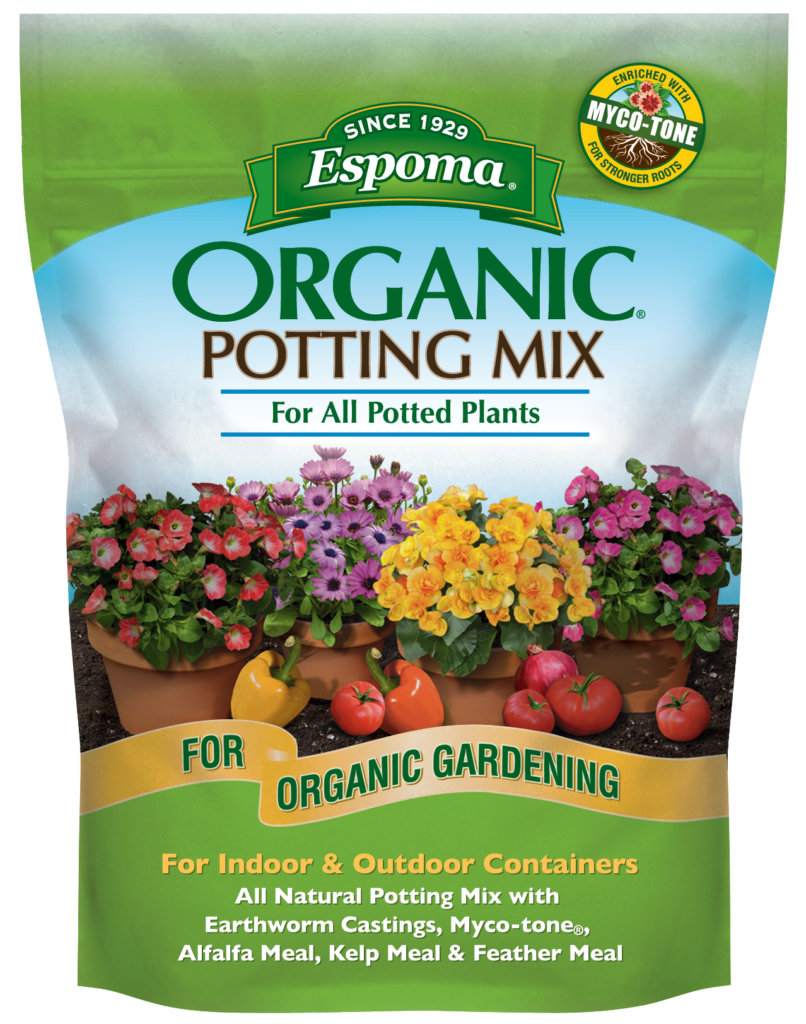
For anything going into containers or raised beds, Espoma Organic Potting Mix gives these plants a really solid foundation, especially since some of them are sticking around a lot longer than one season.
5. Learn Your Actual Seasons
Hot-climate gardening doesn’t follow the same calendar as the rest of the country. Fall is not the wind-down season, it’s quite the opposite. In a hot climate, fall is planting season.
In many Zones 9-10:
- Fall = best planting time (shrubs, perennials, bulbs)
- Winter = productive vegetable season
- Spring = expect brutal heat
- Summer = survival mode
For example:
- Tomatoes may struggle in peak summer heat, try growing them in the Fall and Winter
- Cool-season crops may grow in winter
- Shrubs and perennials grow beautifully in fall
Find your local Master Gardener planting calendar and keep it bookmarked.
Grow Joy in Every Climate!
Hot climate gardening has its own learning curve. But it’s hard to not notice the perks as well! You get longer seasons, plants that keep coming back, and blooms when the rest of the country is buried in snow. So don’t be intimidated by the heat!
To learn more, listen to the full Growing Joy podcast episode
Learn more about Growing Joy with Maria:
🪴🌿 Website
🪴🌿 YouTube
Featured Products: