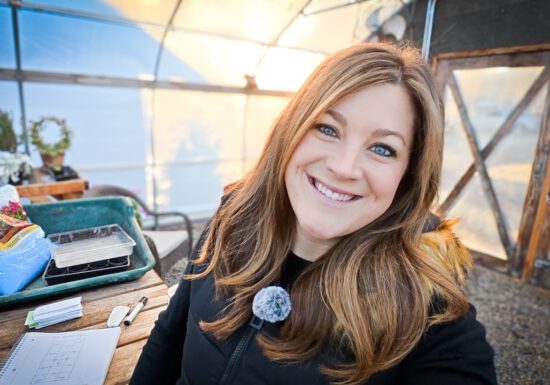
Laura from Garden Answer brings a burst of fresh autumn color to the garden! 🌻 She shares an update on her sunflowers, plants new boxwoods with Espoma Organic Bio-tone Starter Plus to help the roots establish naturally, and refreshes her fall containers with vibrant ornamental kale, rudbeckia, and pansies. Using Espoma Organic Potting Mix, Laura ensures every plant has the rich, healthy soil it needs to thrive this season.
From planning to petals, follow along as Laura from Garden Answer plants ten Rugosa roses in three beautiful varieties: the classic single pink Rosa rugosa, the crisp white Rosa rugosa ‘Alba’, and the fluffier double white ‘Blanc Double de Coubert.’ These own-root roses (no grafts here!) were chosen for their strength, fragrance, and show-stopping hips that carry color from summer into winter.
Laura’s #1 Planting Tip:
Always plant with a high-quality organic starter fertilizer like Espoma Organic Bio-tone Starter Plus!
When Laura plants, she reaches for Espoma Organic Bio-tone® Starter Plus. It’s her go-to because it:
Builds stronger roots fast.Bio-tone is packed with beneficial microbes and mycorrhizae that help new plantings establish quickly.
Reduces transplant stress. Healthier roots mean better water and nutrient uptake—so plants settle in and start growing.
Feeds gently and naturally. An organic, starter-grade fertilizer that supports early growth without pushy top growth.
Works for everything you plant. Ideal for shrubs, perennials, trees, veggies, and roses of all kinds. If it’s going in the ground, mix in Bio-tone.
How Laura uses it: At planting time, she mixes Espoma Organic Bio-tone Starter Plusinto the backfill soil and sets each rose at its current soil level (since these are own-root roses). Then she waters in well to activate the microbes and help eliminate air pockets.
Planting Pro Tip: Always backfill, then water deeply to settle soil around roots. Consistent moisture after planting helps Bio-tone’s microbes go to work.
Rugosa Roses: Tough, textural, and full of seasonal interest
Laura is planting Rugosas for their resilience and beauty:
Cold-hardy and adaptable. Depending on variety, Rugosas can thrive from roughly Zones 2–10, making them a great choice for many climates.
Size & presence. Expect a medium to tall shrub—often 5–7+ feet at maturity—so give them room to show off.
Sun & low maintenance. They love full sun and don’t need deadheading. Occasional shaping and removal of dead wood keeps them tidy.
Iconic hips. Big, colorful hips provide long-lasting interest—and look gorgeous against evergreens and conifers, just like Laura’s pairings.
Own-root reliability. Because these roses are grown on their own roots, if they die back and regrow, they’ll still return true to variety.
No matter what you’re planting, success starts below the soil line. Espoma Organic Bio-tone Starter Plussets roots up to thrive—from shrubs like Rugosas to perennials, edibles, and young trees—so your garden establishes faster, stays healthier, and looks better, sooner.
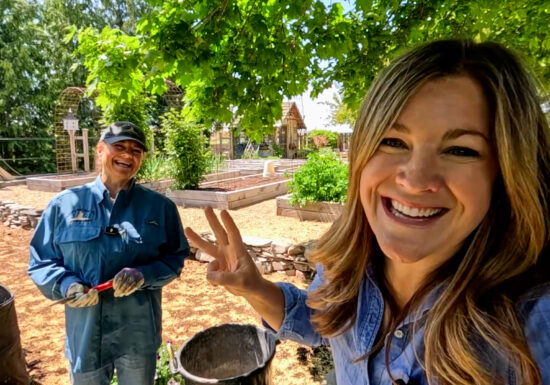
Laura from Garden Answer teams up with her mom to spruce up her parents’ garden by planting David Austin Evelyn Roses. Laura amends her soil with her favorite organic starter fertilizer, Espoma Organic Bio-tone Starter Plus, and Espoma Organic Land & Sea Compost.
Laura also spends some time weeding and repotting plants into the garden beds. The hearty soil combo of Bio-tone Starter Plus and Land & Sea Compost will help ensure all the roots stay strong and healthy blooms are forthcoming.
Laura from Garden Answer Preps Her Garden for Blooming Success!
Spring is in full bloom, and Laura from Garden Answer is busy giving her garden the nutrients it needs to thrive! In her latest video, Laura shares essential care tips for roses and hydrangeas, starting with careful pruning to encourage healthy new growth. After pruning, she feeds these beautiful flowering shrubs with Espoma Organic Rose-tone, a gentle yet effective slow-release fertilizer specially formulated to deliver vibrant blooms without the risk of burning plants—something common with synthetic fertilizers.
While Rose-tone is primarily designed for roses and other flowering plants, it’s safe for use on hydrangeas as well. However, for optimal results, especially if you’re aiming for blue blooms, Espoma Organic Holly-tone is typically recommended. Holly-tone is formulated for acid-loving plants and contains elemental sulfur, which helps lower soil pH—a key factor in achieving those sought-after blue hydrangea flowers . That said, using Rose-tone won’t harm your hydrangeas and can still provide beneficial nutrients.
Meanwhile, her husband Aaron works to ensure the rest of the garden plants get some love too, applying Espoma Organic Plant-tone to arborvitae and boxwoods. Plant-tone is enriched with beneficial microbes and humates, promoting robust growth and enhancing overall plant vitality.
Watch Laura’s full video for detailed tips on how to care for your garden and learn why Espoma Organic fertilizers are her go-to choice for healthy, flourishing plants!
For more hydrangea care tips, check out our complete guide to growing hydrangeas!
https://www.espoma.com/wp-content/uploads/2025/05/How-to-Care-for-Hydrangeas-Roses_Thumbnail_WP.jpg338600Matt Dauphinaishttps://www.espoma.com/wp-content/uploads/2023/05/espoma-logo340w-1.pngMatt Dauphinais2025-05-02 15:42:052025-05-02 16:36:28VIDEO: How to Care for Roses 🌹 & Hydrangeas 🌸 with Garden Answer
https://www.espoma.com/wp-content/uploads/2025/04/HANDS_corrected-5-copy.jpg7201280Matt Dauphinaishttps://www.espoma.com/wp-content/uploads/2023/05/espoma-logo340w-1.pngMatt Dauphinais2025-04-08 16:40:032025-04-08 16:40:03VIDEO: Repotting a Blood Orange Tree 🍊🌳 with Garden Answer
Follow along with Laura from @gardenanswer as she walks you through a step-by-step guide on planting herbs from seed. Laura recommends using a high-quality organic potting soil mix, like our Espoma OrganicSeed Starter Mix, to create the ideal environment for seed germination.
1) Choose your herbs! – Everyone has their food preferences. choose the herbs that you want to grow and eat!
2) Growing Location – Choose a location that provides adequate sunlight. Most herbs require at least 6-8 hours of full sunlight for germination.
4) Gather Information– Understanding how to care for the seeds you’ve chosen is key to successful growth. Most seed packets include planting and care instructions on the back to guide you in properly planting and nurturing your herbs.
5) Prep Your Soil – It’s important to use a high-quality seed-starting mix like Espoma Organic Seed Starter. These mixes are lighter than traditional potting soils, promoting better root development for young plants. Adding water to the soil will help provide adequate moisture for germination and will help with the soil structure by preventing settling in your container.
6) Make Your Plant I.D. Tags – Labeling your pots before planting helps keep everything organized, ensuring you know exactly what to plant in each pot and preventing any mix-ups.
7) Plant your seeds!– plant at least 2-3 seeds per container you should always Refer to your seed packets for proper planting instructions.
Bonus Tip! – Skip the watering can! Laura recommends using a spray bottle or mister to gently water your seeds without disturbing them.