Although monoculture lawns have been the default for decades, they’re starting to feel outdated. With so many people moving towards lawns and landscapes that are kinder to the planet, many are shifting to groundcover as a Earth friend lawn replacement.
This blog is inspired by Episode 308 of Growing Joy with Plants, where Maria sits down with Kathy Jentz, author of Groundcover Revolution, to talk about groundcovers, low-growing plants that are lower maintenance, more sustainable, and often more beautiful.
Why Replace Your Lawn With Groundcover?
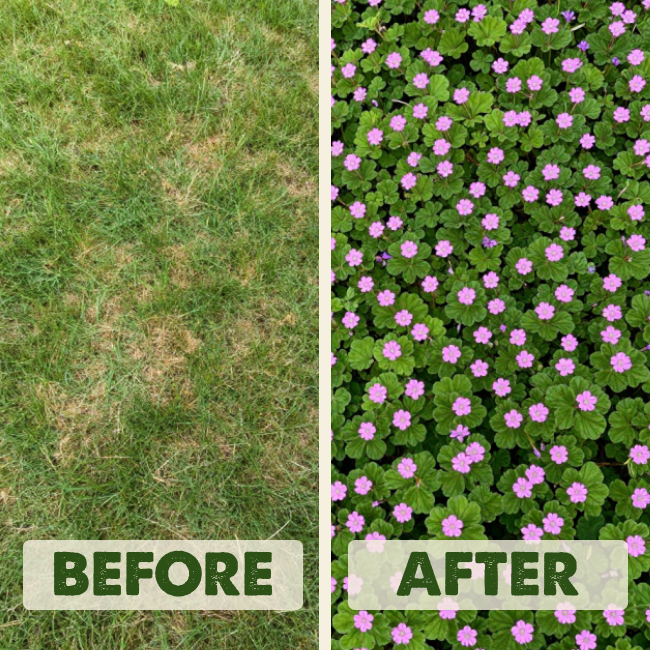
Your lawn is probably the hardest working and hardest to maintain part of your yard. It demands so much of you, especially in climates where they don’t naturally grow.
But groundcovers, on the other hand, suppress weeds, require less water, support pollinators, and once they’re mature, they can practically take care of themselves.
Besides, wouldn’t you rather have a beautiful yard with colors instead of the usual green?
Why Groundcovers Beat Turfgrass
Since turfgrass is difficult to grow in a lot of spots, you need a replacement that doesn’t fight your yard’s conditions.
Groundcovers are your best choice of action because:
- No more mowing once they fill in
- They remove weeds on their own
- Flowering types feed bees, butterflies, and other pollinators
- Deep roots hold soil on slopes and stop erosion
- They use way less water than turf
Why What About Artificial Turf?
Skip it. Fake grass is basically plastic laid over your soil. It gets hot in the summer, kills the microbes in the soil, traps pet waste, and weeds still grow in it when birds drop seeds.
You’ll also need to replace it every 10 years, so it’s not very low-maintenance as it sounds.
Groundcovers actually improve your soil over time, and look way nicer
Can You Walk on Groundcovers?
Yes, if you choose the right ones. Some groundcovers are fully “stepable,” bred and sold specifically to tolerate foot traffic. Look for branded lines like Stepables or Treadwell.
How to Pick the Right Groundcover
Start by looking at your yard. How much sun does the spot get? Is the soil dry, normal, or wet? Are there big tree roots nearby?
Then match the plant to the place. A few favorites:
- Clover (tolerates kids/dogs running across them)
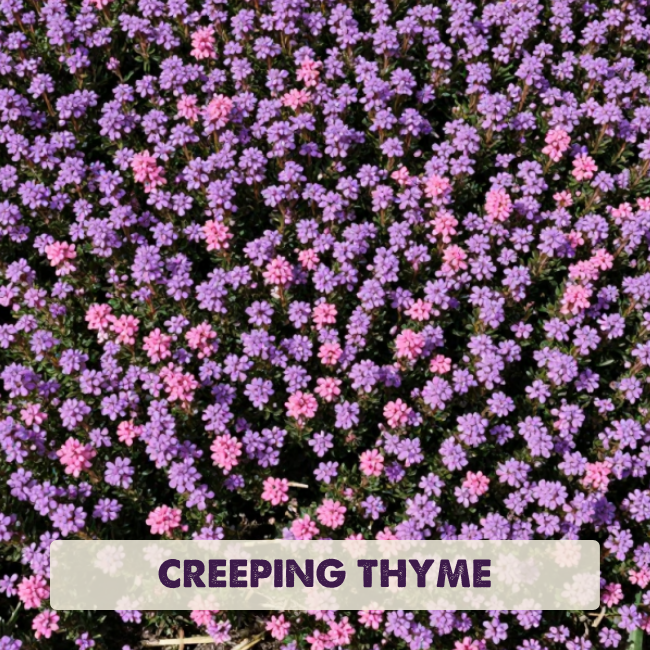
- Creeping thyme (stepable and smells amazing)
- Barrenwort
- Hardy geraniums
- Sedum
If you want a kid friendly lawn, you can do a mix of both grass and lawn cover: keep a smaller patch of grass for playing and running, and cover the rest of the lawn with groundcovers. You can slowly take away the grass and add more low-maintenance groundcovers as the kids get older and use that area less.
How to Convert an Existing Lawn to Groundcover
You don’t have to rip everything out at once. Start with one problem area first.
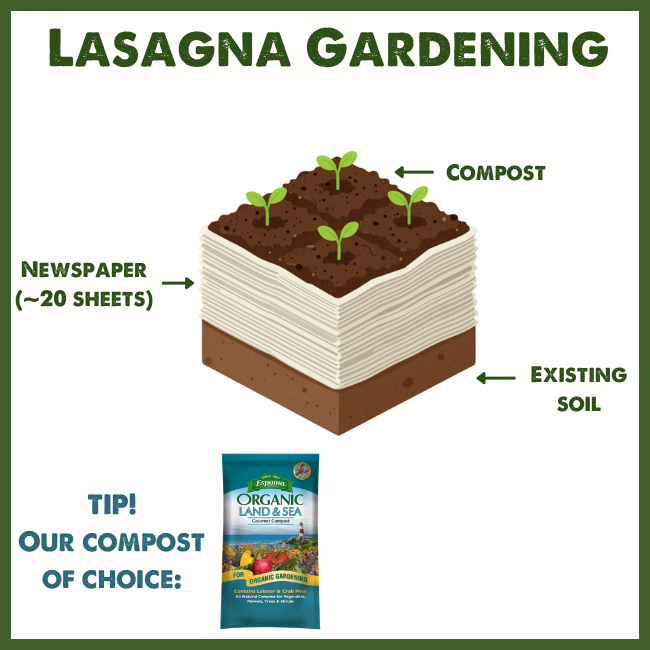
The easiest way is called lasagna gardening or sheet mulching:
- Mow/cut the turf as low as you can
- Lay down about 20 sheets of plain newspapers, overlapping the edges
- Wet it down so it doesn’t blow away
- Cover it all with a thick layer of Espoma Organic Land & Sea Gourmet Compost. It has the right mix to help seeds sprout and plugs take root
Let it sit for a season. By spring, you’ll have a rich and plantable soil.
Other methods aside from lasagna gardening:
- You can rent a machine that cuts and rolls up sod to get rid of it.
- You can dig up and flip the sod, or you can till it under, but this is hard work and can bring weed seeds that are already buried to the surface.
Planting Groundcovers: Seed vs Plugs
There are two main ways to plant your plants once you’ve picked them out: seeds or plugs (small plants).
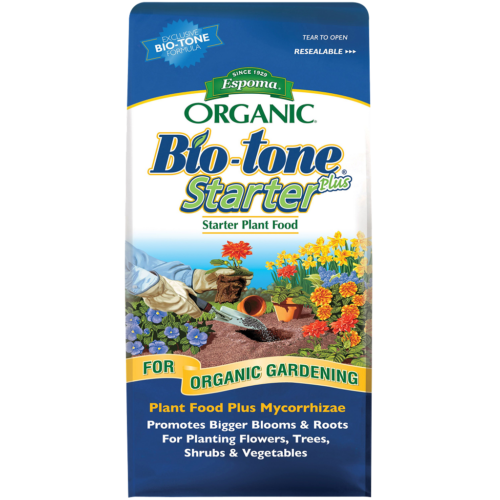
Plugs are faster and better for slopes where you need roots to grow quickly. Space them 6-12 inches apart and use Espoma Organic Bio-tone Starter Plus in each planting hole. It has mycorrhizae that help roots establish faster and reduce transplant shock.
Seed is more affordable and gives you a wider variety of choices. Mix the seed with sand so that it spreads evenly, water it regularly, and after a few weeks, come back and reseed any areas that are too thin.
While the plugs fill in, cover the bare ground between them with shredded leaves or pine needles to keep weeds from growing and stop erosion.
Common Groundcover Mistakes to Avoid
- Don’t plant sun-loving groudcover in full shade (or vice versa)
- Don’t expect overnight results; most groundcovers spend their first year building roots underground before they spread
- Don’t skip the mulch between plugs because bare soil = weeds
- Before planting, make sure the soil is not too compacted or depleted
If you start your groundcover off right, it will reward you with years of beauty that doesn’t need much care!
To learn more, listen to the full Growing Joy podcast episode
Learn more about Growing Joy with Maria:
🪴🌿 Website
🪴🌿 YouTube
Featured Products: